Choosing The Right Multi Tester Or Process Meter
- Pick Fluke 289 True-RMS Logging Multimeter if you need advanced data logging and trend analysis.
- Choose Fluke 789 ProcessMeter when precise current sourcing and simulation are critical for your work.
- Go with Fluke 289 for detailed voltage and frequency measurements with graphical data support.
- Prefer Fluke 789 if you require built-in loop supply and standard DMM features in one device.
- Fluke 289 makes more sense for troubleshooting complex electrical systems with noisy signals.
- Fluke 789 is the safer bet for process control tasks involving 4-20 mA signal handling.
Does The Fluke 289 True-rms Logging Multimeter Handle Complex Electrical Troubleshooting Well?
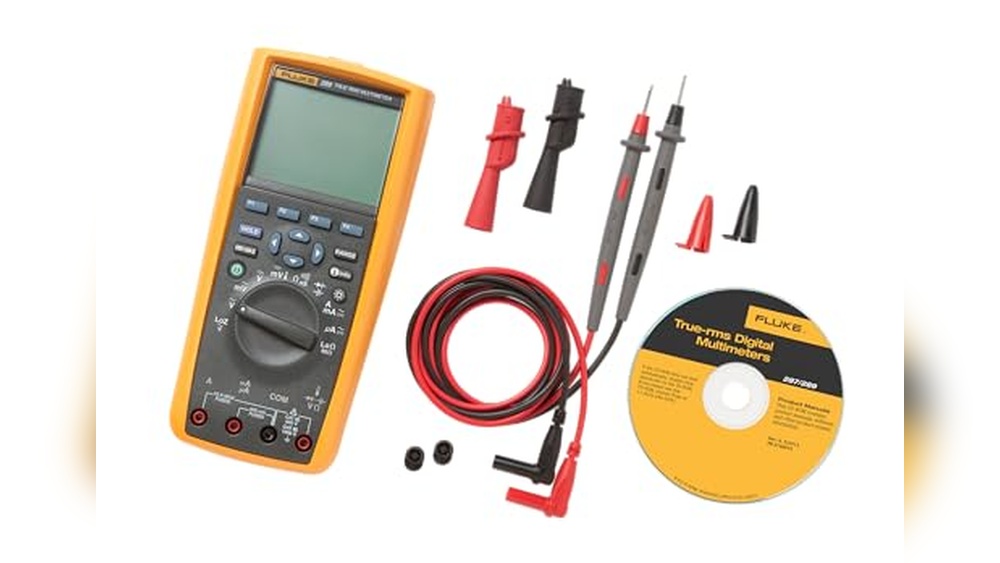
Yes, it does. This meter is designed for advanced logging and analysis. It offers TrendCapture for graphical logged data review and selectable AC filters for steady readings. The large, bright display helps during detailed inspections of fluctuating signals. Using it daily, I find the data logging feature particularly helpful. It lets me share results remotely and catch intermittent issues quickly. The low pass filter reduces ghost voltages, which often mislead troubleshooting. It feels robust and reliable for extended site work.
Key strengths in electrical system diagnostics
- Advanced data logging with TrendCapture graphical display.
- Selectable AC filter for stable readings in noisy environments.
- Low Pass filter to reduce false voltage readings.
- Large 50,000 count display with white backlight.
- Measures up to 10 A continuous, 20 A short bursts.
- ShareLive video call feature for remote collaboration.
Important considerations before choosing
- Requires separate wireless connector for ShareLive feature.
- Larger size and weight may be less convenient for portable use.
- Price point is higher compared to simpler meters.
- More suited for multi-tester category, less for process signals.
A practical choice for detailed electrical analysis
In my experience, this meter suits technicians who need more than basic voltage checks. It removes the stress of missing transient faults by logging trends automatically. Beginners may find the interface detailed but manageable, while experienced users benefit from advanced filters. One tip is to familiarize yourself with the TrendCapture zoom feature to analyze data precisely. This device offers peace of mind when diagnosing complex electrical systems.Is The Fluke 789 Processmeter Ideal For Process Signal Measurement And Simulation?
It depends on your application. The Fluke 789 combines standard digital multimeter functions with process signal sourcing and simulation. It includes a built-in 24 V loop supply and can source 4-20 mA signals, which is essential for process control tasks. Its overload protection and clear backlit LCD make it reliable for field use. I have used it for troubleshooting control loops and find its sourcing capability invaluable. The battery life supports extended work sessions without frequent changes. The meter’s compact size and focused features make it practical for technicians who handle instrumentation regularly.
Strengths in process measurement and simulation
- Measures and sources 4-20 mA process signals accurately.
- Built-in 24 V loop supply for process control testing.
- 1000V overload protection with fused inputs.
- Clear, backlit LCD for easy readings.
- Runs long on a single 9V alkaline battery.
What to keep in mind before purchase
- Less suited for detailed logging or graphical trend analysis.
- Smaller display compared to multi testers.
- Focused more on process control than general electrical testing.
Best pick for control loop and signal work
I find this meter ideal for technicians focused on process instrumentation. It takes away the worry of lacking sourcing capabilities during calibration. Beginners can quickly grasp its functions, while experienced users appreciate its dedicated features. My tip is to regularly check the battery to avoid interruptions in long tests. This meter brings confidence in managing control signals effectively.Key Questions To Decide Between Fluke 289 And 789
Which meter offers the logging features needed for advanced troubleshooting? How important is current sourcing and simulation in your daily tasks? Do you need graphical trend displays or clear numeric readings? Are you working mostly with process control loops or general electrical systems? What size and weight considerations matter for your fieldwork? Do you require wireless sharing of results during collaboration?Comparing Multi Tester And Processmeter For Practical Use
The comparison focuses on how each device performs in specific electrical and process tasks. Usability during field diagnostics and signal simulation are key factors. Battery life and display clarity also influence daily convenience. Each device suits a distinct professional role based on these attributes.Which meter suits logging and data analysis needs better?
The Fluke 289 offers advanced data logging and graphical trend capture. The 789 lacks this but focuses on signal sourcing.| Metric | Fluke 289 Logging Multimeter | Fluke 789 ProcessMeter |
|---|---|---|
| Data Logging | Yes, with TrendCapture | No |
| Graphical Display | Yes, zoom up to 14x | No |
| ShareLive Video Call | Available (requires accessory) | No |
| Display Size | Large 1/4 VGA | Smaller LCD |
So what? Choose the 289 if data logging and remote sharing are priorities.
How do these meters compare in current sourcing and simulation?
The Fluke 789 excels with built-in sourcing and 24 V loop supply. The 289 does not provide these.| Decision point | Fluke 289 Logging Multimeter | Fluke 789 ProcessMeter |
|---|---|---|
| 4-20 mA Signal Sourcing | No | Yes, up to 30 mA DC |
| Built-in Loop Supply | No | 24 V built-in |
| Measurement with Sourcing | No | Runs ~12 hours sourcing |
| Overload Protection | Standard | 1000V on V/Ohms, fused |
So what? Opt for the 789 if sourcing and simulation are essential.
Which device is more portable and battery efficient?
The 789 is lighter with longer typical battery life. The 289 is heavier due to larger display and logging functions.| Use case | Fluke 289 Logging Multimeter | Fluke 789 ProcessMeter |
|---|---|---|
| Weight | 2.2 pounds | 1.34 pounds |
| Dimensions (HxWxL) | 3.46×16.0x11.54 in | 2.99×15.2×9.02 in |
| Battery Life | Standard, no detailed info | ~50 hrs measurement |
| Portability | Bulkier | Compact |
So what? The 789 is better for on-the-go tasks requiring long battery life.
How do displays and user interfaces compare?
The 289’s larger, high-count display is suited for complex readings. The 789 offers a clear but smaller LCD.| Metric | Fluke 289 Logging Multimeter | Fluke 789 ProcessMeter |
|---|---|---|
| Display Type | 1/4 VGA with backlight | Clear LCD with backlight |
| Readability | High due to size and count | Good but smaller |
| Information Shown | Graphical and numeric | Numeric only |
| User Interface | Feature-rich menus | Simple, focused |
So what? For detailed data viewing, the 289 display is preferable.
Which meter is better for noisy signal environments?
The 289’s selectable AC filter and low pass filter reduce noise impact. The 789 is less focused on noise filtering.| Decision point | Fluke 289 Logging Multimeter | Fluke 789 ProcessMeter |
|---|---|---|
| Noise Filtering | Selectable AC and Low Pass filters | Standard filtering |
| Ghost Voltage Elimination | LoZ voltage function included | No |
| Steadier Readings | Yes, smoothing mode | No |
| Application | Adjustable speed motor drives | General use |
So what? The 289 is preferable when working with noisy or complex electrical signals.
Final Thoughts On Selecting The Right Tester For Your Electrical Needs
The Fluke 289 is best for those who need detailed logging, advanced filtering, and remote sharing. It suits electricians and engineers tackling complex or noisy systems requiring data analysis. The Fluke 789 fits users focused on process control, needing current sourcing and signal simulation. It benefits technicians working with 4-20 mA loops and control calibration. When in doubt, consider which features you rely on daily—logging or sourcing—and choose accordingly. Both tools are reliable; the right choice depends on your specific measurement tasks.Frequently Asked Questions About Fluke 289 Vs 789
Can the Fluke 289 simulate 4-20 mA signals like the 789?
No, the Fluke 289 does not provide signal sourcing or simulation. The 789 is designed for that purpose with built-in loop supply.
Is the Fluke 789 suitable for logging and trend analysis?
The 789 lacks advanced data logging and graphical trend capture. The 289 is better suited for these functions.
Do both meters have overload protection?
Yes, both have overload protections, but the 789 includes a fused input for higher safety, especially on current ranges.
Which meter is easier for beginners to use?
The Fluke 789 has a simpler interface focused on process tasks, making it easier for beginners in process measurement. The 289 has more features which may require some learning.
Can I share results remotely with both meters?
Only the Fluke 289 supports ShareLive video calls for sharing results, but it requires an additional wireless connector and app.
How long do the batteries last on these meters?
The Fluke 789 offers about 50 hours of typical measurement time on one 9V battery. Battery life for the 289 is standard but not explicitly stated.
Is the weight difference significant for fieldwork?
The 789 is lighter and more compact, which can be better for portability. The 289 is bulkier due to its larger display and logging hardware.

I’m Asif Ur Rahman Adib, an Electrical Engineer and lecturer. My journey began in the lab, watching students struggle with instruments they used every day without fully understanding them. Over time, I’ve combined teaching, research, and hands-on experience to help others grasp electrical concepts clearly, safely, and practically—whether it’s understanding a circuit or mastering a multimeter.