How To Decide Between Fluke 28ii And 87v For Your Testing Needs
- Pick Fluke 28Ii if you need a highly rugged meter for harsh environments.
- Choose 87V when you want advanced troubleshooting features and versatility.
- Go with Fluke 28Ii for a clearer display with high resolution counts.
- Prefer 87V if you work frequently with adjustable speed drives and complex signals.
- Fluke 28Ii makes more sense for outdoor or industrial fieldwork with low lighting.
- 87V is the safer bet for detailed electrical diagnostics and temperature measurements.
Is The Fluke 28ii Rugged Digital Multimeter Built For Tough Fieldwork?
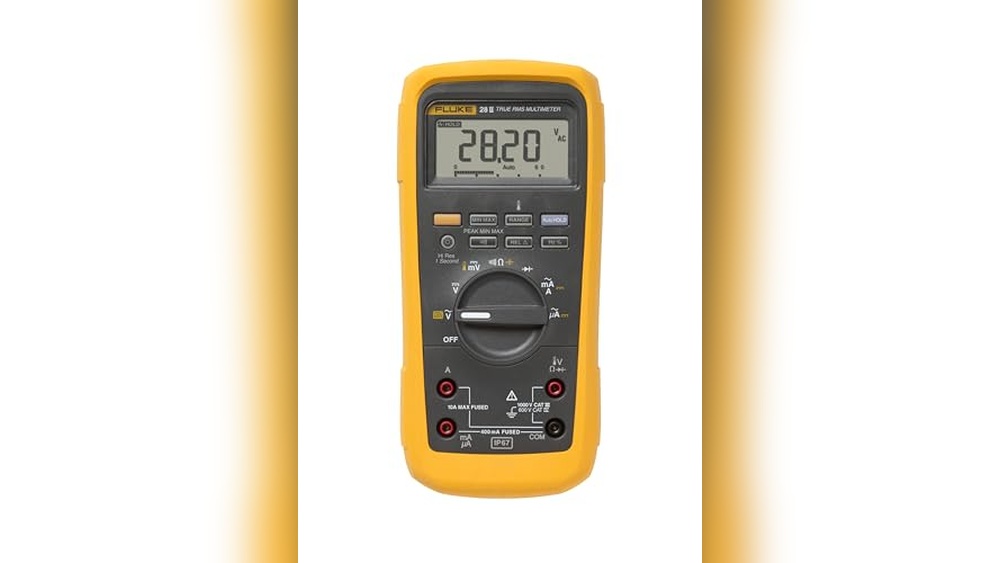
Yes, the Fluke 28Ii is designed for durability in demanding conditions. It features a rugged housing and a backlit keypad for low-light visibility. The unit comes with a NIST-traceable calibration certificate ensuring accuracy from day one. Its high-resolution display helps detect fine changes in readings, valuable for precise measurements. In daily use, I found it reliable when working outdoors or in challenging environments. The bright yellow color and sturdy build give confidence it can handle rough handling. The true-rms capability means measurements stay accurate on complex signals. This multimeter feels like a solid companion for professionals needing dependable performance every day. .ap-btn{ transition:transform .15s ease, filter .15s ease; } .ap-btn:hover{ transform:translateY(-1px); filter:brightness(.95); }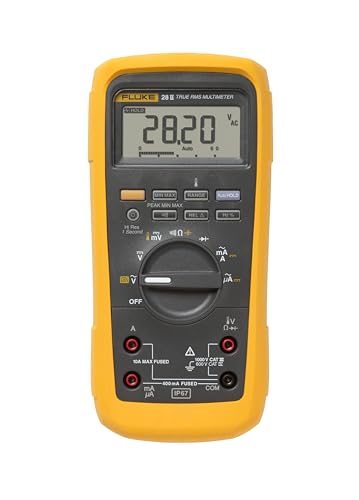
Strengths in rugged testing situations
- Calibrated with NIST-traceable certificate for trusted accuracy
- High resolution 20,000 count display for fine measurement detail
- True-RMS AC voltage and current for non-linear signals
- Backlit keypad buttons improve visibility in dark or cramped spaces
- Compact size and lightweight for easy portability
Considerations before choosing this model
- Larger size compared to some handheld meters may limit pocket carry
- No included temperature probe or alligator clips in basic package
- Less suited for advanced electronic troubleshooting features
Reliable choice for field techs and outdoor professionals
This multimeter suits those who work in rugged environments where tool durability matters most. It removes stress about damaging your meter or missing readings in poor lighting. Beginners will appreciate its straightforward interface, while experienced users get accurate core functions. In my experience, the Fluke 28Ii stands up well to daily wear and tear.
A practical tip is to keep it charged and ready with fresh calibration paperwork. The peace of mind from known accuracy and tough design lets you focus on the work, not the tool.
Does The Fluke 87v Meet The Needs Of Advanced Electrical Troubleshooting?
It depends on your requirements, but the Fluke 87V excels in detailed diagnostics. It includes a low-pass filter for accurate frequency readings on adjustable speed drives. Peak capture helps catch brief signal changes quickly. Its switchable resolution offers flexibility to detect subtle measurement shifts, supporting complex troubleshooting tasks. I find this meter useful in workshops or industrial settings where varied measurements are frequent. The included temperature probe and test leads add convenience. It feels more feature-rich, accommodating both routine checks and in-depth analysis. The slightly larger size is balanced by the enhanced functionality it offers.
Key capabilities for professional troubleshooting
- Low-pass filter for accurate frequency measurements on adjustable speed drives
- Peak capture feature records fast intermittent signals
- Switchable display resolution from 6,000 to 20,000 counts
- CAT III 1000V, CAT IV 600V safety ratings for industrial use
- Includes TL75 test leads, AC175 alligator clips, and 80BK temperature probe
Points to keep in mind before selecting
- Higher weight and size could affect handheld comfort over long periods
- More features can mean a learning curve for beginners
- Price is higher than basic models due to added capabilities
Best fit for those needing advanced functions in varied environments
The 87V suits technicians who require a versatile meter for complex electrical systems. It eases stress by capturing quick signal changes others might miss. Beginners may need some time to get used to its features, while experts will benefit from the depth. I recommend ensuring you use the included probes properly for best results.
In my experience, this meter delivers peace of mind when troubleshooting tricky electrical issues, with solid safety ratings for industrial sites.
Questions That Help You Choose The Right Digital Multimeter
Do you mostly work outdoors or in rough conditions requiring a durable tool? How important is advanced troubleshooting versus straightforward measurements? Will you need to measure fast signal changes or frequencies on variable speed drives? Are you looking for included accessories like temperature probes and alligator clips? How much does the device weight and size affect your daily comfort? Do you need a meter with the highest resolution for subtle reading differences?Comparing Ruggedness, Features, And Usability In Daily Electrical Work
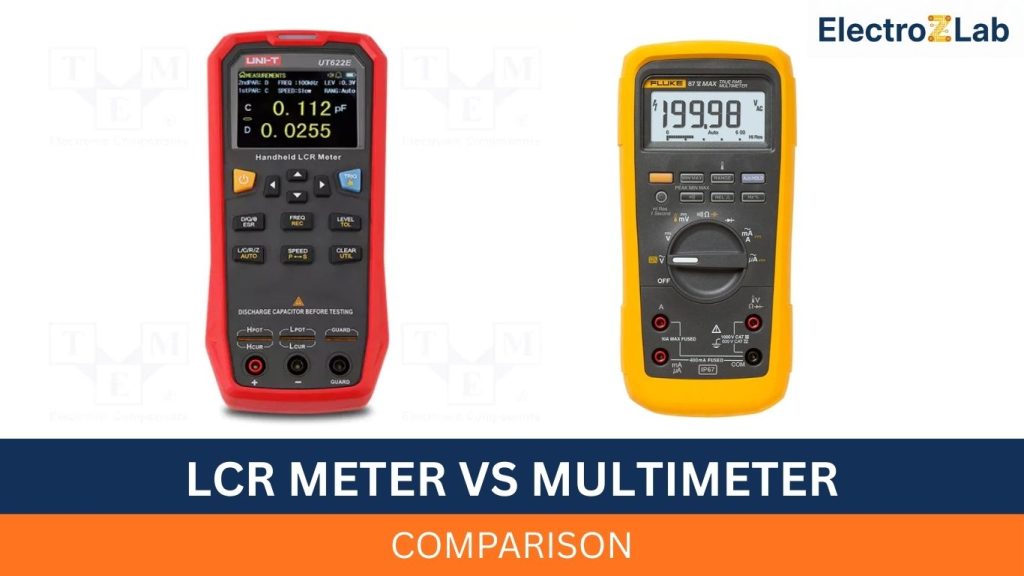
Both meters offer true RMS measurements and are suited for professional use. The Fluke 28Ii focuses on ruggedness and visibility in tough environments. The 87V emphasizes advanced functions and accessory inclusions. Daily use shows the 28Ii fits fieldwork well, while the 87V shines in complex troubleshooting.Which meter handles harsh environments better?
The 28Ii is designed with rugged housing and backlit keys for low-light use. The 87V is sturdy but heavier and more complex. Consider if you need lightweight durability or more features with moderate robustness.| Metric | Fluke 28Ii | Fluke 87V |
|---|---|---|
| Durability | Highly rugged, ideal for fieldwork | Robust but heavier |
| Visibility | Backlit keypad for dark areas | Standard display lighting |
| Weight | 0.66 pounds | 1.3 pounds |
| Size | 6x12x3 inches | 6.5×9.49×3.5 inches |
How do their measurement features compare for troubleshooting?
The 87V offers a low-pass filter and peak capture for detailed signal analysis. The 28Ii covers essential true RMS readings with high resolution but fewer advanced features. This affects the depth of diagnostics you can perform.| Decision point | Fluke 28Ii | Fluke 87V |
|---|---|---|
| Low-pass filter | Not included | Included for frequency accuracy |
| Peak capture | No | Yes, captures fast signals |
| Display resolution | 20,000 counts fixed | Switchable 6,000 to 20,000 counts |
| Included probes | None | Test leads and temperature probe |
What about safety ratings and industrial suitability?
The 87V has CAT III 1000V and CAT IV 600V ratings, making it safer for high-risk industrial environments. The 28Ii, while rugged, does not specify these ratings. This is crucial for users working on high-voltage or industrial systems.| Use case | Fluke 28Ii | Fluke 87V |
|---|---|---|
| High voltage safety | Standard industrial use | CAT III 1000V, CAT IV 600V rated |
| Industrial troubleshooting | Good | Excellent with advanced filters |
| Field inspections | Designed for rugged use | Heavier but comprehensive |
How do size and weight affect daily handling?
The 28Ii is lighter and longer, which may aid in portability. The 87V is bulkier and heavier, possibly tiring for long handheld use but balanced by added features.| Metric | Fluke 28Ii | Fluke 87V |
|---|---|---|
| Weight | 0.66 pounds | 1.3 pounds |
| Length | 12 inches | 9.49 inches |
| Width | 6 inches | 6.5 inches |
| Height | 3 inches | 3.5 inches |
Choosing The Right Digital Multimeter For Your Daily Needs
If you mostly work outdoors or in rough environments, the Fluke 28Ii is a practical choice. It balances ruggedness, clarity, and accuracy without extra complexity. Field technicians and maintenance workers will find it straightforward and dependable.
On the other hand, if your work involves complex troubleshooting, measuring fast signal changes, or you want included accessories, the Fluke 87V fits better. It suits experienced users who need advanced features and safety certifications for industrial settings.
When in doubt, consider whether durability or functionality is your priority. Both models perform well, so your work context should guide the decision confidently.
Frequently Asked Questions About Fluke 28ii Vs 87v Multimeters
Which model is easier for beginners to use?
The Fluke 28Ii is more straightforward with fewer advanced features, making it easier to learn for beginners. The 87V has more functions that may require time to master.
Can both meters handle measurements on non-linear signals accurately?
Yes, both have true-RMS measurement capability for accurate AC voltage and current readings on non-linear signals.
Do I need the included temperature probe in the 87V?
The temperature probe is useful if you measure thermal conditions regularly. If not, the 28Ii’s simpler package might suffice.
How important is the safety rating difference between these meters?
The 87V has higher safety ratings (CAT III 1000V, CAT IV 600V), which are important for industrial and high-voltage work. The 28Ii is suitable for general rugged use but lacks these specific ratings.
How does the size and weight impact daily use?
The 28Ii is lighter and longer, which may be more comfortable for handheld use over time. The 87V is heavier but offers more functions, so consider your usage style.
Is the calibration certificate included with both models?
The Fluke 28Ii comes with a NIST-traceable calibration certificate, ensuring accuracy from purchase. The 87V is factory calibrated but may not always include this certificate.

I’m Asif Ur Rahman Adib, an Electrical Engineer and lecturer. My journey began in the lab, watching students struggle with instruments they used every day without fully understanding them. Over time, I’ve combined teaching, research, and hands-on experience to help others grasp electrical concepts clearly, safely, and practically—whether it’s understanding a circuit or mastering a multimeter.