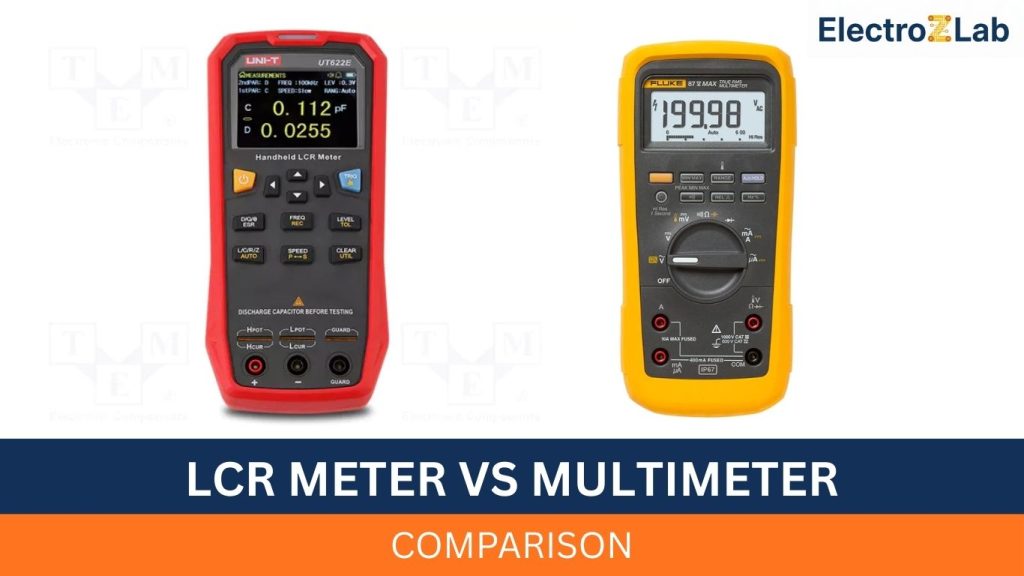
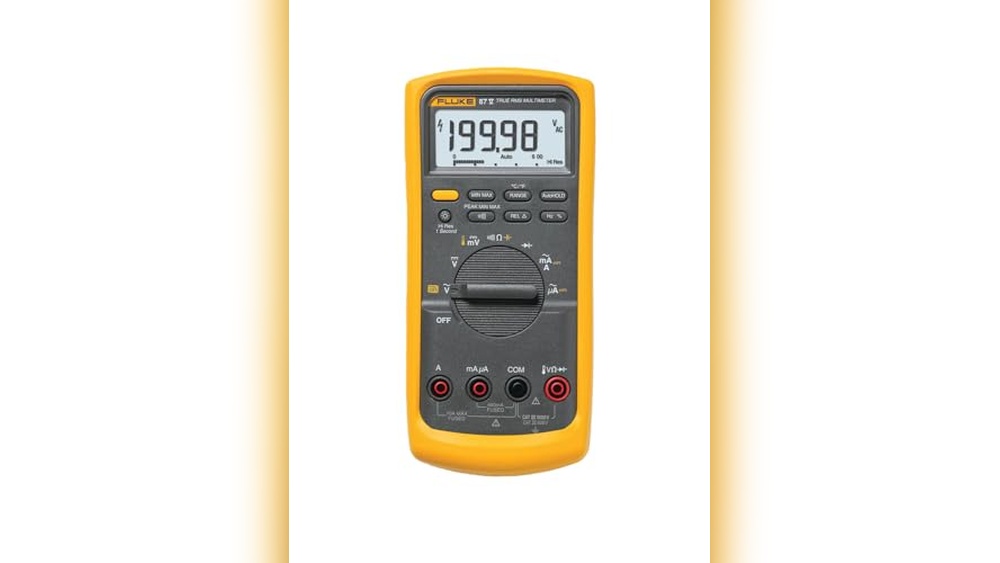
The Fluke 87V and the Fluke 87V Max are both reliable digital multimeters designed for industrial and advanced troubleshooting use. They offer many similar functions but differ in durability and environmental resistance. The main difference lies in the ruggedness and protection features of the 87V Max.
After reading, you will understand which multimeter fits your daily needs better based on use and environment.
Choosing Between Two Industrial Multimeters
- Choose the Fluke 87V when you need precise frequency measurement and advanced filtering for adjustable speed drives.
- Pick the Fluke 87V Max if you work in wet, dusty, or harsh environments requiring waterproof and drop-resistant tools.
- Select the Fluke 87V for standard industrial tasks with reliable accuracy and detailed measurement options.
- Opt for the Fluke 87V Max for extended battery life and enhanced durability on demanding job sites.
- Consider the Fluke 87V Max when built-in thermometer and upgraded test leads are useful for your work.
How These Multimeters Perform In Everyday Use
The Fluke 87V is straightforward to use with clear readings and useful features like a low-pass filter. It suits routine industrial troubleshooting and electrical maintenance well. Its size and weight feel balanced for handheld use throughout the day.
The Fluke 87V Max adds peace of mind with its rugged design, handling drops and exposure better. I found its waterproof rating beneficial when working outdoors or in challenging conditions. The longer battery life also reduces interruptions during long shifts.
Quick Look At The Fluke 87v Industrial Multimeter

Where the Fluke 87V Fits Best
- Ideal for industrial troubleshooting with advanced measurement features.
- Good for technicians needing accurate frequency readings on speed drives.
- Suitable for indoor and controlled environment use.
- Preferred when detailed peak capture and low-pass filtering are required.
Where the Fluke 87V Has Limitations
- Not waterproof or dustproof, limiting use in harsh outdoor conditions.
- Less durable against drops compared to the 87V Max.
At A Glance: Fluke 87v Max Rugged Multimeter

Where the Fluke 87V Max Excels
- Built for tough environments with IP67 waterproof and dustproof rating.
- Can withstand drops up to 13 feet, suitable for rugged job sites.
- Long battery life reduces downtime during extended use.
- Includes upgraded test leads and built-in thermometer for added functionality.
Where the Fluke 87V Max Faces Tradeoffs
- Larger size and weight may be less convenient for handheld tasks.
- More expensive and potentially more than needed for controlled environments.
Comparing Performance And Durability In The Field
I compared these two multimeters in real work settings focusing on measurement accuracy, durability, and ease of use. Both performed well in standard measurements. The difference became clear when testing in harsher environments and longer shifts.
How Do They Handle Tough Job Conditions?
Durability is essential for fieldwork. The 87V Max offers better protection against water, dust, and drops. The 87V, while solid, is more suited for clean, indoor environments.
| Aspect | Fluke 87V | Fluke 87V Max |
|---|---|---|
| Water Resistance | None | IP67 Waterproof |
| Drop Resistance | Standard | Up to 13 feet |
| Dust Protection | None | Fully dustproof |
| Weight | 1.3 pounds | 1.54 pounds |
Ratings: Fluke 87V – 7/10 | Fluke 87V Max – 8/10
Edge: The 87V Max suits those needing ruggedness, while the 87V fits controlled environments better.
Which Offers More Useful Measurement Features?
Both multimeters provide accurate true-RMS measurements and peak capture. The 87V includes a low-pass filter for frequency measurements on adjustable speed drives. The 87V Max includes all these plus upgraded test leads and a built-in thermometer.
| Aspect | Fluke 87V | Fluke 87V Max |
|---|---|---|
| Low-Pass Filter | Yes | Yes |
| Peak Capture Speed | 250 µS | Same |
| Built-in Thermometer | No | Yes |
| Test Leads Included | TL75 with Alligator Clips | Upgraded TL175 |
Ratings: Fluke 87V – 8/10 | Fluke 87V Max – 8/10
Edge: Both offer strong measurement features; the Max adds convenience with a thermometer.
How Does Battery Life Affect Work?
The 87V Max has a notably longer battery life, supporting up to 800 hours. The 87V operates well but doesn’t offer the same extended runtime, which can be important during long jobs without easy charging access.
| Aspect | Fluke 87V | Fluke 87V Max |
|---|---|---|
| Battery Runtime | Standard | Up to 800 hours |
| Charging Needs | More frequent | Less frequent |
Ratings: Fluke 87V – 6/10 | Fluke 87V Max – 9/10
Edge: The 87V Max is better for long shifts due to superior battery life.
How Do Size and Weight Impact Portability?
The 87V is more compact and lighter, which makes it easier to carry and handle for extended periods. The 87V Max is bulkier and heavier, trading portability for durability and battery life.
| Aspect | Fluke 87V | Fluke 87V Max |
|---|---|---|
| Weight | 1.3 pounds | 1.54 pounds |
| Size | Smaller footprint | Larger footprint |
| Ease of Handling | More comfortable for handheld use | Less convenient for long handheld tasks |
Ratings: Fluke 87V – 8/10 | Fluke 87V Max – 6/10
Edge: The 87V suits users valuing portability, while the 87V Max prioritizes ruggedness over size.
Long-term Use And Reliability Insights
Both multimeters have a straightforward learning curve for users familiar with industrial testers. The consistent interface helps maintain efficiency during extended use. Trust in Fluke’s brand adds confidence that these meters will perform reliably over time.
The 87V Max provides extra peace of mind with its rugged build, reducing worries about accidental damage. Its durability can be a deciding factor for users working in unpredictable environments. The 87V remains a solid choice for those in less demanding settings.
Deciding Which Fluke Multimeter Matches Your Needs
The Fluke 87V is suitable for professionals who need precise measurements and advanced features without extra ruggedness. It fits well in controlled, indoor environments where portability and filtering capabilities matter.
The Fluke 87V Max is better for users exposed to harsh conditions. Its waterproof, dustproof, and drop-resistant design, combined with longer battery life, makes it a practical choice for tough job sites.
Both models provide reliable performance; choosing depends on your work environment and durability requirements.
Common Questions About Fluke 87v Vs 87v Max
Is the Fluke 87V Max waterproof?
Yes, the 87V Max has an IP67 rating, making it waterproof and dustproof. This allows use in wet and dusty conditions without worry.
Do both multimeters have the same measurement accuracy?
Both offer true-RMS accuracy and similar measurement functions. The 87V Max includes all features of the 87V with added durability.
Which multimeter is better for outdoor use?
The 87V Max is better suited for outdoor use due to its rugged design and waterproof capabilities. The 87V lacks these protections.
Are the test leads the same for both models?
No, the 87V comes with TL75 test leads and alligator clips, while the 87V Max includes upgraded TL175 test leads for improved durability.
How does battery life compare between these two multimeters?
The 87V Max offers significantly longer battery life, up to 800 hours, which helps during long shifts. The 87V has standard battery life.
Is the Fluke 87V Max heavier than the 87V?
Yes, the 87V Max is slightly heavier and larger, which is a tradeoff for its ruggedness and extended battery life.
Can the Fluke 87V measure frequency on adjustable speed drives?
Yes, the 87V has a low-pass filter specifically designed for accurate frequency measurements on adjustable speed drives.

I’m Asif Ur Rahman Adib, an Electrical Engineer and lecturer. My journey began in the lab, watching students struggle with instruments they used every day without fully understanding them. Over time, I’ve combined teaching, research, and hands-on experience to help others grasp electrical concepts clearly, safely, and practically—whether it’s understanding a circuit or mastering a multimeter.