When it comes to choosing reliable test and measurement tools, you want to make sure you pick the best. Keysight and Fluke are two big names you’ve probably heard of, but which one truly fits your needs?
Whether you’re a professional technician or just someone who values precision, understanding the key differences between these brands can save you time, money, and frustration. You’ll discover what sets Keysight and Fluke apart, helping you make a confident choice that matches your goals perfectly.
Keep reading to find out which brand will power your success.

Credit: www.youtube.com
Brand Histories
Understanding the history of Keysight and Fluke helps us see why these brands matter. Both have deep roots in the test and measurement industry. Their past shapes their reputation and the products they offer today.
Exploring their brand stories shows how each became a trusted name. It reveals their focus on quality, innovation, and customer needs.
Keysight’s Background
Keysight was born from a split with Agilent Technologies in 2014. Agilent itself came from Hewlett-Packard, a tech giant known since 1939. Keysight took the test and measurement part of Agilent’s business. It quickly grew into a leader in electronic test equipment.
Keysight focuses on advanced tools for engineers and technicians. Their products serve industries like telecommunications, aerospace, and automotive. The brand aims to help customers solve complex problems with precision.
Fluke’s Legacy
Fluke started in 1948 with a clear goal: build reliable electrical testing tools. The company gained trust by making rugged, easy-to-use instruments. Its products became essential for electricians and technicians worldwide.
Fluke’s legacy is about durability and accuracy. It expanded from simple meters to a wide range of diagnostic devices. The brand still leads in handheld test tools and preventive maintenance equipment.
Product Range
Choosing the right testing tools matters a lot for engineers and technicians. Both Keysight and Fluke offer a wide range of products. Each brand serves different needs across various industries.
Understanding their product range helps pick the best fit. Let’s explore what each company provides in their lineup.
Keysight’s Testing Tools
Keysight focuses on high-tech electronic test instruments. Their products include oscilloscopes, signal analyzers, and network analyzers. These tools suit advanced research and development tasks. Keysight also offers software for test automation and data analysis. Their tools support wireless, aerospace, and semiconductor industries. They provide precision and detailed measurement capabilities. Keysight’s range is ideal for complex electronic testing.
Fluke’s Testing Equipment
Fluke specializes in handheld electronic testers and meters. Their products include multimeters, clamp meters, and infrared thermometers. These are perfect for fieldwork and maintenance checks. Fluke tools are rugged and easy to use. They focus on electrical, HVAC, and industrial sectors. Fluke also offers calibration devices and power quality analyzers. Their equipment emphasizes reliability and safety. Fluke’s product range suits everyday electrical testing needs.
Accuracy And Precision
Accuracy and precision are crucial in test and measurement tools. They determine how close a measurement is to the true value and how consistent repeated measurements are. Both Keysight and Fluke offer instruments known for reliability, but differences exist in their accuracy and precision levels. Understanding these differences helps choose the right tool for specific tasks.
Measurement Reliability
Measurement reliability means getting the same result repeatedly under the same conditions. Keysight devices often focus on high-end lab and field testing, offering very stable readings. Fluke tools are known for rugged use in industrial settings, maintaining good reliability despite tough environments. Both brands ensure dependable results, but Keysight may provide finer detail in controlled setups.
Calibration Standards
Calibration ensures instruments measure correctly and stay accurate over time. Keysight follows strict calibration protocols traceable to national standards. Fluke also complies with recognized standards, often providing easy-to-use calibration procedures for field technicians. Regular calibration is essential for both brands to maintain precision and prevent measurement errors.
User Interface And Ease Of Use
User interface and ease of use play a big role in choosing test equipment. Both Keysight and Fluke design their tools to be user-friendly. Clear displays and simple controls help users work faster and with fewer errors. The software also matters for setting up tests and analyzing results.
Display And Controls
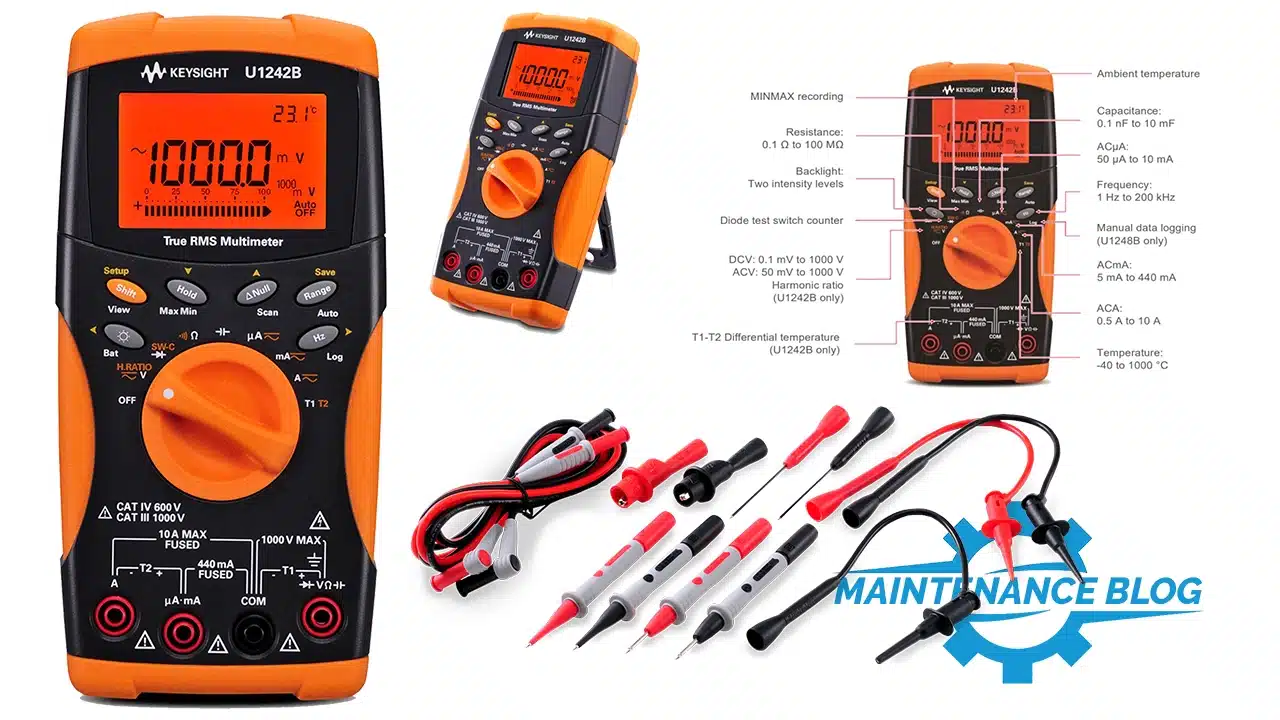
Keysight devices often feature large, bright screens. They show data clearly, even in bright light. The controls are usually touchscreens with physical buttons for quick access. This mix helps users switch between functions easily.
Fluke instruments focus on straightforward layouts. Their screens are easy to read with high contrast. Buttons are big and spaced well, making them good for use with gloves. This design suits field work and fast measurements.
Software Integration
Keysight offers software that connects smoothly with their instruments. This helps users set up tests from a computer. Data transfers quickly and can be analyzed with detailed tools. The software supports automation and advanced reporting.
Fluke provides software for basic data logging and reporting. It is simple to install and use. The focus is on reliability and quick access to test results. This software fits well for technicians who need fast, clear data.
Durability And Build Quality
Durability and build quality are key factors for tools used in tough environments. Both Keysight and Fluke design their products to last long and handle rough use. Understanding their strengths helps you pick the right tool for your needs.
Material And Design
Fluke tools often use rugged plastic and rubber to protect against drops. Their design includes thick casing and reinforced corners. Keysight also uses durable materials but focuses on sleek, ergonomic shapes. This makes their devices comfortable to hold and easy to use for long hours.
Fluke tends to prioritize maximum protection. Keysight balances durability with a modern look. Both brands provide solid builds that resist wear and tear well.
Environmental Resistance
Fluke products usually have high resistance to dust and water. Many models meet strict IP ratings, making them suitable for harsh job sites. Keysight devices also offer good protection but target controlled environments more.
Fluke tools often survive drops from higher heights without damage. Keysight focuses on precision and may need careful handling in extreme conditions. Each brand suits different work settings depending on exposure to dust, moisture, and impact.
Pricing And Value
Pricing and value play a big role in choosing between Keysight and Fluke. Both brands offer quality tools but differ in cost. Understanding their price points helps decide which tool fits your budget and needs. Value means more than just price. It includes durability, features, and support. Let’s explore how Keysight and Fluke compare in pricing and long-term investment.
Cost Comparison
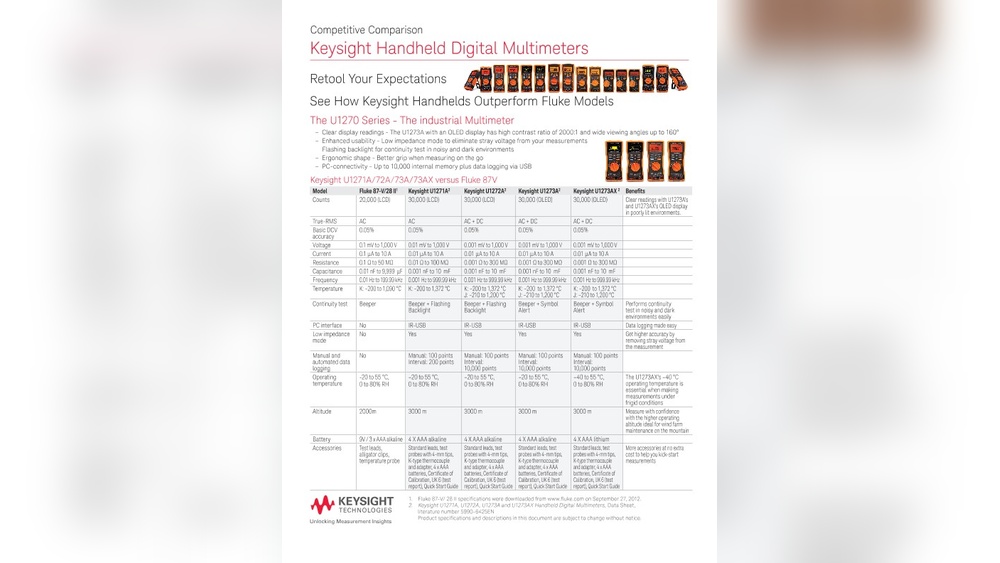
Fluke tools usually cost less than Keysight products. Fluke targets professionals and hobbyists who want reliable tools without high prices. Keysight often charges more, reflecting advanced features and precision. The price gap can be large, especially for high-end models. Basic Fluke meters may start around a few hundred dollars. Keysight’s entry models often begin higher. Costs rise with added functions and technology. Buyers get different options based on budget and needs.
Long-term Investment
Spending more upfront can save money later. Keysight tools offer strong build quality and precise measurements. They often last longer with less need for repairs. Fluke also provides durable tools, but some models may need replacement sooner. Warranty and customer service add value. Keysight generally offers extended warranties and support. Fluke’s service is good but varies by product. Consider total cost of ownership, not just purchase price. A tool that works well over time brings more value.
Customer Support And Warranty
Customer support and warranty play a key role in choosing test and measurement tools. They offer peace of mind and protect your investment. Both Keysight and Fluke provide solid support and warranty options. Understanding their differences can help you decide which brand suits your needs better.
Service Availability
Keysight offers global service centers and online help. Their support team responds quickly to technical questions. Fluke also provides worldwide service with fast response times. Both companies have phone and email support options. Availability of local service centers can vary by region. Check which brand has easier access to service near you.
Warranty Coverage
Keysight typically offers a one-year warranty on most products. This covers defects in materials and workmanship. Fluke usually provides a two-year warranty, sometimes longer on specific tools. Their warranties include repairs and part replacements. Both brands offer extended warranty plans for added protection. Review warranty terms carefully to understand what is covered.
Credit: maintenanceblog.com
Ideal Use Cases
Choosing between Keysight and Fluke depends on where and how you plan to use the tools. Both brands offer reliable products but serve different needs. Knowing the ideal use cases helps pick the right one for your work.
Industrial Applications
Fluke tools are strong in industrial environments. They handle tough conditions well, like dust, heat, and rough handling. Technicians use Fluke for troubleshooting machines and electrical systems. The devices provide fast, clear readings to fix problems quickly. Fluke’s durability makes it a favorite on factory floors and construction sites.
Keysight also fits some industrial tasks but focuses more on precision. It suits advanced testing in electronics manufacturing and network setup. Keysight instruments deliver detailed data for complex systems. This makes them useful for engineers working on new products or advanced repairs.
Laboratory Settings
Keysight excels in labs where accuracy matters most. Researchers and scientists use Keysight for detailed measurements. The tools support high-frequency tests and signal analysis. This helps in developing new technology and ensuring quality control.
Fluke is less common in labs but still useful for basic testing and maintenance. It offers reliable readings for everyday checks. Labs with heavy equipment often choose Fluke for quick troubleshooting. Keysight fits better when tests need exact data and advanced functions.

Credit: www.youtube.com
Frequently Asked Questions
What Are The Main Differences Between Keysight And Fluke?
Keysight focuses on high-precision test equipment for labs, while Fluke offers durable, user-friendly tools for fieldwork. Keysight excels in advanced electronics testing, and Fluke is preferred for maintenance and troubleshooting tasks.
Which Brand Offers Better Multimeters, Keysight Or Fluke?
Fluke multimeters are known for ruggedness and ease of use in various environments. Keysight multimeters provide higher accuracy, ideal for detailed electronic testing and research applications.
Are Keysight Products More Expensive Than Fluke Tools?
Yes, Keysight products typically cost more due to advanced features and precision. Fluke tools are priced competitively for industrial and field use, balancing quality and affordability.
Which Company Provides Better Customer Support, Keysight Or Fluke?
Both companies offer strong customer support, but Fluke has a wider global service network. Keysight provides specialized technical assistance, especially for complex test and measurement devices.
Conclusion
Choosing between Keysight and Fluke depends on your needs and budget. Both brands offer reliable tools for testing and measurement. Keysight suits those who want advanced features and precision. Fluke works well for users needing durability and ease of use.
Think about what matters most: price, features, or durability. Each brand has strengths that fit different tasks. Take your time to compare models carefully. This way, you get the best tool for your work. Simple, clear choices lead to smarter buys.

I’m Asif Ur Rahman Adib, an Electrical Engineer and lecturer. My journey began in the lab, watching students struggle with instruments they used every day without fully understanding them. Over time, I’ve combined teaching, research, and hands-on experience to help others grasp electrical concepts clearly, safely, and practically—whether it’s understanding a circuit or mastering a multimeter.