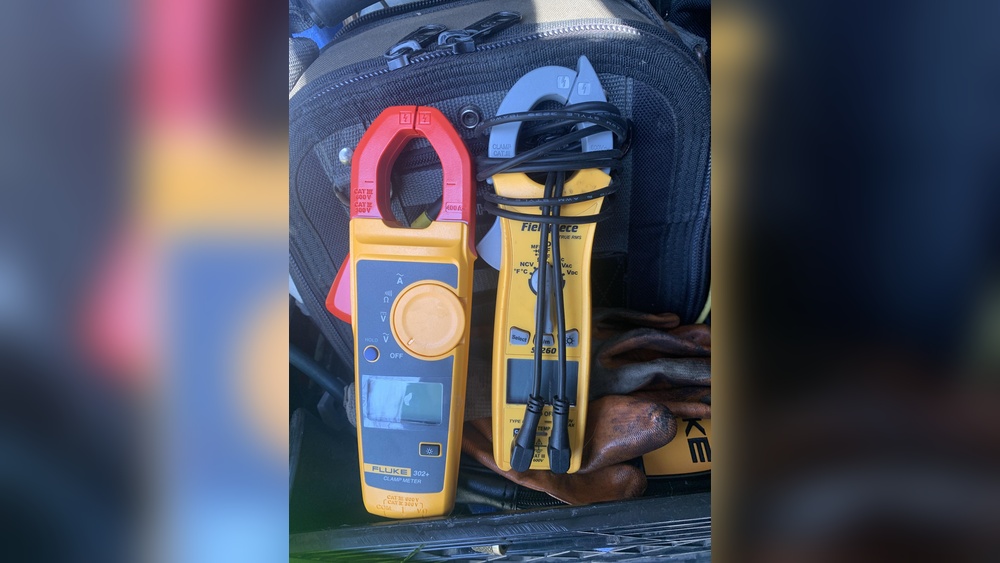
Choosing the right multimeter can make a huge difference in your work. Whether you’re an electrician, technician, or DIY enthusiast, you want a tool that’s reliable, accurate, and easy to use.
When it comes to Fluke vs Fieldpiece multimeters, the decision isn’t always clear. You might wonder which brand gives you the best value, features, and durability. This article will help you cut through the confusion and find the perfect multimeter for your needs.
Keep reading, and you’ll discover what sets these two brands apart and which one fits your toolbox best.
Brand Reputation
Brand reputation plays a big role in choosing the right multimeter. It shows how much users trust a company and its products. A strong reputation often means better quality and support. Let’s explore the reputations of Fluke and Fieldpiece.
Fluke’s Industry Standing
Fluke is a well-known name in the electrical and electronic testing world. It has served professionals for decades. Experts rely on Fluke for its accuracy and durability. The brand’s tools often appear on job sites and in labs. Many technicians say Fluke multimeters last a long time. This trust comes from consistent performance and solid build quality. Fluke also offers excellent customer support and training resources. This helps users solve problems quickly.
Fieldpiece’s Market Presence
Fieldpiece focuses mainly on HVAC and refrigeration professionals. It has grown steadily over the years. The brand earns praise for making easy-to-use, affordable tools. Fieldpiece’s multimeters often include features tailored to HVAC needs. Customers appreciate Fieldpiece for combining value with decent quality. The company invests in innovation to meet specific trade demands. Fieldpiece also maintains good customer service and warranties. This builds confidence among its core users.

Credit: www.reddit.com
Design And Durability
Design and durability are key factors for any multimeter. These tools need to handle tough job sites and daily use. Both Fluke and Fieldpiece offer strong options. Their design shows careful thought for real-world conditions. Each brand builds multimeters to last long and perform well.
Build Quality Comparison
Fluke multimeters use high-quality materials. They feature reinforced cases that resist drops and shocks. Their screens are clear and tough against scratches. Fieldpiece models also focus on durability. They use rugged plastic and rubber to protect internal parts. Both brands meet industry standards for safety and strength. Fluke tends to have a slightly heavier and more solid feel. Fieldpiece often balances durability with lighter weight.
Ergonomics And Portability
Fluke multimeters offer good grip and control. Their buttons and dials are easy to reach. This helps reduce hand fatigue during long work hours. Fieldpiece designs aim for comfort as well. Their tools are often slimmer and fit well in pockets. Portability is a strong point for Fieldpiece. Fluke models may feel bulkier but offer stable handling. Both brands consider user comfort without losing durability.
Measurement Accuracy
Measurement accuracy defines how close a multimeter’s reading is to the true value. It impacts the quality of your electrical tests. Accurate readings help avoid mistakes in repairs and installations. Both Fluke and Fieldpiece focus on precision, but their performance varies by test type. Understanding their accuracy in voltage, current, resistance, and continuity is key to choosing the right tool.
Voltage And Current Precision
Fluke multimeters deliver very precise voltage and current readings. They use advanced sensors that reduce errors. This accuracy supports detailed electrical diagnostics and complex circuits. Fieldpiece meters also provide reliable voltage and current measurements. They offer good precision for HVAC and basic electrical tasks. Fluke generally leads with tighter tolerance levels. Fieldpiece performs well but may show slight deviations under extreme conditions.
Resistance And Continuity Tests
Resistance and continuity checks are critical for detecting faults. Fluke excels with high sensitivity in these tests. It identifies small resistance changes quickly and clearly. Fieldpiece provides solid resistance readings suitable for most fieldwork. Its continuity test includes audible alerts that help in noisy environments. Fluke’s accuracy is often preferred for detailed troubleshooting. Fieldpiece balances accuracy with user-friendly features for everyday use.

Credit: www.reddit.com
Feature Set
The feature set of a multimeter defines its usefulness and versatility. Both Fluke and Fieldpiece offer strong options. Understanding their features helps choose the right tool for your work.
Each brand focuses on different strengths. Fluke often emphasizes precision and durability. Fieldpiece blends functionality with ease of use. Let’s explore their feature sets in detail.
Basic Functions
Fluke multimeters provide accurate voltage, current, and resistance measurements. They have clear displays and simple controls. Fieldpiece models cover similar basics with added focus on HVAC needs. Both brands allow easy switching between measurement modes.
Advanced Capabilities
Fluke offers true RMS readings and temperature measurement in many models. Some include data logging and Bluetooth connectivity. Fieldpiece excels in HVAC-specific tests, like refrigerant pressure and airflow. Their meters often include wireless features for remote monitoring.
Safety Features
Fluke multimeters meet high safety standards with robust casing and overload protection. They often have CAT ratings suitable for industrial use. Fieldpiece units also provide good safety ratings. Their design protects users during HVAC system diagnostics and electrical work.
User Interface
The user interface of a multimeter affects how easily you can operate it. It includes the screen, buttons, and overall design. A clear, simple interface helps you get accurate readings quickly. Both Fluke and Fieldpiece focus on user-friendly designs. Yet, they approach the interface differently to meet various needs.
Display Quality
Fluke multimeters offer sharp, bright screens with clear numbers. The backlight helps in low-light conditions. The digits are large, making them easy to read at a glance. Fieldpiece also provides good display quality. Their screens have clear contrast and a backlight feature too. However, Fluke’s display tends to be more vibrant and easier on the eyes over long use.
Ease Of Use
Fluke models have a straightforward layout with simple buttons. The dial is smooth and clicks into place firmly. This design reduces mistakes during measurement. Fieldpiece multimeters use intuitive controls as well. Their buttons are slightly larger, which some users prefer. Both brands include helpful icons and labels. They make it easier to understand functions quickly without reading manuals.

Credit: www.reddit.com
Battery Life And Power Options
Battery life and power options are key factors for any multimeter user. Long battery life means fewer interruptions during work. Diverse power options provide flexibility in different situations. Both Fluke and Fieldpiece offer reliable solutions. Understanding their differences helps in choosing the right tool.
Fluke Multimeter Battery Life
Fluke multimeters typically have long battery life. Many models can run for hundreds of hours on standard batteries. This reduces the need for frequent battery changes. Some Fluke devices also enter a power-saving mode automatically. This feature extends battery life during inactivity.
Fieldpiece Multimeter Battery Life
Fieldpiece multimeters also provide solid battery life. Their devices often use rechargeable batteries. This allows quick recharging on the job. Battery life varies by model but generally supports long work sessions. Some models include power-saving features to conserve energy.
Power Options In Fluke Multimeters
Fluke multimeters mostly use standard AA or AAA batteries. Some high-end models use lithium-ion rechargeable batteries. This option suits users who prefer rechargeable power. Fluke also designs some models with auto power-off to save energy.
Power Options In Fieldpiece Multimeters
Fieldpiece multimeters often come with rechargeable lithium-ion batteries. Some models allow USB charging, adding convenience. This feature suits technicians working in the field. Fieldpiece devices also support quick battery swaps to keep work going.
Price And Value
Price and value matter most when choosing a multimeter. Both Fluke and Fieldpiece offer tools with different price tags. Understanding what you get for your money helps in making the right choice. Value goes beyond cost. It includes durability, features, and how long the tool lasts.
Cost Comparison
Fluke multimeters generally have a higher price. Their models start at a premium level. Fieldpiece multimeters tend to cost less. They target users who want solid features without a big price. The price difference reflects brand reputation and build quality. Fluke offers more advanced features in their higher-priced models. Fieldpiece focuses on practical tools for HVAC and electrical work. Both brands have options for beginners and pros.
Long-term Investment
Buying a multimeter is more than a one-time cost. Fluke tools often last longer due to strong build quality. This means fewer replacements and repairs. Fieldpiece units offer good reliability but may need earlier replacement. Consider warranty length and customer support too. A higher price with Fluke might save money over time. Fieldpiece suits those who want value now and replace later. Think about your work frequency and environment before deciding.
Warranty And Support
Warranty and support are important when choosing a multimeter. They protect your investment. Good support helps solve problems fast. Both Fluke and Fieldpiece offer warranty and support. Let’s see how they compare.
Fluke Warranty Coverage
Fluke provides a limited warranty on its multimeters. The warranty usually lasts for three years. It covers defects in materials and workmanship. If your tool breaks due to a fault, Fluke repairs or replaces it. This warranty gives peace of mind to users.
Fieldpiece Warranty Coverage
Fieldpiece offers a warranty on its products too. Most multimeters have a two-year warranty period. It covers parts and labor for faults. Fieldpiece aims to fix or replace faulty units quickly. This support helps keep tools in good shape.
Fluke Customer Support
Fluke’s customer service is known for being responsive. They offer phone and email support. Their website has manuals and FAQs to help users. Fluke also provides service centers worldwide. This makes repairs and questions easier to handle.
Fieldpiece Customer Support
Fieldpiece has a solid support system as well. Customers can reach them by phone or email. Their site offers product guides and troubleshooting tips. Fieldpiece support staff are trained to assist quickly. This helps users get back to work faster.
Ideal Use Cases
Choosing the right multimeter depends on the task you face. Each brand fits specific needs better. Understanding the ideal use cases helps pick the right tool. Both Fluke and Fieldpiece offer reliable options, but their strengths vary.
Best For Electricians
Fluke multimeters suit electricians well. They provide accurate voltage and current readings. Their rugged design handles tough job sites. The clear display helps read measurements quickly. Many models include advanced safety features. This reduces the risk during electrical work. Fluke tools support troubleshooting and wiring tasks. They also last long under frequent use. Electricians find Fluke reliable for daily jobs.
Best For Hvac Technicians
Fieldpiece multimeters fit HVAC technicians perfectly. They measure temperature and pressure alongside electrical values. This helps check HVAC system performance easily. The tools often include specialized HVAC functions. For example, they test refrigerant levels and airflow. Fieldpiece meters offer clear readings in harsh environments. Their lightweight design makes carrying easier. HVAC technicians benefit from these tailored features. Fieldpiece tools simplify diagnosing system issues fast.
Final Recommendations
Choosing between Fluke and Fieldpiece multimeters depends on your specific needs and budget. Both brands offer reliable tools, but each has unique strengths. This section helps you decide which suits you best.
Performance And Accuracy
Fluke multimeters deliver high accuracy and consistent results. They suit professionals who need precise measurements. Fieldpiece also offers good accuracy but focuses more on HVAC applications. For general electrical work, Fluke stands out in performance.
Ease Of Use
Fieldpiece multimeters often have user-friendly interfaces and clear displays. They are ideal for users new to multimeters. Fluke models can be more complex but provide advanced features for experienced users. Choose based on your comfort with technology.
Durability And Build Quality
Fluke products are known for their rugged design and long life. They can handle tough job sites and rough handling. Fieldpiece meters are sturdy but generally less rugged than Fluke. For heavy-duty use, Fluke is the safer choice.
Fieldpiece multimeters are usually more affordable, offering good value for HVAC professionals. Fluke meters are pricier but offer advanced features and reliability. Consider your budget and the level of precision you need.
Application Focus
Fieldpiece targets HVAC technicians with specialized features. Fluke serves a broader range of industries, including electrical and industrial fields. Match your tool to your trade for better results.
Frequently Asked Questions
What Are The Main Differences Between Fluke And Fieldpiece Multimeters?
Fluke multimeters are known for rugged durability and high accuracy. Fieldpiece offers HVAC-specific features and good value. Fluke suits industrial use, while Fieldpiece targets HVAC professionals with specialized tools. Both brands provide reliable measurements but cater to different user needs.
Which Multimeter Brand Is Better For Hvac Professionals?
Fieldpiece multimeters are designed specifically for HVAC tasks, with features like temperature and pressure measurements. Fluke models are versatile and precise but may lack HVAC-specific functions. For HVAC professionals, Fieldpiece often offers better specialized tools at a competitive price.
Are Fluke Multimeters More Expensive Than Fieldpiece?
Yes, Fluke multimeters generally cost more due to their premium build and advanced features. Fieldpiece models are usually more affordable, focusing on HVAC applications. The price difference reflects brand positioning and specialized capabilities.
Can Fieldpiece Multimeters Match Fluke’s Accuracy?
Fieldpiece multimeters provide good accuracy suitable for HVAC work. Fluke multimeters typically have higher precision and better calibration standards. For most HVAC tasks, Fieldpiece accuracy is sufficient, but Fluke is preferred for critical measurements.
Conclusion
Both Fluke and Fieldpiece multimeters have strong features. Fluke offers rugged designs and high accuracy. Fieldpiece provides good value and useful HVAC functions. Choose based on your budget and specific needs. Think about how often and where you will use it.
Each brand suits different tasks and skill levels. Both tools will help you measure electrical values well. Remember, the right tool makes your work easier and safer. Take your time to pick the best fit for your job.

I’m Asif Ur Rahman Adib, an Electrical Engineer and lecturer. My journey began in the lab, watching students struggle with instruments they used every day without fully understanding them. Over time, I’ve combined teaching, research, and hands-on experience to help others grasp electrical concepts clearly, safely, and practically—whether it’s understanding a circuit or mastering a multimeter.