Understanding Which Multimeter Fits Your Needs Better
Choosing between the Fluke 113 and 114 means thinking about what tasks you handle most. Both are reliable, but their features target slightly different uses. One may suit simple voltage checks, while the other helps with more detailed diagnostics. Consider how often you work in dim spaces or need automatic voltage detection. Your comfort with device size and display also matters. Taking a moment to match your needs with the right tool avoids future frustration.
Who Might Lean Toward Each Model?
- Homeowners performing basic electrical troubleshooting.
- Electricians needing quick and reliable voltage readings.
- Technicians working in low-light or cluttered environments.
- Users who prefer manual control over measurement ranges.
- Professionals requiring automatic AC/DC voltage detection.
- Buyers valuing compact design for portability.
Where The Fluke 113 Utility Multimeter Shines
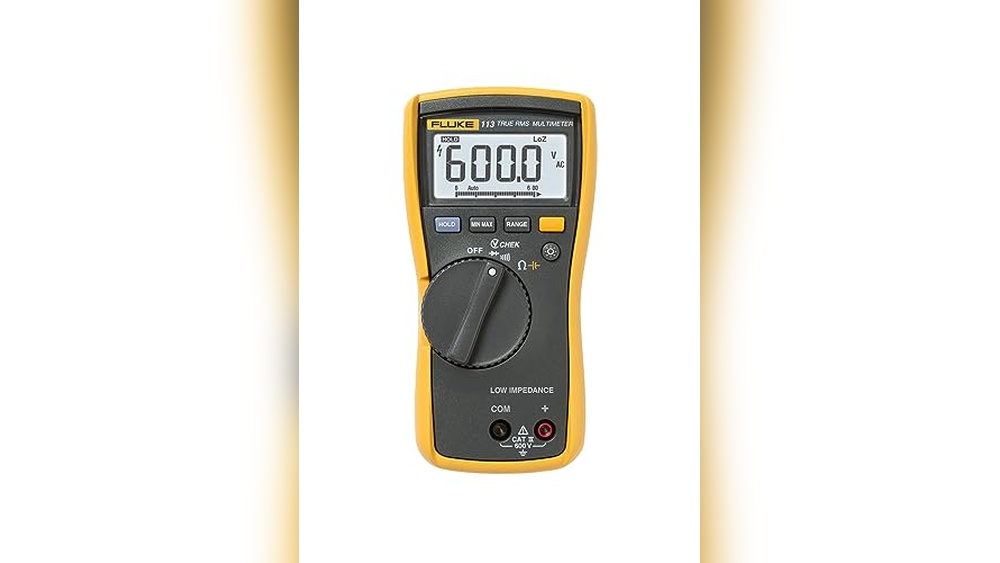
The Fluke 113 is a solid pick for those who want a straightforward multimeter. I find its manual and auto-ranging modes useful when I want more control over measurements. It’s compact and light, making it easy to carry and handle on the job.
This model fits users who do not often need automatic voltage selection but want accurate True RMS readings for various loads.

Features That Bring Confidence
- True RMS measurement ensures accuracy on complex signals.
- Manual and auto-ranging provide flexibility in use.
- Safety ratings suitable for common residential and commercial jobs.
- Compact size enhances portability and ease of use.
- Voltage and continuity checks can run simultaneously.
Aspects That Might Cause Hesitation
- No automatic AC/DC voltage selection, requiring manual input.
- Smaller display might be harder to read in poor lighting.
When The Fluke 114 Is A More Practical Option
The Fluke 114 suits those who prefer ease and speed in measurements. I appreciate its AutoVolt feature that automatically detects AC or DC voltage, reducing setup time. The larger backlit display helps when working in dim conditions.
This model is well-suited for professionals who need quick readings without manual adjustments and often work in varying light environments.

Key Benefits That Ease Use
- AutoVolt eliminates the need to select AC or DC manually.
- Low input impedance reduces false readings from ghost voltage.
- Large white LED backlit display improves visibility in dark areas.
- Min/Max/Average feature tracks signal changes over time.
- Designed for quick, reliable electrician tasks.
Potential Drawbacks to Consider
- Larger size and weight might be less convenient for portability.
- Higher price point compared to simpler models.
What Questions Help You Choose Between These Two?
Do you often work in low-light or cramped spaces where a backlit display is helpful? The Fluke 114’s display is a clear advantage in these cases.
Is automatic voltage detection important to you, or do you prefer selecting ranges manually? AutoVolt in the 114 simplifies the process.
Consider how much weight and size matter for your daily carry. The 113’s compactness can be less tiring over time.
Think about your budget and whether the extra features justify the price difference for your needs.
Finally, assess how critical True RMS accuracy is for your typical tasks. Both models deliver this, but your use case might influence the priority.
Comparing Key Factors For Your Use
Ease of Use in Different Lighting
Visibility during work can affect accuracy and speed. A backlit display helps in dim conditions.
| Decision factor | Fluke 113 Utility Multimeter | Fluke 114 Electrician’s Multimeter |
|---|---|---|
| Display type | Standard display | Large white LED backlit display |
| Visibility in low light | Moderate | High |
| Ease of reading | Basic | Enhanced |
| Ideal for dim environments | No | Yes |
This matters most if you often work in poorly lit spaces.
Voltage Detection Method
Choosing between manual and automatic voltage selection affects speed and error risk.
| Decision factor | Fluke 113 Utility Multimeter | Fluke 114 Electrician’s Multimeter |
|---|---|---|
| Voltage detection | Manual AC/DC selection | AutoVolt automatic AC/DC selection |
| Setup speed | Slower | Faster |
| Error risk from wrong settings | Higher | Lower |
| Ease for casual users | Moderate | Better |
This difference matters if you want fewer steps and less chance of error.
Portability and Size
The physical size and weight affect comfort during extended use or travel.
| Decision factor | Fluke 113 Utility Multimeter | Fluke 114 Electrician’s Multimeter |
|---|---|---|
| Weight | Approx. 0.9 pounds | Approx. 1.1 pounds |
| Dimensions | 6.58 x 3.35 x 1.81 inches | Larger, 650.57 cubic inches |
| Ease of carrying | Better | Less convenient |
| Suitability for pocket carry | Yes | No |
Important if you prioritize light tools for daily carry.
Price and Value
Budget constraints and perceived value impact your choice.
| Decision factor | Fluke 113 Utility Multimeter | Fluke 114 Electrician’s Multimeter |
|---|---|---|
| Current price | $142.15 | $168.08 |
| Savings percentage | 23% | 26% |
| Feature set relative to cost | Basic but solid | More advanced |
| Ideal for budget-conscious buyers | Yes | Less so |
This is key if cost versus features is your main concern.
Will You Wish You Picked Differently?
Regret often comes from missing a key feature needed during use. If you find yourself working in dim spaces without a backlit display, the 113 may feel limiting.
On the other hand, if you prefer a smaller device and don’t mind manual settings, the 114’s size and price might seem excessive later.
Matching your typical tasks with the right model reduces the chance of buyer’s remorse.
Making A Thoughtful Choice Between Fluke 113 And 114
Both multimeters offer reliable performance for general electrical testing. The decision boils down to your preference for automatic features and display visibility versus size and manual control.
Consider how each tool fits into your workflow and environment. Taking time now to reflect on your needs will make your choice feel confident and right.
You can trust either option to serve well when selected with care.
Common Questions On Fluke 113 Vs 114
What is the main difference between the Fluke 113 and 114?
The Fluke 114 includes AutoVolt automatic AC/DC detection and a backlit display, while the Fluke 113 requires manual voltage selection and has a standard display. These differences affect ease of use and visibility.
Which multimeter is better for working in low-light conditions?
The Fluke 114 is better suited for dim environments because of its large white LED backlit display, making readings easier to see.
Does the Fluke 113 offer True RMS measurements?
Yes, the Fluke 113 provides True RMS measurement for accurate readings on both linear and non-linear loads.
Is the Fluke 114 larger and heavier than the Fluke 113?
Yes, the Fluke 114 is larger and slightly heavier, which may affect portability compared to the more compact Fluke 113.
Do both models have similar safety ratings?
Both models have safety ratings suitable for typical electrical work, but the Fluke 113 specifically mentions Category III 600V and Category IV 300V ratings.
Can beginners easily use both multimeters?
Both are user-friendly, but the Fluke 114’s automatic voltage detection can reduce errors, making it slightly easier for beginners.
Which model offers better value for budget-conscious buyers?
The Fluke 113 is generally more affordable and offers essential features, making it a good choice for those mindful of cost.

I’m Asif Ur Rahman Adib, an Electrical Engineer and lecturer. My journey began in the lab, watching students struggle with instruments they used every day without fully understanding them. Over time, I’ve combined teaching, research, and hands-on experience to help others grasp electrical concepts clearly, safely, and practically—whether it’s understanding a circuit or mastering a multimeter.