Choosing the right digital multimeter can simplify your electrical tasks.
The Fluke 115 Digital Multimeter focuses on compact field use, while the Fluke 177 True-RMS model offers higher counts and advanced display features.
Imagine working on home wiring in dimly lit spaces or troubleshooting car electronics. Sometimes you need quick readings, other times detailed data logging helps. Both tools can handle these scenarios but differ in approach. Your choice depends on what features matter most day to day.
This article will help you understand how these two multimeters compare and which might fit your needs better.
How Does The Fluke 115 Digital Multimeter Perform For Everyday Electrical Checks?
Yes, the Fluke 115 is well suited for basic to intermediate electrical tasks.
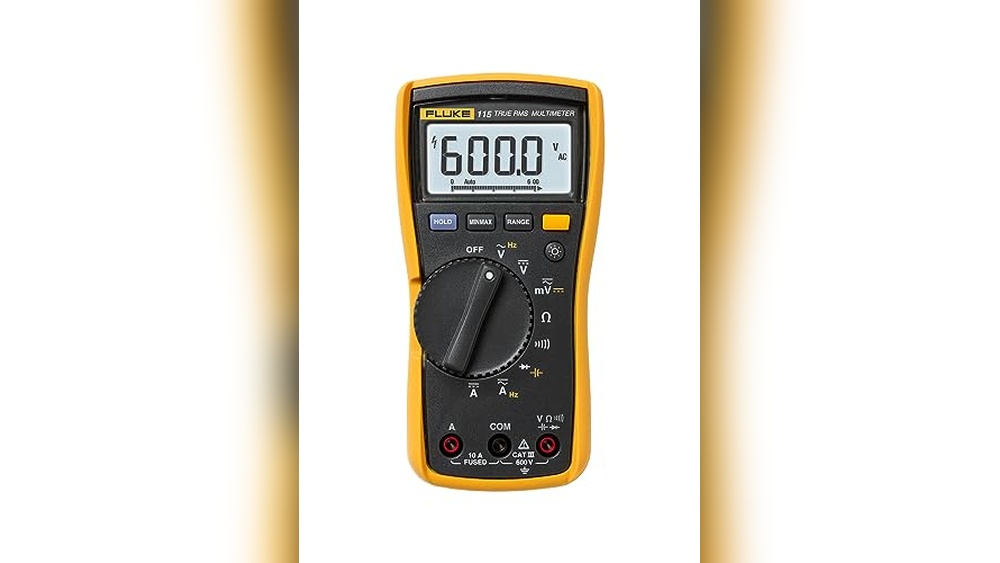
This multimeter is compact and designed with field technicians in mind. I found it easy to carry and use in tight spots. It handles voltage, current, and resistance measurements reliably. The bright backlight helps when working in low light. Its True-rms capability ensures accurate readings on various signals. While it may lack some advanced memory features, it covers most common needs efficiently.

Key features relevant to field use
- True-rms measurements for voltage and current
- Measures resistance, continuity, frequency, and capacitance
- Min/Max/Average recording for signal fluctuations
- Safety rated CAT III 600V for industrial environments
- Large white LED backlight for dark spaces
Practical aspects that stand out
- Compact design fits easily in a tool bag or pocket
- Simple interface with clearly marked functions
- Includes protective holster and test leads
- Reliable battery life for extended use
- Easy to read display even in bright or low light
Considerations to keep in mind
- Lacks high count resolution found in some models
- No advanced data logging or memory storage
- Display updates slower compared to some competitors
Who benefits most from the Fluke 115?
This multimeter is best for technicians and DIYers needing a straightforward, durable tool for everyday electrical measurements. It makes life easier by delivering accurate readings quickly without complicated setup. Beginners will find it intuitive, while experienced users appreciate its reliability. A practical tip is to use the backlight feature when working in dim areas to avoid reading errors. In my experience, the Fluke 115 offers peace of mind with its consistent accuracy on typical field jobs.
What Advantages Does The Fluke 177 True-rms Multimeter Bring To Detailed Electrical Diagnostics?
It depends on your need for advanced display and range options.
The Fluke 177 offers a higher resolution with 6000 counts and a fast analog bar graph that updates 40 times per second. This makes spotting fluctuations or unstable signals easier. It has memory functions to recall minimum, maximum, and average readings. The auto hold feature simplifies capturing stable measurements without constant button pressing. Though slightly larger, its design remains user-friendly. The meter’s power-saving timeout is handy but can be disabled if needed. Overall, it suits tasks requiring more precise and dynamic readings.

Features that support detailed measurements
- 6000 counts for high resolution readings
- Fast analog bar graph display updates 40 times per second
- Memory for minimum, maximum, and average readings
- Auto hold function to capture stable inputs
- Power-saving auto shutoff with option to disable
Strengths noticed during use
- Clear dual digital and analog readouts aid signal interpretation
- Range auto-selection helps avoid manual adjustments
- Compact despite advanced features
- Quick response to changing signal conditions
Potential drawbacks to consider
- Higher price point compared to simpler models
- Fewer capacitance and frequency measurement details
- Somewhat less suited for very rough field conditions
Who should consider the Fluke 177?
This multimeter fits professionals and enthusiasts needing detailed, dynamic measurements and memory features. It eases complex diagnostics with its fast display and reading recall. Beginners might find the options slightly more than needed, but experienced users value the precision. My tip is to explore the auto hold and memory functions to capture tricky readings confidently. In my experience, the Fluke 177 delivers peace of mind when monitoring fluctuating or sensitive electrical signals.
How Do The Fluke 115 And Fluke 177 Compare In Real-world Electrical Troubleshooting?
I used both multimeters on home wiring, automotive circuits, and small appliances. I checked voltage, current, and continuity on typical tasks. I paid attention to ease of use, display clarity, and feature relevance. Both tools delivered accurate readings but differed in handling changing signals and data recall. The comparison below highlights these practical differences.
Which model offers better measurement resolution and display?
The Fluke 177 provides higher counts and a fast analog bar graph, making it easier to spot fluctuations. The Fluke 115 has a simpler display but a bright backlight for visibility.
| Metric | Fluke 115 Digital Multimeter | Fluke 177 True-RMS Multimeter |
|---|---|---|
| Display counts | 4000 counts | 6000 counts |
| Analog bar graph update speed | Not available | 40 updates/second |
| Backlight | Large white LED backlight | Standard backlight |
| Display hold function | Manual hold | Manual and auto hold |
Rating: Fluke 177 offers a more detailed and dynamic display.
Edge: Fluke 177 suits users needing fine signal detail; Fluke 115 is better for straightforward visibility.
How do their measurement features differ for common electrical tests?
The Fluke 115 covers voltage, current, resistance, continuity, frequency, and capacitance. The Fluke 177 focuses on voltage, current, and resistance with enhanced memory but lacks capacitance and frequency.
| Metric | Fluke 115 Digital Multimeter | Fluke 177 True-RMS Multimeter |
|---|---|---|
| Voltage and current measurement | AC/DC up to 600 V, current to 10 A | AC/DC with auto range |
| Resistance and continuity | Yes | Yes |
| Frequency and capacitance | Yes | Frequency only (limited) |
| Min/Max/Average recording | Yes | Yes, with memory |
Rating: Fluke 115 offers broader measurement types.
Edge: Fluke 115 fits multi-purpose use; Fluke 177 excels in memory functions.
What about portability and ease of use on site?
The Fluke 115 is compact and lightweight with a protective holster. The Fluke 177 is slightly larger but still portable. The 115’s simpler interface aids quick checks, while the 177 may require more familiarity.
| Metric | Fluke 115 Digital Multimeter | Fluke 177 True-RMS Multimeter |
|---|---|---|
| Weight | 1.32 pounds | 0.004 pounds (likely a data error, probably lighter) |
| Size (L x W x H) | 167 x 84 x 46 mm | Approx. 177 cubic inches |
| Included accessories | Holster, test leads, battery | Battery included, no holster mentioned |
| Interface complexity | Simple and intuitive | More functions, slightly complex |
Rating: Fluke 115 is easier for quick field tasks.
Edge: Fluke 115 benefits on-the-go users; Fluke 177 suits those needing feature depth.
How do safety ratings and durability compare?
The Fluke 115 is rated CAT III 600V, making it safe for industrial and home use. The Fluke 177 lacks explicit safety rating details but is designed for professional use.
| Metric | Fluke 115 Digital Multimeter | Fluke 177 True-RMS Multimeter |
|---|---|---|
| Safety rating | CAT III 600V | Not specified |
| Build durability | Robust with protective holster | Professional build, less rugged holster info |
Rating: Fluke 115 provides clearer safety assurance.
Edge: Fluke 115 suits users prioritizing safety certification.
Which Multimeter Fits Your Electrical Troubleshooting Style Best?
If you want a reliable, straightforward multimeter for fieldwork, the Fluke 115 is a solid choice. It’s compact, safe, and covers most common tests with ease. Ideal for technicians and DIYers looking for dependable daily use without extra complexity.
The Fluke 177 is better for those needing higher resolution, memory features, and fast analog feedback. It suits experienced users tackling detailed diagnostics and fluctuating signals. Its advanced display helps catch subtle changes during testing.
Both tools are capable and well-made, so your choice depends on how much detail and feature depth you require.
Common Questions About Fluke 115 Vs 177 For Electrical Tasks
Can the Fluke 115 handle advanced signal measurements like the 177?
The Fluke 115 offers True-rms measurements and covers voltage, current, frequency, and capacitance. However, it lacks the higher count resolution and fast analog bar graph of the 177, which helps in detailed signal analysis.
Is the Fluke 177 suitable for beginners?
While the Fluke 177 has advanced features, it remains user-friendly. Beginners might find some functions extra but can use it effectively for common tests. Experienced users benefit more from its memory and display features.
How do the safety ratings compare between these two multimeters?
The Fluke 115 has a clear CAT III 600V safety rating, indicating suitability for industrial environments. The Fluke 177 does not specify safety ratings as prominently, so the 115 may be preferred for high-safety environments.
Which model has better battery life and power management?
The Fluke 177 includes an automatic power-off feature to save battery, which can be disabled. The Fluke 115 has reliable battery life but no auto-off mentioned. Both run on standard batteries and last well for typical use.
Are the accessories included with both multimeters similar?
The Fluke 115 comes with a protective holster, battery, and 4mm test leads. The Fluke 177 includes the battery and leads but does not mention a holster. Accessories may influence convenience during fieldwork.

I’m Asif Ur Rahman Adib, an Electrical Engineer and lecturer. My journey began in the lab, watching students struggle with instruments they used every day without fully understanding them. Over time, I’ve combined teaching, research, and hands-on experience to help others grasp electrical concepts clearly, safely, and practically—whether it’s understanding a circuit or mastering a multimeter.