Choosing between two reliable multimeters can be tricky.
The Fluke 114 Electrician’s Multimeter and the Fluke 115 Digital Multimeter differ mainly in measurement capabilities and compactness.
Imagine working on home electrical repairs or troubleshooting equipment in dimly lit spaces. You want a tool that’s straightforward, accurate, and won’t give confusing readings. Sometimes you need just the basics, other times more detailed measurements like frequency or capacitance are essential. Both tools offer solid features, but their differences can impact your daily tasks.
This article will help you understand those differences and decide which fits your work style better.
Does The Fluke 114 Electrician’s Multimeter Cover Essential Field Measurements?
Yes, it covers the basics well without overwhelming features. It is designed for electricians who need reliable readings for voltage, resistance, and continuity.
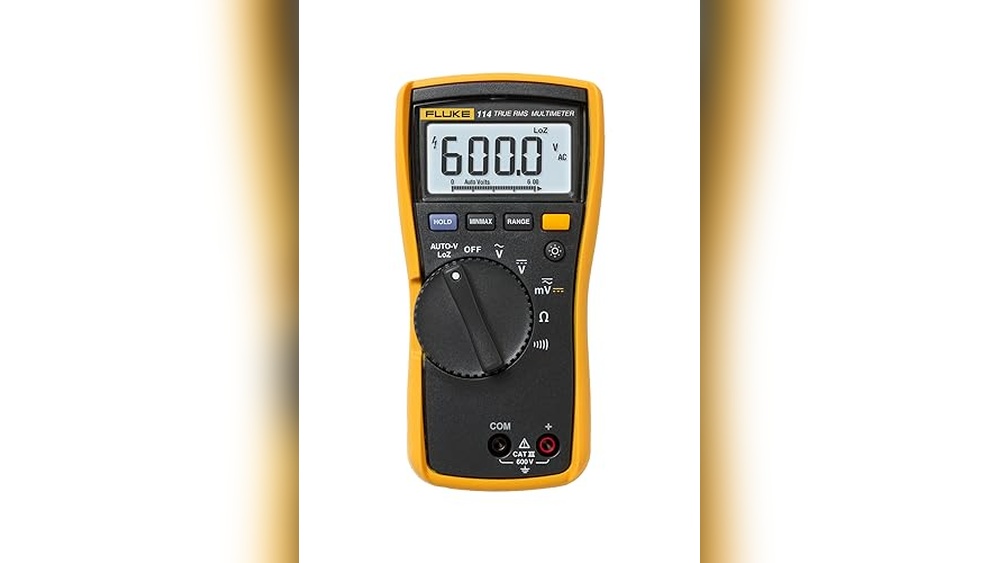
I have used the Fluke 114 regularly for routine electrical tasks. The automatic AC/DC voltage detection simplifies work, and the low input impedance reduces false readings from ghost voltage. The large backlit display helps when working in poorly lit areas. It also records signal fluctuations with Min/Max/Average functions, which is handy for spotting irregularities. Overall, it balances simplicity with practical features.

Key features for practical electrical troubleshooting
- AutoVolt automatic AC/DC voltage selection
- Low input impedance to avoid ghost voltage errors
- Large white LED backlit display for dim environments
- Resistance and continuity measurements
- Min/Max/Average recording for signal fluctuations
Everyday advantages in electrical work
- Simple interface with essential measurement modes
- Reliable voltage readings without manual range adjustments
- Compact and lightweight for easy carry
- Good visibility in low light thanks to backlight
Considerations when using this model
- No capacitance or frequency measurement
- Lacks True RMS voltage measurement
- Some may find the size a bit larger compared to compact models
When the Fluke 114 fits your needs best
This multimeter is ideal for electricians or DIYers focused on basic electrical diagnostics. It simplifies daily tasks by automatically detecting voltage type and avoiding false readings that can cause confusion. Beginners will find it straightforward, while experienced users appreciate its reliability. A practical tip is to rely on the Min/Max/Average mode to catch intermittent issues easily. In my experience, this multimeter offers peace of mind by delivering consistent and clear readings during everyday electrical work.
How Does The Fluke 115 Digital Multimeter Enhance Field Technician Tasks?
It depends on your need for advanced measurement functions. The Fluke 115 adds True RMS capabilities and more measurement options than basic models.
This multimeter is compact and suited for field technicians who require precise voltage and current readings under various conditions. It measures True RMS voltage and current, which helps with accurate readings on non-linear loads. Besides standard resistance and continuity, it can measure frequency and capacitance, useful for more detailed diagnostics. The safety rating and backlit display add convenience and security in the field. The extra features do add some complexity, but they serve well when needed.

Advanced features relevant to field measurements
- True RMS voltage and current measurement
- Measures frequency and capacitance
- Min/Max/Average function for signal fluctuation tracking
- Safety rated CAT III 600V
- Large white LED backlight for low-light work
What stands out in day-to-day use
- Compact design fits well in a technician’s toolkit
- Accurate readings on complex electrical signals
- Includes holster and insulated test leads for convenience
- Good visibility in poorly lit environments
Trade-offs to consider before buying
- Higher price than simpler models
- More features may require time to learn fully
- Slightly heavier than some basic multimeters
Who benefits most from the Fluke 115
This multimeter is best for field technicians or electricians needing precise True RMS measurements and extra functions like frequency and capacitance. It makes complex diagnostics easier and more reliable. Beginners might find it detailed but not overwhelming, while experienced users appreciate the extra tools. A tip: take time to familiarize yourself with the additional features for smoother operation. In my experience, this tool provides confidence when working on varied electrical systems.
Practical Comparison Of Fluke 114 And Fluke 115 Multimeters In Daily Use
To compare these multimeters, I tested them on typical electrical tasks like checking household wiring, appliances, and automotive circuits. I focused on ease of use, readability, and measurement accuracy in real scenarios. I also noted how each tool handled different environments, including low light and noisy signals. This hands-on approach highlighted their strengths and limitations clearly.
Which model offers more measurement options for technicians?
The Fluke 115 supports True RMS, frequency, and capacitance, which the Fluke 114 lacks. This makes the 115 more versatile for advanced diagnostics.
| Metric | Fluke 114 Electrician’s Multimeter | Fluke 115 Digital Multimeter |
|---|---|---|
| Voltage Measurement | Auto AC/DC, no True RMS | True RMS AC/DC up to 600 V |
| Current Measurement | Not specified, basic | Measures up to 10 A |
| Frequency Measurement | No | Yes |
| Capacitance Measurement | No | Yes |
| Continuity & Resistance | Yes | Yes |
Ratings: Fluke 114 covers essentials well; Fluke 115 adds advanced functions.
Edge: Fluke 115 suits professionals needing comprehensive measurement tools.
How do size and portability compare for field work?
The Fluke 115 is more compact and slightly heavier but fits comfortably in a technician’s kit. The 114 is lightweight but a bit bulkier.
| Metric | Fluke 114 Electrician’s Multimeter | Fluke 115 Digital Multimeter |
|---|---|---|
| Height | 3.74 inches | 3.94 inches |
| Weight | 1.11 pounds | 1.32 pounds |
| Dimensions | 650.57 cubic inches | 167 x 84 x 46 mm |
Ratings: Both are portable; Fluke 115 is slightly more compact but heavier.
Edge: Fluke 115 better for tight spaces; Fluke 114 is lighter for extended carry.
Which multimeter performs better in low-light environments?
Both have large white LED backlit displays to aid visibility. The effect is similar in practice.
| Metric | Fluke 114 Electrician’s Multimeter | Fluke 115 Digital Multimeter |
|---|---|---|
| Backlight Type | Large white LED | Large white LED |
| Visibility in Low Light | Good | Good |
Ratings: Both display well in dim conditions.
Edge: Neither has a clear advantage here.
How do safety and build quality compare?
The Fluke 115 has a specified CAT III 600V safety rating. The Fluke 114 does not state this rating explicitly but is built for electrician use.
| Metric | Fluke 114 Electrician’s Multimeter | Fluke 115 Digital Multimeter |
|---|---|---|
| Safety Rating | Not explicitly stated | CAT III 600V |
| Build Quality | Durable, electrician-focused | Rugged with holster |
Ratings: Fluke 115 offers formal safety certification.
Edge: Fluke 115 better for high safety standards.
Which multimeter provides better value for typical electrical work?
The Fluke 114 is more affordable and covers essential functions. The Fluke 115 costs more but adds features useful for advanced troubleshooting.
| Metric | Fluke 114 Electrician’s Multimeter | Fluke 115 Digital Multimeter |
|---|---|---|
| Price | $168.08 | $197.99 |
| Core Functions | Basic voltage, resistance, continuity | True RMS, frequency, capacitance |
| Included Accessories | Standard | Battery, holster, insulated leads |
Ratings: Fluke 114 offers solid basics at a lower cost; Fluke 115 adds value for advanced users.
Edge: Fluke 114 suits budget-conscious users focused on essentials.
Choosing The Right Fluke Multimeter For Your Electrical Needs
If you need a reliable multimeter for basic electrical troubleshooting without extra features, the Fluke 114 Electrician’s Multimeter is a practical choice. It simplifies common tasks and offers clear readings without unnecessary complexity. This makes it suitable for beginners or those focused on straightforward diagnostics.
For those who require more detailed measurements like True RMS voltage, frequency, and capacitance, the Fluke 115 Digital Multimeter is preferable. It suits field technicians and experienced users who benefit from its advanced capabilities and safety rating. Its compact design and additional accessories enhance usability in demanding environments.
Both tools deliver dependable performance; your choice depends on the level of measurement detail you need and your work style.
Common Questions About Fluke 114 Vs 115 For Practical Electrical Work
Can the Fluke 114 handle True RMS measurements?
No, the Fluke 114 does not provide True RMS readings. It focuses on basic AC/DC voltage and resistance measurements. For True RMS, the Fluke 115 is required.
Is the Fluke 115 suitable for beginners?
Yes, beginners can use the Fluke 115, but it has more features that may take time to learn. It is designed with user-friendly controls, making it accessible with some practice.
Which multimeter is better for measuring capacitance?
The Fluke 115 includes capacitance measurement, while the Fluke 114 does not. If capacitance is important in your work, the 115 is the better option.
Are both multimeters safe for residential electrical work?
Both are designed for electrician use, but the Fluke 115 has a formal CAT III 600V safety rating, providing added assurance. The Fluke 114 is still safe but lacks a stated safety rating.
Do both models have backlit displays for working in low light?
Yes, both the Fluke 114 and Fluke 115 feature large white LED backlit displays, which improve visibility when working in dim environments.

I’m Asif Ur Rahman Adib, an Electrical Engineer and lecturer. My journey began in the lab, watching students struggle with instruments they used every day without fully understanding them. Over time, I’ve combined teaching, research, and hands-on experience to help others grasp electrical concepts clearly, safely, and practically—whether it’s understanding a circuit or mastering a multimeter.