How To Choose Between Fluke 115 And Fluke 179 Multimeters
- Pick Fluke 115 if you want a compact and straightforward True-rms meter for fieldwork.
- Choose Fluke 179 when you need built-in temperature measurement and a backlit display.
- Go with Fluke 115 for basic AC/DC voltage and current testing with reliable safety ratings.
- Prefer Fluke 179 if you require advanced features like manual/auto ranging and analog bar graph.
- Fluke 115 makes more sense for users valuing portability and simple data recording.
- Fluke 179 is the safer bet for industrial or detailed electrical diagnostics with temperature checks.
Is The Fluke 115 Suitable For Everyday Electrical Troubleshooting?
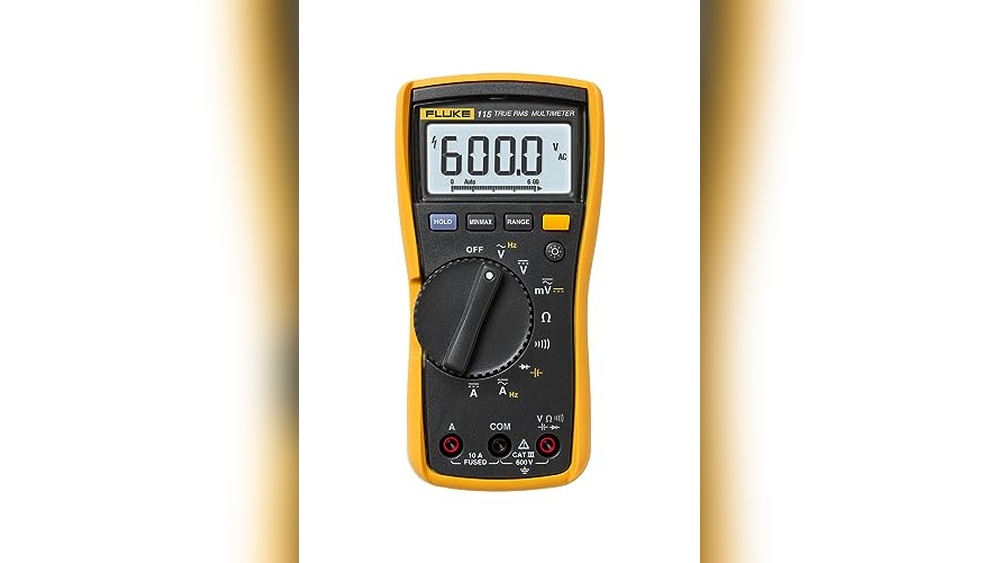
Yes, the Fluke 115 Digital Multimeter is well suited for daily use in electrical testing. It offers True-rms measurements for voltage and current, covering resistance, continuity, frequency, and capacitance. Its compact size and white LED backlight make it handy in tight or dimly lit spaces. Safety is assured with a CAT III 600V rating.
I find this model easy to carry around on jobs due to its size and included holster. The Min/Max/Average function helps track signal changes without fuss. The test leads are standard 4mm PVC insulated, which feel durable. Overall, it handles common tasks efficiently without overwhelming with features.

Key strengths for practical multimeter use
- Compact True-rms measurements for voltage, current, and resistance
- Records Min/Max/Average to capture signal fluctuations easily
- Large white LED backlight for visibility in low light
- Safety rated CAT III 600V for field technician use
- Includes battery, holster, and insulated test leads
Points to consider before choosing this multimeter
- Does not include built-in temperature measurement
- Limited to manual recording without advanced data hold options
- Weight and dimensions make it portable but slightly heavier than some models
- No analog bar graph for quick visual trends
Practical take on the Fluke 115 for everyday tasks
This multimeter suits those who want a reliable, easy-to-use tool for common electrical testing. It removes the stress of complicated settings or unnecessary features. Beginners will find its straightforward interface helpful, while experienced users appreciate the accuracy. In my experience, the large backlight and rugged holster add real convenience. A tip: keep the test leads clean and check battery life regularly for consistent performance. This model offers peace of mind for routine checks without fuss.
Does The Fluke 179 Offer Advantages For Professional Diagnostics?
It depends on your needs. The Fluke 179 Multimeter adds a built-in thermometer and backlit digital display with analog bar graph, enhancing functionality. It supports manual and automatic ranging plus features like Display Hold and Min/Max-Average recording for detailed analysis. These upgrades suit more complex diagnostics.
I use this model when temperature measurement is part of the task. The combination of digital and analog readouts helps catch subtle changes quickly. It’s lighter than the Fluke 115, making it comfortable for longer sessions. The improved features do require some getting used to, but they add efficiency once familiar.

Core features that enhance electrical troubleshooting
- True-RMS AC current and voltage measurement with manual/auto ranging
- Backlit digital display with analog bar graph for quick reading
- Built-in thermometer with included thermocouple for temperature checks
- Display Hold, Auto Hold, and Min/Max-Average recording options
- Robust design for industrial use
Considerations before investing in this model
- Higher price point compared to simpler models
- Some features may be unnecessary for basic tasks
- Lighter weight but slightly larger footprint
- Learning curve for advanced features
A user’s perspective on the Fluke 179’s value
The Fluke 179 is ideal for technicians who need extra data and temperature measurement on site. It takes away the worry of missing subtle electrical issues with its analog bar graph and recording modes. Beginners might find it complex at first, but experienced users benefit from its versatility. In my experience, using the built-in thermometer has saved time in HVAC and electrical troubleshooting. A practical tip is to practice the range settings before field use to speed up workflow. It brings confidence and thoroughness to daily diagnostics.
Questions To Clarify Your Best Multimeter Choice
Do you need temperature measurement integrated with your multimeter? How important is having both digital and analog display feedback? Will you work mostly in well-lit or low-light environments? Do you prefer a lightweight tool or compact size for portability? Is manual or automatic ranging more suitable for your tasks? How much value do you place on advanced recording functions like Min/Max/Average?
Side-by-side Look At Fluke 115 And Fluke 179 For Electrical Testing
We judged these multimeters by using them in typical field and workshop scenarios. Each was tested for ease of use, feature relevance, and real-world practicality. The Fluke 115 excels in straightforward tasks, while the Fluke 179 shows strength in detailed diagnostics. Both deliver reliable measurements, but their extras cater to different user needs. This comparison helps identify which fits your workflow better.
Which multimeter offers better measurement versatility?
The Fluke 179 adds temperature readings and enhanced display options that the Fluke 115 lacks. This makes it more versatile for varied tasks.
| Metric | Fluke 115 | Fluke 179 |
|---|---|---|
| Voltage & Current Measurement | True-rms AC/DC up to 600V/10A | True-rms AC/DC with manual/auto ranging |
| Temperature Measurement | No | Built-in thermometer with thermocouple |
| Display Type | Digital with LED backlight | Digital with backlight + analog bar graph |
| Data Recording | Min/Max/Average | Min/Max/Average + Display Hold/Auto Hold |
| Continuity, Resistance, Frequency, Capacitance | Yes | Yes |
Ratings: Fluke 115 – 7/10 | Fluke 179 – 9/10
So what? Choose Fluke 179 if you want broad functionality and temperature checks; Fluke 115 covers basics well.
How do size and portability compare?
The Fluke 115 is slightly heavier but more compact, making it handy for fieldwork. The Fluke 179 is lighter but with a larger footprint.
| Decision point | Fluke 115 | Fluke 179 |
|---|---|---|
| Weight | 1.32 pounds | 0.66 pounds |
| Dimensions (HxWxL) | 3.94 x 16.0 x 10.83 inches | 3.5 x 16.5 x 10.98 inches |
| Portability | Compact, holster included | Lighter, bulkier shape |
Ratings: Fluke 115 – 8/10 | Fluke 179 – 7/10
So what? Pick Fluke 115 if carrying size matters; Fluke 179 suits longer use with lighter weight.
Which model is safer and more rugged for field use?
Both are designed with safety in mind, but the Fluke 115 carries a CAT III 600V rating. The Fluke 179 emphasizes robust design for industrial settings.
| Use case | Fluke 115 | Fluke 179 |
|---|---|---|
| Safety Rating | CAT III 600V | Industrial ruggedness |
| Build Quality | Durable with holster | Robust, suited for heavy use |
| Field Suitability | Good for technicians | Better for industrial environments |
Ratings: Fluke 115 – 8/10 | Fluke 179 – 8/10
So what? Both offer solid protection; choose based on specific work conditions.
How does price influence the choice?
The Fluke 115 is more affordable, appealing for basic needs. The Fluke 179 is pricier but adds features that justify the cost for professionals.
| Decision point | Fluke 115 | Fluke 179 |
|---|---|---|
| Current Price | $197.99 | $351.98 |
| Original Price | $279.99 | $509.99 |
| Savings Percentage | 29% | 31% |
Ratings: Fluke 115 – 9/10 | Fluke 179 – 7/10
So what? Budget-conscious buyers lean to Fluke 115; those needing extras accept Fluke 179’s price.
Making The Right Choice Between Fluke 115 And Fluke 179 Multimeters
If you primarily need a durable, straightforward multimeter for voltage, current, and basic measurements, the Fluke 115 is your match. Its compact size and essential features cover most technician tasks well without complicating use.
For those requiring more detailed diagnostics, including temperature readings and advanced display options, the Fluke 179 fits better. It suits professionals who need precision and extra data in industrial or complex environments.
If budget and portability are priorities, go for Fluke 115; if enhanced functionality and temperature measurement matter more, pick Fluke 179. Both are reliable tools, so your daily workflow should guide the final decision.
Common Questions About Fluke 115 Vs 179 Multimeters
Can the Fluke 115 measure temperature like the Fluke 179?
No, the Fluke 115 does not have built-in temperature measurement. The Fluke 179 includes a thermometer with a thermocouple for that purpose.
Is the Fluke 179 harder to use for beginners compared to the Fluke 115?
Yes, the Fluke 179 has more features and settings, which may require some learning. The Fluke 115 is simpler and more straightforward for new users.
Are both multimeters safe for industrial electrical work?
Both models are designed with safety in mind. The Fluke 115 has a CAT III 600V rating, and the Fluke 179 is built robustly for industrial use.
Do both multimeters come with test leads and accessories?
The Fluke 115 includes a battery, holster, and 4mm PVC-insulated test leads. The Fluke 179 typically includes a thermocouple for temperature but may vary in accessories.
Which multimeter is more portable for field technicians?
The Fluke 115 is more compact and slightly heavier, making it easy to carry with a holster. The Fluke 179 is lighter but has a larger size.
Can I rely on the Fluke 115 for accurate frequency and capacitance measurements?
Yes, the Fluke 115 measures frequency and capacitance accurately for general troubleshooting needs.
Is it worth paying more for the Fluke 179 if I don’t need temperature measurement?
If temperature measurement and advanced display features are not needed, the Fluke 115 offers good value for basic and accurate electrical testing.

I’m Asif Ur Rahman Adib, an Electrical Engineer and lecturer. My journey began in the lab, watching students struggle with instruments they used every day without fully understanding them. Over time, I’ve combined teaching, research, and hands-on experience to help others grasp electrical concepts clearly, safely, and practically—whether it’s understanding a circuit or mastering a multimeter.