When you’re choosing test equipment, the decision between Instek and Rigol can feel overwhelming. Both brands promise quality and performance, but which one truly fits your needs?
You want reliable tools that make your work easier, not more complicated. You’ll discover the key differences and benefits of Instek and Rigol, helping you make a confident choice. Keep reading—your next purchase could be the game-changer for your projects.
Oscilloscope Brands Overview
Oscilloscopes are key tools for anyone working with electronics. Choosing the right brand affects your work quality. Instek and Rigol are two popular brands in this field. Both offer reliable instruments but differ in features and focus. Understanding their strengths helps you pick the best oscilloscope for your needs.
Instek Brand Highlights
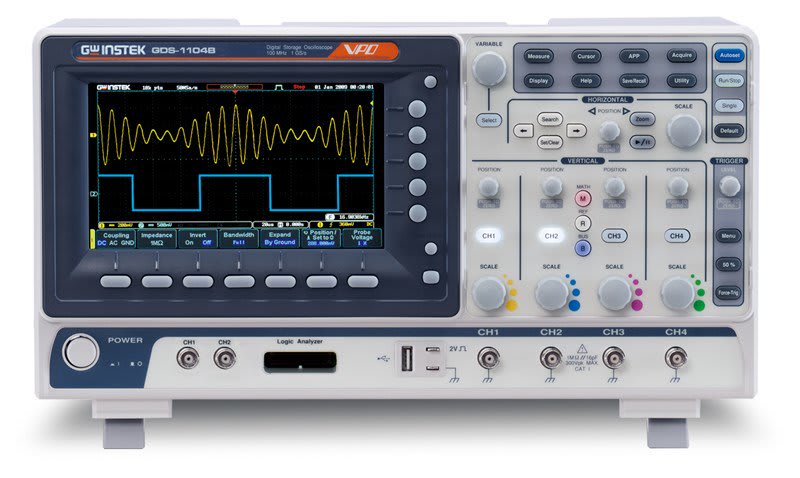
Instek has a long history in test and measurement tools. Their oscilloscopes are known for strong build quality and clear displays. Many models offer good bandwidth options and solid trigger systems. Instek focuses on ease of use, with simple menus and controls. Their products often suit beginners and educators well. Instek provides good customer support and warranty services. This brand balances cost and performance effectively.
Rigol Brand Highlights
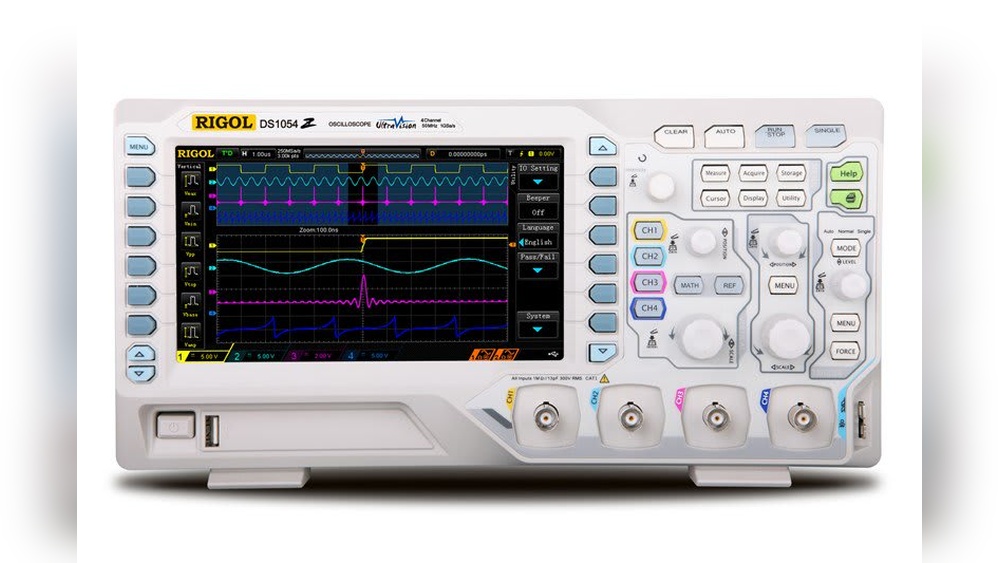
Rigol grew quickly by offering affordable, feature-rich oscilloscopes. Their devices often include advanced analysis functions and high sample rates. Rigol appeals to both hobbyists and professionals. Their user interfaces are modern and intuitive. Many models support firmware upgrades for added features. Rigol products usually offer excellent value for the price. The brand invests heavily in research and development.
Credit: www.tequipment.net
Key Features Comparison
Comparing Instek and Rigol helps buyers choose the right tool. Both brands offer solid features for test and measurement. Understanding key differences aids in making a smart decision.
This section breaks down important features. Focus areas include display, bandwidth, memory, and triggering. These affect how well the oscilloscope fits your needs.
Display And Interface
Instek models often have bright, clear screens. Their interface is simple and easy to use. Rigol provides high-resolution displays with good color depth. The Rigol interface includes intuitive menus and touch options. Both brands offer easy navigation but differ in screen size and brightness.
Bandwidth And Sampling Rate
Bandwidth shows the highest frequency the scope can measure. Instek scopes usually cover up to 100 MHz or more. Rigol offers models with bandwidths from 50 MHz to 200 MHz. Sampling rate affects signal detail and accuracy. Rigol often provides higher sampling rates than Instek at similar prices. This helps capture fast signals better.
Memory Depth And Storage
Memory depth controls how much data the scope records. Instek devices have moderate memory suitable for basic tasks. Rigol often includes deeper memory for longer signal capture. Both brands support USB storage for saving waveforms. Rigol’s larger memory benefits complex or long tests.
Triggering Capabilities
Triggering helps stabilize signals on the screen. Instek offers standard triggers for edge and pulse. Rigol includes advanced triggers like video and slope triggers. These allow capturing more specific events. Rigol’s triggering options give more control for detailed analysis.
Performance And Accuracy
Performance and accuracy are key factors in choosing between Instek and Rigol. Both brands offer instruments designed for precise electronic measurements. Understanding their strengths helps select the right tool for your needs.
Signal Fidelity
Signal fidelity means how well the device shows the true signal. Rigol tends to provide clean and clear waveforms. Instek also delivers good signal quality but may show slight distortions at high frequencies. Accurate signal display is vital for troubleshooting and analysis.
Measurement Precision
Measurement precision refers to how exact the readings are. Rigol instruments often have tight tolerances and stable readings. Instek models provide reliable measurements, suitable for most tasks. Precision affects the confidence in test results and device performance.
Noise Levels
Noise levels impact the clarity of measurements. Rigol devices usually have low noise floors, helping to see small signals clearly. Instek oscilloscopes may have slightly higher noise but remain effective for general use. Lower noise means better detail and less signal interference.
User Experience
User experience plays a big role in choosing between Instek and Rigol devices. A good user experience means the device is simple to use, connects well with other tools, and comes with helpful support. This section breaks down these points to help understand how each brand performs.
Ease Of Use
Instek devices have clear controls and simple menus. Beginners find them easy to start with. Rigol also offers straightforward interfaces but adds more advanced options for skilled users. Both brands focus on making the device easy to navigate. The button layout and screen visibility are good on both. Instek feels a bit more basic, while Rigol has more features visible at once.
Software And Connectivity
Instek provides basic software for data capture and control. It works well with common operating systems. Rigol offers more advanced software with extra tools for analysis. Connectivity options like USB and LAN are standard for both. Rigol supports remote access better, which is helpful for complex setups. Instek’s software is easier for casual users. Rigol’s software suits users needing deeper data control.
Customer Support
Both Instek and Rigol have customer support teams ready to help. Instek offers quick response times and clear guidance. Rigol provides detailed manuals and online resources. Support quality can vary by region for both brands. Rigol has a larger global presence, which may help in some areas. Instek focuses on direct communication. Both brands value solving user problems efficiently.
Pricing And Value
Choosing between Instek and Rigol depends a lot on pricing and value. Both brands offer solid products, but budgets and needs differ. Understanding the cost, features, and support helps pick the best option.
Cost Comparison
Instek devices usually have a lower starting price. They fit well for basic and mid-level needs. Rigol models tend to cost more but come with advanced specs. The price gap reflects extra features and performance. Buyers should check current prices as they can change.
Feature-to-price Ratio
Rigol often provides more features for the price. Their instruments include better sampling rates and memory depth. Instek focuses on simplicity and reliability. For simple tasks, Instek offers good value. For complex work, Rigol’s extras may justify the cost.
Warranty And Service
Both brands offer standard warranties, usually one to three years. Rigol has a wider service network globally. Instek’s service centers may be limited depending on location. Quick and reliable service adds value beyond the purchase price. Check warranty terms carefully before deciding.

Credit: www.youtube.com
Use Case Suitability
Choosing between Instek and Rigol depends on how you plan to use the device. Each brand offers features that suit different needs. Understanding their best use cases helps you pick the right tool.
Hobbyist Applications
Hobbyists benefit from easy-to-use, affordable equipment. Rigol often provides more advanced features at a budget-friendly price. Instek models focus on straightforward operation and reliable performance. Both brands support basic projects well.
Professional And Industrial Use
Professionals need precision and durability. Rigol instruments often include high accuracy and multiple functions. Instek devices are known for robust build and long-term stability. Each brand suits different industrial tasks depending on complexity.
Educational Settings
Schools and training centers require simple and safe tools. Instek products usually offer clear interfaces and solid reliability. Rigol equipment introduces students to more complex features gradually. Both brands fit well into learning environments.
Final Verdict
The final verdict on Instek vs Rigol reveals clear strengths for each brand. Both offer reliable tools, but they suit different needs. Choosing the right one depends on your specific use case and budget.
Strengths Of Instek
Instek devices are known for their solid build quality. They deliver stable and accurate measurements. The user interface is straightforward, making it easy for beginners. Instek often provides good customer support. Their products tend to last long with regular use.
Strengths Of Rigol
Rigol offers advanced features at affordable prices. Their instruments have a modern design and better screen quality. Rigol supports faster data processing and more connectivity options. Many professionals appreciate Rigol’s software tools. The brand keeps updating its products regularly.
Best Choice Scenarios
Choose Instek if you want durability and ease of use. Ideal for those new to test equipment or with simple needs. Pick Rigol for advanced functions and better tech features. Suitable for tech-savvy users or professional labs. Budget plays a key role in this decision.

Credit: www.youtube.com
Frequently Asked Questions
What Are The Key Differences Between Instek And Rigol?
Instek offers reliable basic models, while Rigol provides advanced features. Rigol generally has better bandwidth and more innovative technology. Instek suits beginners; Rigol fits professionals needing high precision and versatility.
Which Brand Offers Better Oscilloscope Performance?
Rigol oscilloscopes typically deliver superior performance with higher bandwidth and faster processing. Instek models focus on affordability and ease of use, making Rigol a preferred choice for demanding applications.
Are Instek Or Rigol Instruments More Affordable?
Instek products are usually more budget-friendly, ideal for entry-level users. Rigol instruments are pricier but offer advanced functions and higher accuracy, providing better value for professional users.
Which Is Easier To Use: Instek Or Rigol Devices?
Instek devices feature simpler interfaces, making them user-friendly for beginners. Rigol devices have more complex controls but offer greater customization for experienced users.
Conclusion
Both Instek and Rigol offer solid choices for test equipment. Instek suits users who want simplicity and reliability. Rigol fits those who seek more features and flexibility. Price and specific needs play a big role. Think about what matters most to your work.
Either brand can serve well with the right match. Choose wisely and get the best value for your money. Simple, clear decisions lead to better results.

I’m Asif Ur Rahman Adib, an Electrical Engineer and lecturer. My journey began in the lab, watching students struggle with instruments they used every day without fully understanding them. Over time, I’ve combined teaching, research, and hands-on experience to help others grasp electrical concepts clearly, safely, and practically—whether it’s understanding a circuit or mastering a multimeter.