Understanding The Challenge Of Choosing A Fluke Multimeter
When working with electrical systems, having the right multimeter is essential. Many have experienced the difficulty of finding a tool that balances accuracy, safety, and ease of use. The choices can quickly feel overwhelming.
Choosing a Fluke multimeter involves weighing different factors like measurement capabilities, safety ratings, and additional features. Some models focus on basic functions, while others offer advanced options like temperature measurement or non-contact voltage detection. The trade-offs often include price, complexity, and specific use cases.
This article aims to help you navigate these options calmly and clearly. It will guide you toward the multimeter that fits your needs without overloading you with technical details.
What Matters Most When Picking A Multimeter For Electrical Engineering
Not all multimeters are built the same, even within the same brand. For electrical engineering tasks, safety ratings matter a lot, especially when working with high voltages. Accuracy and the range of measurements—like voltage, current, resistance, and capacitance—are also key to reliable diagnostics.
Extra features, such as temperature measurement or non-contact voltage detection, can be useful but aren’t always necessary. Understanding which functions you’ll actually use can help you avoid paying for extras that don’t add value to your work.
Common Confusions And Missteps
One frequent mistake is focusing only on price or brand reputation without considering the specific electrical tasks at hand. Another is overlooking safety ratings, which can be crucial depending on the environment where the multimeter will be used. It’s easy to get caught up in specs and miss what truly matters for your daily work.
Keep in mind that a more expensive multimeter isn’t always better for every job. The right choice balances your technical needs with ease of use and budget.
Next, we’ll look at a carefully selected range of Fluke multimeters. Each option suits different needs and preferences, helping you find the right fit for your electrical engineering tasks.
Fluke 17b+ Digital Multimeter
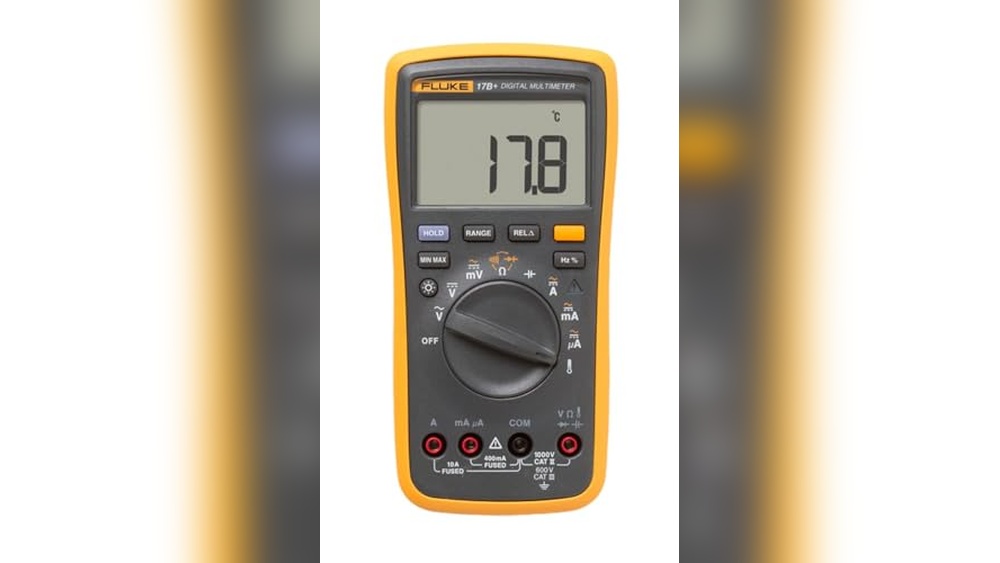
The Fluke 17B+ is the Best Fluke Multimeter for Electrical Engineering, offering reliable measurements across voltage, current, resistance, and temperature for precise diagnostics.

The Fluke 17B+ Digital Multimeter is designed for electrical applications, helping engineers and technicians measure AC/DC voltage up to 1000V, current up to 10A, resistance, continuity, and temperature. This versatile tool supports troubleshooting and maintenance tasks with safety and precision.
Using this multimeter feels straightforward and dependable, with clear readings and a built-in temperature function that adds extra value. Its safety rating ensures confidence when working on various electrical systems, reducing guesswork and saving time on diagnostics.
Key Advantages for Electrical Engineering
- CAT III 600V safety rating supports safe use in residential, commercial, and industrial settings.
- Accurate AC/DC voltage and current measurements up to 1000V and 10A for versatile applications.
- Essential functions including resistance, continuity, capacitance, and diode testing for thorough diagnostics.
- Temperature measurement with included type K thermocouple for heating and cooling system checks.
- Compact and lightweight design enhances portability on job sites.
- Clear digital display improves ease of reading values quickly and accurately.
Considerations Before Buying
- No advanced features like data logging or Bluetooth connectivity.
- Limited to 10A current measurement, which may not suit very high-current applications.
- Basic user interface might not appeal to users seeking more complex settings.
My Practical Take
This multimeter is ideal for electrical engineers who need a reliable, straightforward tool for common testing and troubleshooting tasks. It removes the uncertainty of electrical measurements by offering consistent accuracy and a strong safety rating.
For the best results, pair it with the included thermocouple for temperature readings when working with HVAC or thermal systems. The durable build and familiar Fluke quality provide peace of mind that your tool will last through frequent field use.
| Best for | Why |
|---|---|
| General electrical troubleshooting | Measures voltage, current, resistance, and continuity needed for most repair jobs |
| HVAC and temperature monitoring | Includes temperature testing with type K thermocouple for heating/cooling systems |
| Residential and commercial electricians | CAT III 600V safety rating for common electrical environments |
| Portable field work | Compact size and light weight for easy transport and use onsite |
Fluke 17b+ Digital Multimeter
The Best Fluke Multimeter for Electrical Engineering offering reliable measurements for diverse electrical tasks.
The Fluke 17B+ Digital Multimeter is designed for electrical professionals who need accurate readings across multiple measurements including AC/DC voltage, current, resistance, and temperature. It addresses common troubleshooting needs with essential features like diode testing and capacitance measurements.
Using this multimeter feels straightforward and dependable, providing consistent readings that help reduce guesswork. Its CAT III 600V safety rating adds confidence when working on residential or commercial electrical systems, making it a practical tool for daily tasks.
Key Advantages for Electrical Work
- High safety rating (CAT III 600V) for safe use in various environments
- Measures AC/DC voltage up to 1000V and current up to 10A for diverse applications
- Includes temperature testing with a type K thermocouple for HVAC and heating systems
- Diode and continuity tests simplify fault diagnosis
- Compact and lightweight for easy handling and portability
- Clear digital display for quick and precise readings
Considerations Before Buying
- No advanced data logging or Bluetooth connectivity for remote monitoring
- Limited to 10A current measurement, may not suit high-current industrial tasks
- Basic design without large backlit display may challenge use in low light
Who This Fits Best
This multimeter is ideal for electricians and engineers who need a reliable, versatile tool for everyday electrical troubleshooting and testing. It removes the uncertainty of inaccurate readings and provides safety features that protect both user and equipment.
For best results, pair it with the included thermocouple when monitoring temperature-related systems to expand its usefulness. Its dependable measurements offer peace of mind, reducing surprises during maintenance or repair work.
| Best for | Why |
|---|---|
| Residential and commercial electricians | Safe CAT III rating and versatile measurements cover common electrical tasks |
| HVAC technicians | Temperature testing with type K thermocouple helps monitor heating/cooling systems |
| Electrical engineering students | Comprehensive functions for learning and practical troubleshooting |
| General maintenance professionals | Compact design and multiple test modes for fast diagnostics across equipment |
Fluke 117 Digital Multimeter
The Fluke 117 Digital Multimeter stands out as the Best Fluke Multimeter for Electrical Engineering by offering precise voltage detection and versatile measurement features for professionals.

The Fluke 117 is a reliable digital multimeter designed for electrical engineers needing accurate readings of voltage, resistance, continuity, frequency, and capacitance. Its non-contact AC voltage detection using VoltAlert technology helps identify live wires safely and quickly. The automatic AC/DC voltage selection adds convenience for various measurement tasks.
Using this multimeter feels straightforward and efficient, even in dimly lit environments thanks to its large white LED backlight. Its low input impedance reduces false readings caused by ghost voltages, giving users confidence in the accuracy of their measurements. The device’s compact size and solid build make it easy to carry and handle on the job.
Key Features for Electrical Engineering
- Non-contact AC voltage detection enhances safety and speed
- AutoVolt automatic AC/DC voltage selection simplifies usage
- Low input impedance reduces false or ghost voltage readings
- Large white LED backlight supports work in poorly lit areas
- True RMS ensures accurate measurements on non-linear loads
- Long battery life of approximately 400 hours without backlight
- Compact and lightweight for easy portability on site
Considerations Before Buying
- Limited to standard edition without advanced customization options
- Operating temperature range may limit use in extreme environments
- No built-in data logging or Bluetooth connectivity
When This Multimeter Makes Sense
This multimeter suits electrical engineers who need a dependable and safe tool for routine voltage and resistance testing in residential or commercial settings. It removes the guesswork and hassle of false readings, allowing for quicker and more accurate diagnostics.
For best results, use the non-contact voltage detection first to identify live circuits before testing with leads. This approach increases safety and efficiency. Its consistent performance and trusted brand reputation provide peace of mind on every job.
| Best for | Why |
|---|---|
| Detecting live AC voltage safely | VoltAlert technology offers non-contact voltage detection |
| Fieldwork in dim or confined spaces | Bright LED backlight improves visibility in low light |
| Accurate measurements on complex loads | True RMS ensures precise readings on non-linear devices |
| Quick troubleshooting without false readings | Low input impedance minimizes ghost voltage interference |
Fluke 15b+ Digital Multimeter
The Best Fluke Multimeter for Electrical Engineering that provides reliable AC/DC voltage and current measurements for precise diagnostics.

The Fluke 15B+ Digital Multimeter is designed for electrical professionals who need accurate and safe measurements of voltage, current, resistance, and more. It supports measurements up to 1000V and 10A, making it suitable for a variety of electrical systems and troubleshooting tasks. Its CAT III 600V safety rating ensures protection when working in residential and commercial environments.
Using this multimeter feels straightforward and dependable, with clear readings that help cut down guesswork and testing time. Its compact size and essential features allow for comfortable handling during detailed inspections and repairs, providing confidence in your electrical work.
Key Benefits for Electrical Testing
- Accurate AC/DC voltage and current measurement up to 1000V and 10A
- Includes resistance, continuity, capacitance, and diode testing functions
- CAT III 600V safety rating for use in common residential and commercial settings
- Input terminal designed for reliable current measurements up to 10A
- Compact and lightweight design for easy portability and handling
- Bright yellow color for quick identification in toolkits
Considerations Before Buying
- Limited to a maximum current of 10A, not suited for high-current industrial applications
- No advanced features like data logging or Bluetooth connectivity
- Basic display without backlight may be less visible in low-light conditions
Who This Fits Best
This multimeter is ideal for electrical engineers and technicians working on residential or commercial systems who need reliable and safe measurements without extra complexity. It removes the hassle of inaccurate readings and uncertainty by offering clear and consistent results.
A quick tip is to always verify the category rating when testing systems to ensure safety and tool longevity. With the Fluke 15B+, you can expect fewer surprises on the job and peace of mind while diagnosing electrical issues. Its straightforward design matches a practical, no-nonsense approach to electrical testing.
| Best for | Why |
|---|---|
| Residential and commercial electrical work | Safe CAT III 600V rating and versatile measurement range |
| Basic troubleshooting of electrical panels and wiring | Measures voltage, current, resistance, and continuity easily |
| Engineers needing a reliable portable multimeter | Compact size and trusted Fluke brand for consistent performance |
| Users requiring a simple, no-frills multimeter | Focus on essential functions without unnecessary extras |
How To Choose The Right Digital Multimeter For Your Needs
Consider Your Typical Use Cases
Think about the electrical tasks you most frequently perform. If you work with residential or commercial wiring, a multimeter with safety ratings like CAT III 600V is essential. For automotive or HVAC applications, temperature measurement and diode testing may be more relevant.
Weigh Safety Features Against Functionality
Safety ratings protect you when measuring high voltages. However, more features like low input impedance or non-contact voltage detection can improve accuracy and ease of use. Decide which features align with the environments you work in.
Portability and Display
Consider the size and weight if you need a tool for field work. A backlit display or large digits can be helpful in low-light conditions.
Common Buyer Concerns When Selecting A Multimeter
Accuracy and Measurement Range
Accuracy varies between models. Confirm that the multimeter covers the voltage and current ranges you expect to measure. True RMS capability is important for measuring non-linear loads accurately.
Durability and Build Quality
Look for sturdy construction and safety certifications. Multimeters used in industrial settings need to withstand rough handling and electrical surges.
Ease of Use and Display Features
Some users prefer automatic range selection to simplify measurements. Others may want manual control for precision. Backlit screens and clear readouts reduce errors during testing.
Setup And Usage Tips For Digital Multimeters
Check Battery and Calibration
Always ensure the battery is fresh or fully charged before use. Periodic calibration maintains measurement accuracy, especially for professional applications.
Use Proper Test Leads and Accessories
Use the appropriate probes for the type of measurement. For temperature readings, ensure the thermocouple is correctly connected and compatible.
Follow Safety Precautions
Never exceed the maximum input limits. Always observe proper handling to avoid electric shock or damaging the device.
Frequently Asked Questions
What does CAT III 600V safety rating mean?
It indicates the multimeter can safely measure circuits connected to the building’s distribution panel, protecting against transient voltages up to 600 volts.
Why is True RMS measurement important?
True RMS provides accurate readings for AC signals that are not pure sine waves, common in modern electronics and variable speed drives.
Can I use a digital multimeter to measure temperature?
Yes, if the multimeter supports temperature measurement and includes or supports a compatible thermocouple probe.
What is the advantage of non-contact voltage detection?
This feature allows you to detect live wires without making direct contact, enhancing safety during initial checks.
How often should I calibrate my multimeter?
Calibration frequency depends on usage and standards but typically is recommended annually or after any significant impact or repair.
Final Thoughts On Selecting A Multimeter
Choosing a digital multimeter involves balancing safety, functionality, and ease of use. Understanding your specific testing needs helps narrow down the options. Reliable construction and appropriate measurement capabilities provide long-term value. Taking time to consider these factors will help you find a tool that serves your projects effectively and safely.

I’m Asif Ur Rahman Adib, an Electrical Engineer and lecturer. My journey began in the lab, watching students struggle with instruments they used every day without fully understanding them. Over time, I’ve combined teaching, research, and hands-on experience to help others grasp electrical concepts clearly, safely, and practically—whether it’s understanding a circuit or mastering a multimeter.