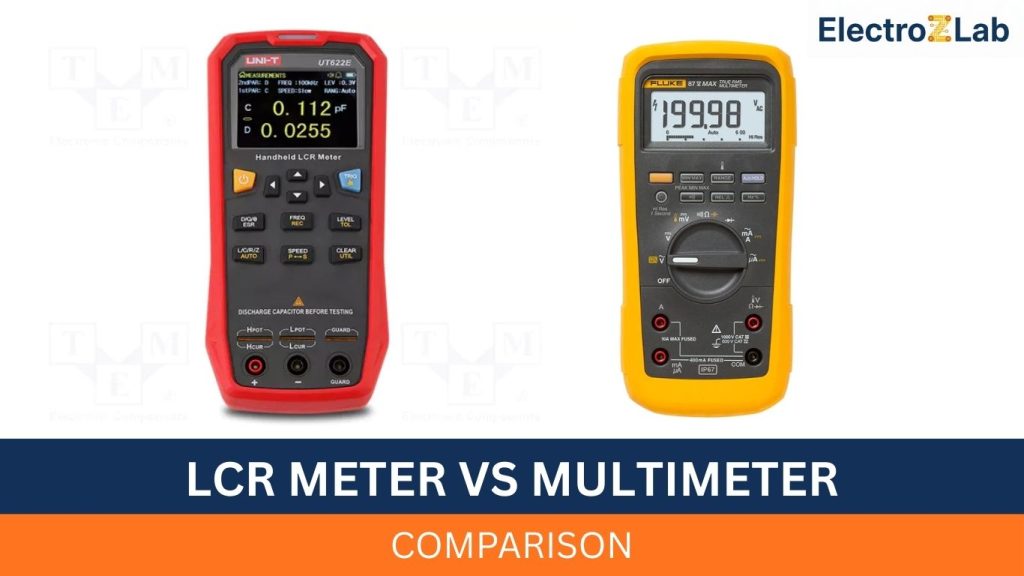
Working on boats means dealing with unique electrical systems. You need a multimeter that can handle moisture, salt, and sometimes rough conditions. The best multimeter for marine use combines accuracy with durability. It should be easy to read in bright sunlight and tough enough to withstand a splash or two. A reliable tool helps you quickly diagnose issues without second-guessing your readings. Whether you’re checking battery voltage or testing circuits, having the right multimeter makes the job smoother and safer. Let’s look at what makes a multimeter stand out for marine tasks.
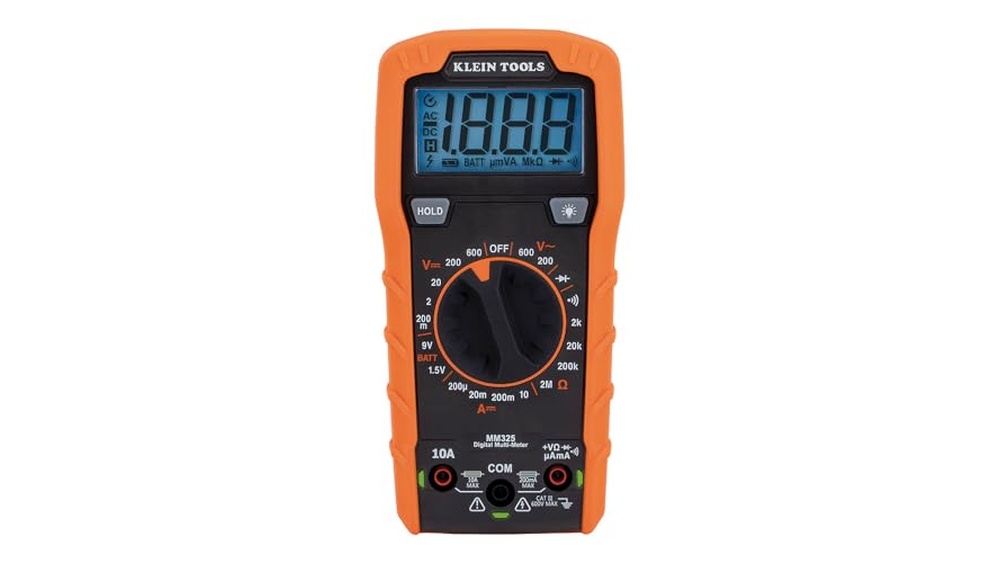
Klein Tools Mm325 Marine Multimeter
For boat owners and marine technicians, the Klein Tools MM325 is a reliable choice as the Best Multimeter for Marine Use to handle electrical testing on watercraft.
.ap-btn { transition: transform .15s ease, filter .15s ease; } .ap-btn:hover { transform: translateY(-1px); filter: brightness(.95); }
Key Features for Marine Electrical Work
| Voltage Range | Up to 600V AC/DC |
| Current Measurement | 10A DC |
| Special Feature | Lead-Alert Protection for safe connections |
| Display | Backlit LCD for low-light visibility |
The Klein Tools MM325 is a digital manual-ranging multimeter designed to measure voltage, current, resistance, and more. It addresses common challenges in marine electrical troubleshooting by offering a clear backlit display and a unique Lead-Alert feature that ensures test leads are properly connected, which is crucial on boats where safety and accuracy matter.
Using the MM325 feels straightforward and reliable. Its compact size and handy features like test lead holders and a kickstand make it practical for cramped or awkward marine environments. I appreciated how the battery test mode quickly helped verify power sources without extra tools, saving time during inspections.
Who Will Benefit Most From This Tool
This multimeter fits well for marine electricians, boat owners, and DIYers who work regularly on vessel electrical systems and need a dependable, easy-to-read tester. Its safety features and versatile measurement range suit the varied conditions found in marine environments.
However, if you require advanced functions like auto-ranging or specialized marine certifications, this model might feel limited. Users needing very high precision or extensive data logging should consider other options.
- Good for basic to intermediate marine electrical diagnostics
- Ideal for low-light or tight spaces on boats
- Easy to use even for less experienced users
- Not recommended for those needing advanced or automated features
A Thoughtful Choice for Marine Testing Needs
The Klein Tools MM325 offers a solid balance of functionality and safety for marine electrical tasks. It suits users who value clear readings and secure lead placement without fuss. If you often test batteries and circuits on boats, this multimeter can be a practical companion.
It may not satisfy professionals requiring extensive advanced options, but for most marine applications, it provides clear, dependable results. A good practice is to pair it with quality leads and keep it protected from moisture to extend its life. Overall, it’s a calm, trustworthy tool for routine marine electrical checks.
Fluke 15b+ Marine Multimeter
The Best Multimeter for Marine Use for boat owners and marine electricians needing reliable electrical measurements on vessels.
.ap-btn { transition: transform .15s ease, filter .15s ease; } .ap-btn:hover { transform: translateY(-1px); filter: brightness(.95); }
Real-World Use Highlights
- Accurate AC/DC voltage and current readings up to 1000V and 10A cover typical marine electrical systems.
- CAT III 600V safety rating ensures protection when working around boat electrical panels and wiring.
- Compact size and bright yellow color make it easy to spot and handle on a cluttered boat deck.
- Measures resistance, continuity, diode, and capacitance—helpful for diagnosing marine electronics and circuits.
- Input terminals designed for current measurements simplify testing without added adapters.
Insights for Marine Electricians
This multimeter is built for practical use in marine environments where safety and accuracy are crucial. It handles the common voltage and current ranges found on boats, helping you troubleshoot electrical issues confidently. The sturdy build and clear display make it a dependable tool that feels solid in hand without being bulky.
While it offers many essential functions, it doesn’t have advanced features like Bluetooth or data logging. If you need a straightforward, no-fuss tool for daily marine electrical tasks, this fits well. The yellow casing helps prevent accidental loss on deck.
Choosing the Right Tool for Marine Electrical Work
This Fluke multimeter suits marine electricians and boat owners who require dependable measurements for 12V and higher voltage systems onboard. Its safety rating and measurement range match typical marine scenarios well. If you prefer a simple, rugged device without extra tech bells, this is a solid choice.
However, if you want wireless connectivity or specialized marine-specific features, this model might feel limited. Also, users expecting a very compact pocket device may find it a bit larger than minimalist options.
- Good for troubleshooting boat batteries, wiring, and electrical panels
- Not ideal for advanced data logging or remote monitoring
- Reliable safety standards for marine electrical environments
- Bright color aids visibility on busy decks
Practical Advice for Marine Multimeter Buyers
For those who work with marine electrical systems regularly, this multimeter offers a trusted balance of safety, accuracy, and ease of use. It is best for users who want a straightforward tool that covers the essentials without complexity.
If you don’t need wireless features or ultra-compact size, this device will serve well for years. When using it on a boat, keep it dry and store it in an accessible spot to avoid misplacing it amid marine gear. This multimeter provides dependable readings that help you maintain your vessel’s electrical system with confidence.
Astroai Marine Digital Multimeter
The Best Multimeter for Marine Use for boat owners and marine technicians needing reliable electrical measurements in tough environments.
.ap-btn { transition: transform .15s ease, filter .15s ease; } .ap-btn:hover { transform: translateY(-1px); filter: brightness(.95); }
Using the AstroAI Multimeter on Your Vessel
- Measures voltage, current, resistance, continuity, and diode checks essential for marine electrical systems.
- Backlit LCD makes reading values easy even in dim engine compartments or at night.
- Double fuse and silicone cover offer added protection against overloads and shocks on a boat.
- Compact and lightweight, fitting comfortably in hand or pocket during marine maintenance.
- Auto shutoff and data hold features help conserve battery and capture readings efficiently.
Considerations for Marine Use
- Cannot measure all AC currents or AC voltages below 100mV, which may limit some specialized marine diagnostics.
- Manual rotary switch requires careful positioning to avoid incorrect readings.
- Test lead plugs must be fully and correctly inserted to ensure accurate results.
Thoughts on Marine Electrical Troubleshooting
This AstroAI multimeter is a straightforward tool for boat owners or marine electricians who need dependable readings without unnecessary complexity. It covers essential measurements that help diagnose battery health, wiring issues, and charging systems common in marine settings.
Though it has some limitations with low-level AC measurements, the overall design prioritizes safety and ease of use, which is valuable when working in damp or cramped spaces aboard a vessel. The backlit screen and lightweight build improve usability in challenging marine environments.
Guidance for Marine Enthusiasts
If you maintain your boat’s electrical system or troubleshoot marine electronics regularly, this multimeter offers practical features tailored for that environment. It is best suited for those who want reliability and basic versatility without advanced functions that might complicate routine checks.
However, if you require detailed AC current measurements or advanced diagnostics, this model might fall short. Remember to carefully follow the user manual, especially regarding test lead insertion and switch positioning, to avoid measurement errors.
A helpful tip: Always test the multimeter on a known power source before critical marine repairs to confirm accuracy. The device’s built-in safety measures provide peace of mind when working on sensitive marine circuits.
Astroai Digital Clamp Meter For Marine Use
The Best Multimeter for Marine Use for boat owners and marine electricians who need a reliable clamp meter for electrical diagnostics onboard.
.ap-btn { transition: transform .15s ease, filter .15s ease; } .ap-btn:hover { transform: translateY(-1px); filter: brightness(.95); }
Everyday Marine Electrical Checkpoints
| Voltage & Current Measurement | AC Voltage and AC Current only |
| Non-contact Voltage Detection | Alerts with sound and light |
| Safety Compliance | Overvoltage category III 600V |
| Portability | Lightweight and compact |
This AstroAI clamp meter is designed to measure AC voltage, AC current, resistance, capacitance, and continuity, making it a practical tool to diagnose electrical issues onboard a boat. It simplifies tracking down live wires with its non-contact voltage detection feature that uses audible and visual alarms, which is especially useful in marine environments where safety is critical.
Using it feels straightforward thanks to its clear LCD backlit screen and flashlight. The meter’s compact size and light weight make it easy to handle in tight spaces common on boats. Although it doesn’t measure DC current, its focus on AC electrical parameters fits many marine electrical systems well, giving confidence in everyday checks.
Who Finds This Handy and Who Might Look Elsewhere
This clamp meter suits marine professionals or enthusiasts who mainly deal with AC circuits on boats and need a versatile, easy-to-read tool for regular maintenance and troubleshooting. Its non-contact voltage feature is a great safety aid for fast checks without direct contact.
Those requiring DC current measurement or highly advanced diagnostics may find this unit limiting. If you often work with complex marine electrical systems or need detailed DC readings, you might prefer a multimeter with those capabilities.
- Ideal for AC voltage and current tests on boats
- Good for identifying live wires safely
- Compact and easy to carry on marine vessels
- Does not support DC current measurement
- Basic for advanced diagnostic needs
Consider This When Choosing a Marine Multimeter
If you mainly check AC electrical systems on a boat, this AstroAI clamp meter offers practical features without extra complexity. It’s a solid fit for routine inspections and simple troubleshooting.
However, if your work involves DC current or more specialized measurements, this model might not cover all your needs. In that case, complementing it with another device could be beneficial.
Keep in mind that reliable safety standards back this meter, which adds peace of mind during marine electrical work. Take your time getting familiar with its functions to make the most of its capabilities.
Choosing The Right Multimeter For Marine Use
When picking a multimeter for marine environments, focus on durability and water resistance first. Consider the voltage range you’ll need for typical boat systems. Portability matters because space can be tight on boats. Most people miss checking for backlit displays, which help in low-light conditions below deck. Safety ratings like CAT III or higher are crucial near electrical panels. Look for features like continuity tests and battery checks, which are handy on board. Keep in mind the ease of use with gloves or wet hands.
The 30-second Checklist For Marine Multimeters
- Is the multimeter easy to hold and operate in tight spaces?
- Does it have a backlit display for dark or dim areas?
- Can it measure the voltage range common to marine electrical systems?
- Is it rated for safety in environments with potential moisture exposure?
- Does it include continuity and battery test functions?
- Are the leads and connectors sturdy and secure for marine conditions?
Preventing Regrets When Buying A Marine Multimeter
Regret #1: Buying a multimeter without a clear safety rating. This can put you at risk on a boat’s electrical system. Always verify the safety category before purchase.
Regret #2: Choosing a device without a backlit screen. Poor lighting on boats can make readings difficult. Opt for models with clear, illuminated displays.
Regret #3: Overlooking the size and grip of the multimeter. Slippery or bulky meters are hard to use on a moving vessel. Pick compact, ergonomic models with good grip.
Best Multimeter For Marine Use: Quick Decision Table
| If you want… | Look for this | Avoid this |
|---|---|---|
| Accurate voltage readings up to 600V | Manual-ranging multimeter like Klein Tools MM325 | Basic models without manual range selection |
| High safety standards and reliability | Fluke 15B+ with CAT III 600V rating | Unrated or low safety category devices |
| Compact and lightweight for easy handling | AstroAI Digital Multimeter Tester (AM33D) | Large, heavy clamp meters for tight spaces |
| Non-contact voltage detection for quick checks | AstroAI Digital Clamp Meter (CM2K0R) | Multimeters without NCV or clamp features |
| Backlit display for use in dim areas | Models with clear LCD backlight features | Units lacking illuminated screens |
Tips For Using Your Multimeter On A Boat
- Always dry your hands and meter before use to avoid slips and electrical hazards.
- Use the backlit display feature when working in cabins or at night for better visibility.
- Secure test leads properly to avoid loose contacts caused by boat movement.
- Store your multimeter in a dry, padded case to protect it from moisture and shocks.
- Regularly check battery levels and replace them to ensure consistent performance.
Best Multimeter For Marine Use: Frequently Asked Questions
Can I use a regular multimeter on my boat?
Yes, but it’s best to use one with a proper safety rating and features suited for marine conditions. Moisture and vibrations on boats require more robust tools.
What safety rating should a marine multimeter have?
Look for a CAT III 600V rating or higher to handle most marine electrical systems safely. This helps protect you from electrical surges and faults.
Is a backlit display necessary for marine use?
While not mandatory, a backlit display is very helpful in low-light areas such as engine rooms or cabins. It improves readability and reduces errors.
How important is the size and weight of the multimeter on a boat?
Size and weight matter because space is limited and you often work in tight spots. A compact and lightweight meter is easier to handle and store.
Can clamp meters be useful on a boat?
Clamp meters are useful for measuring current without disconnecting wires, but some models may not measure DC current, which is common on boats. Check specs carefully.
How should I maintain my multimeter for marine use?
Keep it dry, clean, and store it in a protective case. Replace batteries regularly and inspect test leads for wear to ensure reliable operation.
What if the multimeter shows noisy or unstable readings?
Noise can come from loose leads or interference. Make sure connections are secure and avoid placing the meter near strong electromagnetic sources.
Final Thoughts On The Best Multimeter For Marine Use
Choosing the right multimeter for marine use means balancing safety, usability, and durability. Look for models with solid safety ratings and features that match your typical onboard tasks. Pay attention to display visibility and ease of handling in confined spaces.
If unsure, the simplest tie-break rule is to pick the multimeter that feels most comfortable and reliable when you hold it, as this will help you work confidently in marine environments.

I’m Asif Ur Rahman Adib, an Electrical Engineer and lecturer. My journey began in the lab, watching students struggle with instruments they used every day without fully understanding them. Over time, I’ve combined teaching, research, and hands-on experience to help others grasp electrical concepts clearly, safely, and practically—whether it’s understanding a circuit or mastering a multimeter.