Are you confused about which multimeter category is right for your work—Cat 2 or Cat 3? Choosing the wrong one could risk your safety or lead to inaccurate readings.
This guide will help you understand the key differences between Cat 2 and Cat 3 multimeters, so you can pick the perfect tool for your needs. By the end, you’ll feel confident making the right choice every time. Keep reading to protect yourself and get the job done right.
Cat Ratings Explained
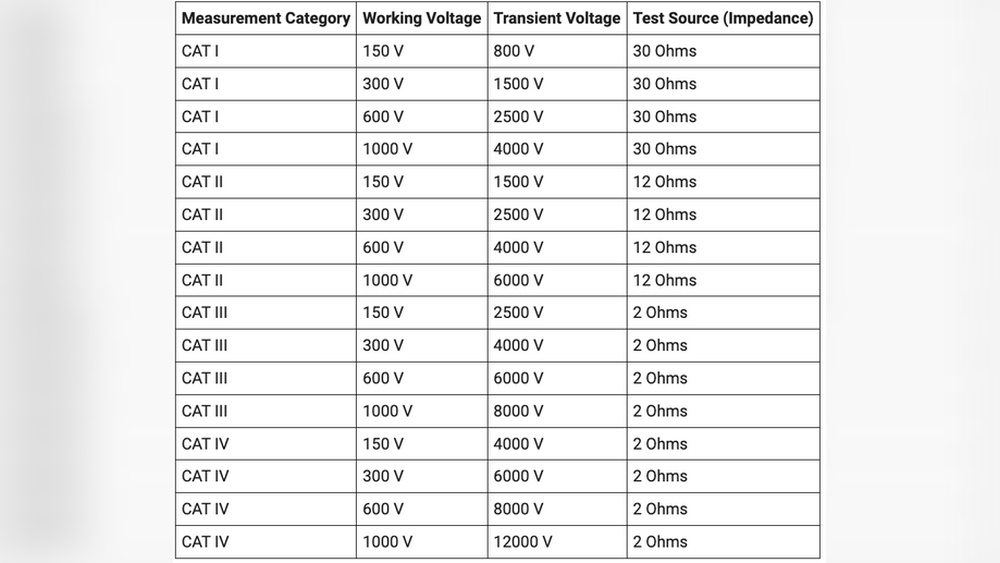
Cat ratings show the safety level of a multimeter. They help users know where the tool can be used safely. Understanding these ratings prevents accidents and damage. Each rating matches specific electrical environments and risks.
What Cat 2 Means
Cat 2 rating covers simple circuits like household appliances. It is safe for testing devices plugged into outlets. This rating handles low energy spikes and short surges. It protects users from common electrical hazards in homes.
What Cat 3 Means
Cat 3 rating is for building wiring and equipment. It handles higher energy levels and stronger surges. This rating suits testing switchgear, distribution panels, and industrial machines. It offers better protection in tougher electrical environments.
Importance Of Cat Ratings
Cat ratings guide users to pick the right multimeter. Using the correct rating reduces the risk of electric shock. It also prevents damage to the tool and the circuit. Following ratings ensures safety for both people and equipment.
Credit: www.fluke.com
Safety Features Compared
Safety is a top concern when choosing between Cat 2 and Cat 3 multimeters. Both categories offer protection but differ in design and use. Understanding their safety features helps avoid accidents and damage. This section breaks down key safety aspects.
Insulation And Overvoltage Protection
Cat 3 multimeters have stronger insulation than Cat 2 models. This helps them handle higher voltage spikes safely. Overvoltage protection in Cat 3 is more robust. It guards against sudden voltage surges from industrial or building wiring. Cat 2 meters suit low energy circuits with lighter insulation. Choosing the right insulation level is critical for user safety.
Fuses And Internal Construction
Fuses in Cat 3 meters are designed to blow faster during faults. This stops dangerous current flow quickly. Internal parts in Cat 3 multimeters are built tougher. They can survive harsh conditions and higher energy levels. Cat 2 meters have simpler fuse setups. Their internal build suits lighter electrical environments. Strong fuses and solid construction reduce injury risks.
User Safety Considerations
Users must match the multimeter category to the task. Cat 3 meters protect better in industrial or commercial settings. Cat 2 meters fit home or low-energy work. Always check the meter’s rating before use. Use proper personal protective equipment too. Safe handling and correct tools prevent shocks and burns. Safety features work best with smart user choices.
Accuracy Differences
Accuracy differences between Cat 2 and Cat 3 multimeters affect how precise your readings are. Both types have different designs and safety ratings that influence measurement accuracy. Understanding these differences helps you choose the right tool for your needs.
Measurement Precision
Cat 3 multimeters usually offer better measurement precision than Cat 2 models. They are built to handle higher energy levels safely. This focus often leads to finer internal components. These parts reduce errors in voltage and current readings. Cat 2 meters work well for low-energy circuits but may have larger error margins.
Impact Of Environment On Accuracy
Environmental factors can change the accuracy of both Cat 2 and Cat 3 multimeters. Dust, moisture, and temperature shifts affect sensor performance. Cat 3 meters are often sealed better against these conditions. They maintain stable accuracy even in tougher environments. Cat 2 meters may lose precision faster under harsh conditions.
Calibration Frequency
Calibration keeps a multimeter’s accuracy reliable. Cat 3 multimeters usually need calibration more often. Their advanced features require regular checks to stay precise. Cat 2 meters might need calibration less frequently but can drift over time. Regular calibration is key to accurate measurements regardless of the category.

Credit: www.youtube.com
Use Case Scenarios
Choosing the right multimeter category is vital for safety and accuracy. Each category suits different environments and electrical systems. Understanding use cases helps avoid damage and injury. Below, explore where Cat 2 and Cat 3 multimeters fit best.
Suitable Applications For Cat 2
Cat 2 multimeters work well with low energy circuits. They are ideal for household electronics and appliances. Use them for testing power strips, portable tools, and small devices. Cat 2 suits circuits directly connected to outlets but not to the main electrical panel. Perfect for light fixtures and wall switches too. These meters handle lower voltage spikes safely.
When To Use Cat 3
Cat 3 multimeters suit building wiring and fixed installations. Use them for circuit breakers, distribution panels, and industrial equipment. They handle higher energy surges and stronger electrical fields. Cat 3 is needed for testing wires inside walls or large appliances. Use it in commercial buildings or factories for safety. Cat 3 meters protect against voltage spikes from heavy machinery.
Avoiding Misuse
Never use a Cat 2 meter in a Cat 3 environment. This risk causes meter damage or electric shock. Avoid using Cat 3 meters on low energy circuits only. It may not give accurate readings. Always check the category rating before testing. Follow safety guidelines and use proper protective gear. Correct use ensures long meter life and user safety.
Choosing The Right Multimeter
Selecting a multimeter depends on your needs and work environment. Cat 2 and Cat 3 multimeters serve different purposes. Understanding their differences helps in making the right choice. Safety, cost, and reliability play key roles here.
Knowing what you require from a multimeter ensures better performance and safety. Let’s explore the factors to consider before buying one.
Budget Vs Safety Needs
Price often influences the choice between Cat 2 and Cat 3 multimeters. Cat 2 models usually cost less. They suit low energy environments like household appliances.
Cat 3 multimeters are safer for industrial or commercial electrical systems. They protect better against high energy spikes. Spending more on safety can prevent accidents and damage. Balance your budget with the level of safety you need.
Brand And Certification Checks
Choose well-known brands with good reviews. Trusted brands follow strict safety standards. Look for certification marks such as UL, CE, or IEC. These show the multimeter meets safety and quality rules. Avoid cheap, uncertified tools that risk your safety.
Long-term Reliability
Durability matters for frequent use. Cat 3 multimeters often last longer in tough conditions. Check the build quality and warranty offered. Reliable tools save money by reducing replacements. A good multimeter works accurately over time.
Credit: www.testequity.com
Maintenance Tips
Proper maintenance keeps your multimeter accurate and safe to use. Regular care extends the tool’s life and avoids costly repairs. Follow simple steps to protect your Cat 2 or Cat 3 multimeter from damage and failure.
Regular Testing Procedures
Check your multimeter’s functions often. Test the battery voltage and display before use. Make sure the probes and leads have no cracks or breaks. Perform a continuity test to verify the meter reads correctly. Replace batteries when the display dims or readings become unstable. Routine testing ensures reliable results every time.
Storage And Handling
Store your multimeter in a dry, cool place. Avoid exposure to moisture and extreme temperatures. Use a protective case to shield the device from dust and drops. Keep the leads coiled loosely to prevent wire damage. Handle the multimeter gently to avoid internal faults. Proper storage keeps your meter ready for safe use.
Replacing Parts Safely
Use only parts that match your multimeter’s model and rating. Turn off and disconnect the meter before replacing batteries or fuses. Follow the user manual instructions carefully. Wear gloves to protect from electric shock when working with internal components. Test the meter after part replacement to confirm proper operation. Safe replacement keeps your tool accurate and secure.
Frequently Asked Questions
What Is The Main Difference Between Cat 2 And Cat 3 Multimeters?
Cat 3 multimeters have higher safety ratings than Cat 2. They can handle higher energy spikes and are suitable for distribution level testing. Cat 2 is designed for lower energy environments like household appliances and portable devices.
Which Multimeter Category Is Safer For Industrial Use?
Cat 3 multimeters are safer for industrial use. They are built to withstand higher transient voltages found in fixed installations. Cat 2 multimeters are less robust and better suited for general household or electronic device measurements.
Can I Use A Cat 2 Multimeter For Cat 3 Tasks?
Using a Cat 2 multimeter for CAT 3 tasks is not recommended. Cat 2 meters lack sufficient protection against high-energy transients. This can lead to inaccurate readings or damage to the multimeter, posing safety risks.
How Do Cat Ratings Affect Multimeter Safety?
CAT ratings define a multimeter’s ability to handle voltage spikes. Higher CAT ratings mean better protection and safety. They help users choose the right meter for specific electrical environments, reducing risks of injury or equipment damage.
Conclusion
Choosing between Cat 2 and Cat 3 multimeters depends on your needs. Cat 2 suits simple home or small appliance tasks. Cat 3 is better for industrial or building wiring work. Always pick a multimeter with the right safety rating.
This helps protect you from electrical shocks. Understanding these differences keeps your work safe and accurate. Remember, the right tool makes every job easier and safer.

I’m Asif Ur Rahman Adib, an Electrical Engineer and lecturer. My journey began in the lab, watching students struggle with instruments they used every day without fully understanding them. Over time, I’ve combined teaching, research, and hands-on experience to help others grasp electrical concepts clearly, safely, and practically—whether it’s understanding a circuit or mastering a multimeter.