Choosing Between Two Fieldpiece Combustion Analyzers
When looking for a combustion analyzer, many buyers find themselves stuck between two solid options from Fieldpiece. The Fieldpiece Cat45 and Cat85 both offer features that seem quite similar at first glance. This can make the decision harder than it looks. Each tool has unique strengths that suit different needs. This article will help clear up the confusion. You’ll get a better idea of which tool fits your work style and requirements.
Reasons This Choice Feels Complicated
First, marketing messages can blur the lines. Both products are promoted with strong claims, but not all features matter equally to every user. This can cause buyers to focus on the wrong specs.
Second, the technical specifications overlap in some areas. For example, both analyzers measure combustion gases and draft pressure, which makes it tough to see the practical differences.
Third, priorities differ by user. Some want simplicity and reliability, others need extra features like live draft readings. Without clear guidance, it’s easy to pick a tool that doesn’t suit your actual needs.
Who Buys These Combustion Analyzers?
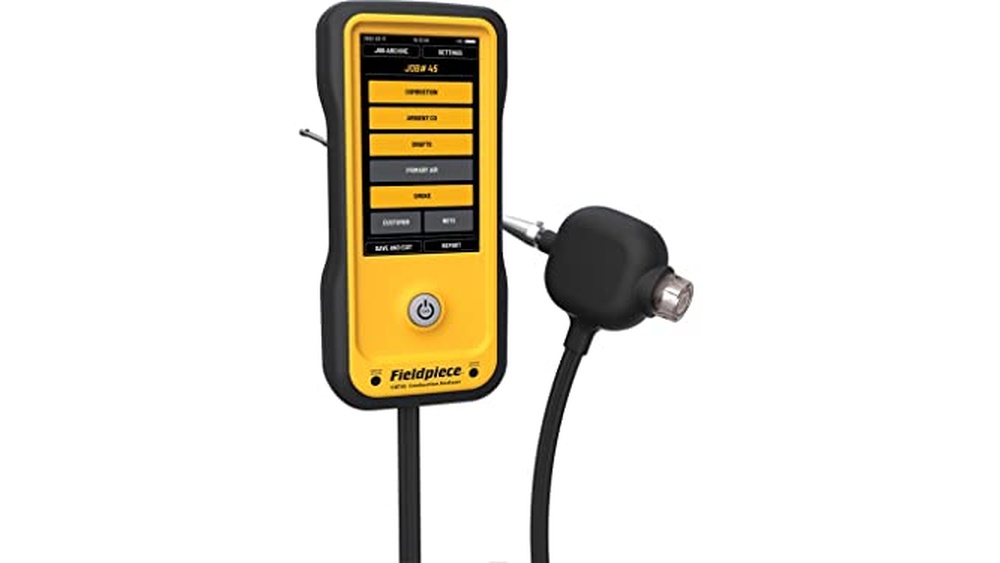
The casual HVAC technician who needs basic combustion measurement will likely appreciate the straightforward design of the Fieldpiece Cat45. It covers essential functions without extra bells and whistles.
The professional who works on a range of heating systems and requires live draft readings and a built-in manometer might lean toward the Fieldpiece Cat85. It offers more detailed data in real time.
A budget-conscious buyer will find the Cat45 more fitting. It generally costs less and handles common tasks effectively.
Those who value having a tool with multiple measurement capabilities and built-in draft monitoring tend to prefer the Cat85. It combines convenience with advanced features.
If portability and weight are important, note that the Cat85 is heavier, which could affect daily use. In this case, Cat45 fits better.
Overall, the Cat45 suits users looking for simplicity. The Cat85 fits those wanting more detailed diagnostics and monitoring.
Where Fieldpiece Cat45 Fits Naturally
In my daily work, the Cat45 feels dependable and easy to handle. It’s not overly complex, which saves time on setup. The size is comfortable for long jobs.
Over time, the Cat45 stays consistent and does what I expect without surprises. Its straightforward display keeps things clear. It’s a reliable companion for routine combustion analysis.
One limitation I noticed is the lack of live draft readings. If you need that feature often, this could slow your workflow.

What works well over time
- Simple, clear interface
- Accurate measurement of O2, CO, CO2
- Lightweight and easy to carry
- Quick setup and calibration
- Consistent performance in typical HVAC tasks
Things that may bother some users
- No live draft readings
- Lacks built-in manometer
- Limited advanced features for diagnostics
- Basic data display compared to more advanced models
Where Fieldpiece Cat85 Makes More Sense
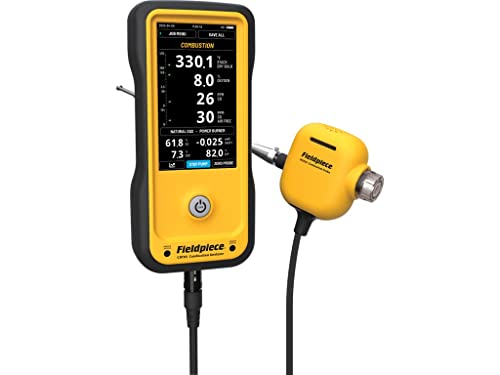
I find the Cat85 valuable when I need detailed insights during combustion analysis. The live draft readings and built-in manometer offer data that helps with fine adjustments on complex systems.
Its weight is noticeable but manageable, especially given the extra features. For long-term use, it feels like a more comprehensive tool for pro technicians.
One drawback is the slightly steeper learning curve. The extra information requires more attention to interpret properly.
What works well over time
- Live draft readings for precise adjustments
- Built-in manometer adds convenience
- Accurate gas measurements like Cat45
- Durable build suitable for frequent use
- Expanded data for troubleshooting
Things that may bother some users
- Heavier and bulkier than simpler models
- More complex interface can slow beginners
- Requires more time to interpret results
Early Decision Signals Most Buyers Notice
The first thing buyers notice is the tool’s weight and size. Cat45 is lighter, making it easier to carry all day. Cat85, with added features, weighs more.
Next is the display information. Cat45 shows essential data clearly. Cat85 provides more live readings, which appeals to users needing detailed diagnostics.
Setup comfort also stands out. Cat45 sets up quickly with fewer steps. Cat85 might take longer to get everything ready due to extra sensors.
Learning curve matters. Cat45 is straightforward, suitable for quick use. Cat85 needs some time to fully understand all its features.
Lastly, price can influence early decisions. Cat45 is generally more affordable, fitting tighter budgets.
Comparing Early Decision Signals
Here’s a quick look at how the Fieldpiece Cat45 and Cat85 compare on key early decision points.
| Decision signal (before buying) | Fieldpiece Cat45 | Fieldpiece Cat85 |
|---|---|---|
| Weight and portability | Lighter, easier to carry | Heavier due to extra features |
| Display information | Basic, clear data | Live draft and manometer readings |
| Setup comfort | Quick, simple setup | Longer setup with sensors |
| Learning curve | Easy to use | Requires more time to learn |
| Price | More budget-friendly | Higher cost for advanced features |
What Living With These Products Feels Like
Maintenance for both devices is straightforward, but Cat85’s extra sensors may need occasional calibration checks. Cat45’s simpler design reduces this need.
Both analyzers deliver consistent readings after initial setup. Users can trust their measurements for HVAC diagnostics over time.
Minor annoyances include the Cat85’s bulk and heavier weight, which can cause fatigue during long jobs. Cat45’s limited features might frustrate users needing more data.
Trust builds gradually. Both models are reliable, but knowing your tool’s limits helps avoid surprises on the job.
Long-term Ownership Comparison
Here’s how each model stands up after weeks or months of regular use.
| Ownership reality (after weeks/months) | Fieldpiece Cat45 | Fieldpiece Cat85 |
|---|---|---|
| Reliability | Consistent, low maintenance | Reliable, requires sensor checks |
| Habit fit | Easy to integrate into daily tasks | Better for detailed diagnostics |
| Mental load | Low, simple to interpret data | Higher, more data to analyze |
| Satisfaction | Good for basic combustion needs | Great for advanced troubleshooting |
| Durability | Lightweight but sturdy | Built tough, a bit heavier |
Common Mistakes Buyers Make
One mistake is choosing based on price alone. Cheaper doesn’t always mean better if you need advanced features. Consider what you actually use.
Another is ignoring weight and size. A heavier tool can cause fatigue, especially if you carry it all day. Test how comfortable it feels before buying.
Some buyers overlook the learning curve. A more complex tool like Cat85 demands time to master. Don’t rush into buying without training.
Assuming both analyzers provide the same data is risky. Cat45 lacks live draft readings, which can be crucial for some jobs.
Finally, not checking long-term support and calibration needs may lead to issues. Plan for maintenance before making a choice.
Making The Right Choice For Your Situation
If you want a reliable, easy-to-use combustion analyzer that covers basics well, the Fieldpiece Cat45 is a good fit. It suits technicians who value simplicity and portability.
If your work demands detailed monitoring, including live draft readings and built-in manometer, the Fieldpiece Cat85 is better. It’s designed for pros who need comprehensive data on the spot.
Remember, the best choice depends on your daily tasks and preferences. Specs alone don’t tell the whole story. Focus on what fits your workflow and comfort.
Faqs About Fieldpiece Cat45 Vs Cat85
What are the main differences between the Fieldpiece Cat45 and Cat85?
The Cat85 includes live draft readings and a built-in manometer, while the Cat45 focuses on core combustion measurements without these extras.
Which analyzer is lighter and easier to carry?
The Fieldpiece Cat45 is lighter and more portable, making it easier to carry for long periods.
Is the Cat85 more difficult to learn?
Yes, the Cat85 has a steeper learning curve due to its advanced features and additional data displays.
Can the Cat45 measure draft pressure?
Yes, the Cat45 measures draft pressure but does not provide live draft readings like the Cat85.
Which product is better for basic HVAC work?
The Cat45 fits basic HVAC needs well with its straightforward design and essential measurements.
Does the Cat85 require more maintenance?
It may require occasional sensor calibration checks due to its additional features, unlike the simpler Cat45.
Are both analyzers made by the same manufacturer?
Yes, both are made by FIELDPIECE INSTRUMENTS, INC.
Where can I buy these analyzers?
Both Fieldpiece Cat45 and Cat85 are available online, including on Amazon with authorized sellers.

I’m Asif Ur Rahman Adib, an Electrical Engineer and lecturer. My journey began in the lab, watching students struggle with instruments they used every day without fully understanding them. Over time, I’ve combined teaching, research, and hands-on experience to help others grasp electrical concepts clearly, safely, and practically—whether it’s understanding a circuit or mastering a multimeter.