Choosing Between Two Fieldpiece Leak Detectors
When looking for a refrigerant leak detector, deciding between the Fieldpiece DR58 and DR82 can be confusing. Both claim high sensitivity and similar features. The choice is not just about specs but how they fit your work style. This decision feels harder because both tools are from the same brand and look quite similar. Here, you’ll get a clear view to help make an informed choice. Understanding the subtle differences matters.
Why Picking Between These Models Is Tricky
First, marketing uses buzzwords like “ultra-sensitive” and “long-lasting,” which can blur real differences. It’s easy to get lost in these claims without seeing practical contrasts.
Second, the specs show close numbers, such as leak sensitivity and probe length. But numbers alone don’t capture user experience or daily convenience. This adds to the confusion.
Third, buyers often focus on features that don’t align with their actual priorities, like sensor lifespan versus battery life. Wrong priorities can lead to a mismatch with your real needs.
Who Benefits Most From Each Leak Detector
For someone who needs quick, short inspections and values portability, the DR82 suits well. It is lightweight and has a long probe for tight spaces.
If you work in varied environments and want a device that resists moisture and oil while lasting through many inspections, the DR58 fits better.
Those who prefer simple, clear indicators and easy battery charging might lean toward the DR58 with its backlit LCD and 18-hour battery life.
Buyers who want the longest sensor life for less frequent replacements may find the DR82’s 10-year sensor appealing.
For users who value a compact tool with a longer probe and slightly lighter weight, the DR82 is a natural choice.
Overall, the DR58 matches well for durability and battery longevity, while the DR82 works best for lightweight, flexible use.
Where The Dr58 Fits Naturally
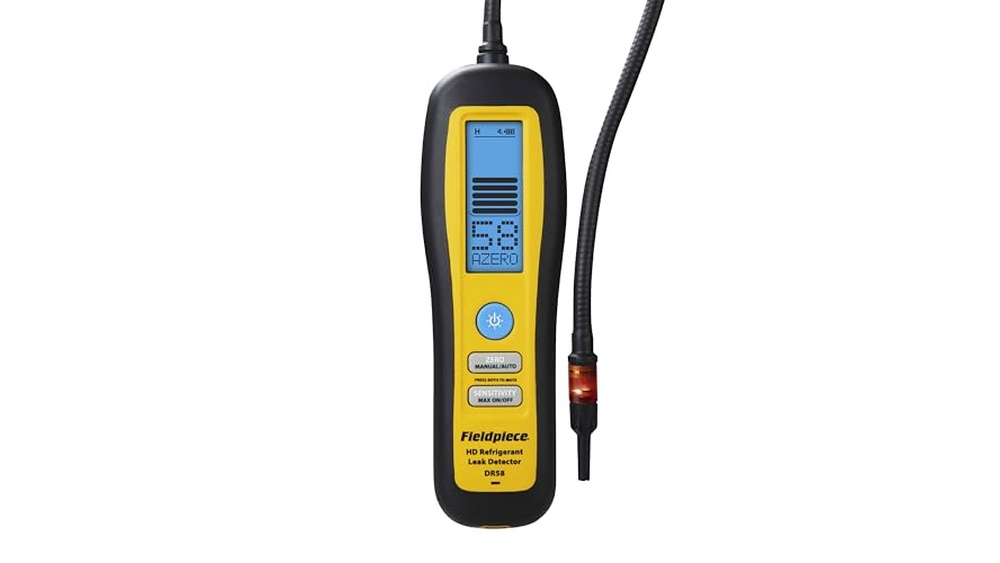
I use the DR58 daily when doing HVAC maintenance that requires detecting tiny leaks fast. Its heated diode sensor feels reliable and tough against moisture. The 18-hour battery life means fewer charges during busy days.
Over time, the DR58’s solid build and clear LCD screen make it a dependable tool in my kit. It handles rough use well without sensor issues.
One downside is the weight; it is heavier than the DR82, which can tire your hand if used for hours nonstop.

What works well over time
- Durable sensor resists moisture and oil
- Long battery life supports extended use
- Clear backlit LCD for easy leak reading
- Replaceable filter tips extend sensor life
- Good for detecting all common refrigerants
Things that may bother some users
- Heavier weight can cause hand fatigue
- Shorter probe length compared to DR82
- Sensor life shorter than DR82’s infrared sensor
Where The Dr82 Makes More Sense
I find the DR82 handy when I need a lightweight and longer probe to reach tight or extended spaces. The infrared sensor feels very sensitive and lasts a long time without replacement.
Its smaller size and 10+ hour battery life make it easier to carry around and use for quick inspections. The backlit LCD and LED tip are clear and helpful.
One limitation is the slightly shorter battery life compared to the DR58, which may require more frequent charging on heavy days.

What works well over time
- Infrared sensor with 10-year life
- Lightweight and easy to handle
- Long 17-inch probe for tight spaces
- Backlit LCD and LED tip for clear readings
- Compatible with all common refrigerants
Things that may bother some users
- Battery life shorter than DR58’s 18 hours
- Longer physical length may be cumbersome
- Less robust against moisture than DR58 sensor
Early Decision Signals Most Buyers Notice
One key signal is the sensor type: heated diode vs. infrared. This affects sensitivity and expected sensor lifespan.
Battery life stands out early. The DR58 offers longer use between charges, which some users value highly.
The physical size and weight quickly shape impressions. Those wanting a lighter tool often lean toward the DR82.
Probe length is another factor. The DR82’s 17-inch probe is better for reaching deep or narrow areas.
Finally, the color and design may subtly influence comfort and ease of use in work environments.
Decision Signals Comparison
This table highlights key early signals that buyers consider before committing to a choice.
| Decision signal (before buying) | Fieldpiece DR58 | Fieldpiece DR82 |
|---|---|---|
| Sensor Type | Heated diode, 300-hour sensor life | Infrared, 10-year sensor life |
| Battery Life | 18-hour USB rechargeable | 10+ hour USB-C rechargeable |
| Weight | 3.0 pounds | 1.0 pound |
| Probe Length | 17 inches | 17 inches |
| Size (HxWxL) | 10″ x 8″ x 10″ | 6″ x 8″ x 30″ |
| Color | Yellow | Black |
What Living With These Leak Detectors Feels Like
Maintenance for both involves replacing filter tips regularly. The DR82’s longer sensor life means less sensor replacement hassle.
Both models provide consistent leak detection when used properly. Sensor type affects how they react to environmental factors.
Minor annoyances include the DR58’s weight and the DR82’s longer physical length, which can affect comfort during extended use.
Trust grows with experience. The DR58 feels sturdy and reliable, while the DR82 impresses with its sensor longevity.
Battery charging routines differ slightly, but both offer USB options that fit modern work habits.
Long-term Ownership Comparison
Here is how these products compare after weeks or months of use.
| Ownership reality (after weeks/months) | Fieldpiece DR58 | Fieldpiece DR82 |
|---|---|---|
| Reliability | Strong sensor durability; occasional weight fatigue | Very reliable sensor; lighter tool eases use |
| Fit with Work Habits | Better for longer sessions; stable grip | Great for quick checks and mobility |
| Mental Load | Long battery reduces charging worry | Long sensor life reduces replacement concern |
| User Satisfaction | High for durability and battery life | High for lightweight and sensor longevity |
| Maintenance Frequency | Filter tip changes; sensor replacement sooner | Filter tip changes; sensor lasts years |
| Ergonomics | Heavier, bulkier | Lighter, longer probe may feel awkward |
Common Mistakes Buyers Make
One mistake is focusing only on sensor life. While important, battery life and weight also impact daily use. Balance these factors.
Another error is ignoring probe length needs. If you often reach tight or deep spots, the longer probe matters more.
Some buyers overlook the tool’s weight and size. A heavier detector can cause fatigue over time.
Choosing based on color or design without checking specs can lead to regret. Practical features should guide the choice.
Finally, buyers sometimes expect identical performance from both. Knowing each sensor type’s strengths helps set realistic expectations.
Making The Right Choice For Your Situation
If you want a durable, reliable leak detector with long battery life for extended use, the Fieldpiece DR58 is a solid fit. It handles moisture well and offers clear indicators.
For those needing a lightweight, long-probe tool with an infrared sensor designed to last years, the Fieldpiece DR82 is preferable. It suits fast inspections and tight spaces.
Remember, the best choice depends on your daily work habits and priorities, not just specs. Matching the tool to your needs leads to better satisfaction.
Faqs About Fieldpiece Dr58 Vs Dr82
What is the main difference between the DR58 and DR82 sensors?
The DR58 uses a heated diode sensor with about 300 hours life, while the DR82 uses an infrared sensor lasting up to 10 years. This affects longevity and sensitivity.
Which model has better battery life?
The DR58 offers about 18 hours of USB rechargeable battery life, longer than the DR82’s 10+ hours with USB-C charging.
Are both detectors compatible with all refrigerants?
Yes, both work with common refrigerants such as HFC, CFC, HCFC, HFO, and blends used in HVACR systems.
Which tool is lighter and easier to carry?
The DR82 is lighter at around 1 pound, compared to the DR58 which weighs about 3 pounds.
Does probe length differ between these two models?
Both have a 17-inch flexible probe, useful for tight or hard-to-reach spaces.
Is one model better for harsh environments?
The DR58’s sensor is rated IP54 and resists moisture and oil, making it slightly more durable in tough conditions.
How do the LCD displays compare?
Both have large backlit LCD screens and LED tips to help pinpoint leaks clearly and easily.
Which product is better for long-term use?
The DR82’s infrared sensor offers longer sensor life, while the DR58 provides longer battery life and slightly more durability against moisture.

I’m Asif Ur Rahman Adib, an Electrical Engineer and lecturer. My journey began in the lab, watching students struggle with instruments they used every day without fully understanding them. Over time, I’ve combined teaching, research, and hands-on experience to help others grasp electrical concepts clearly, safely, and practically—whether it’s understanding a circuit or mastering a multimeter.