Choosing Between Two Trusted Fluke Multimeters
When looking for a reliable multimeter, the choice between the Fluke 175 ESFP and Fluke 177 can be confusing. Both models come from a reputable brand and offer solid features for electrical testing. However, their differences might not be obvious at first glance. Buyers often struggle to understand which one fits their specific needs. This article aims to clarify the strengths and limitations of each. With clear points, you can make a more confident decision.
What Makes This Comparison Tricky
Marketing materials often highlight many similar features for both multimeters, making it hard to see real differences. This noise can overwhelm buyers who want straightforward guidance.
Specifications can be technical and dense. Some users find it difficult to interpret terms like true RMS, counts, or auto-ranging without experience. This adds to the confusion.
Buyers sometimes focus on less important specs rather than what fits their daily tasks. Prioritizing the wrong details leads to second-guessing after purchase.
Who Benefits Most From Each Fluke Model
For the casual DIYer who needs basic troubleshooting, the Fluke 175 ESFP covers essential functions without extra complexity. It fits well for occasional use and simple electrical checks.
Electricians who require precise and fast updates might lean toward the Fluke 177. Its higher counts and additional memory functions help in detailed diagnostics.
Those who prioritize battery life and power-saving features may appreciate the automatic shutoff of the Fluke 177. It helps avoid battery drain during breaks.
Buyers who want a straightforward interface with manual and automatic ranging will find the Fluke 175 easier to use initially. It balances simplicity and accuracy.
Professionals who value a slightly faster update rate and bar graph display for visual feedback may choose the Fluke 177. It adds a layer of convenience for live monitoring.
Overall, the Fluke 175 suits users seeking reliable basics, while the Fluke 177 fits those needing advanced measurement features.
Where Fluke 175 Esfp Fits Naturally
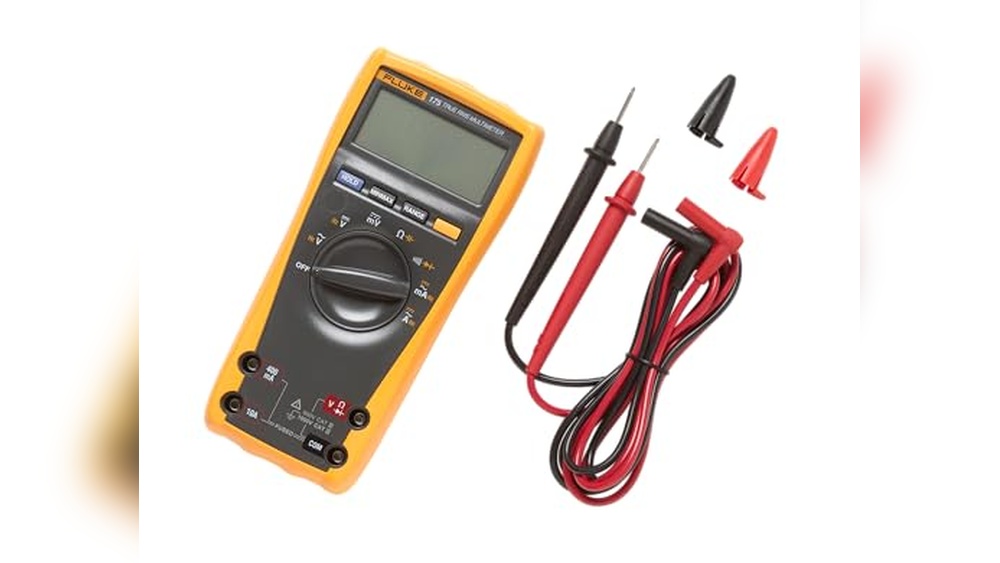
I use the Fluke 175 when I need steady, accurate readings without fuss. It’s good for daily electrical troubleshooting and repairs that don’t require rapid data updates. Over time, it feels solid and dependable.
Its manual and automatic ranging options help me switch modes smoothly. The lifetime warranty also adds peace of mind for long-term use. However, one limitation is its slower update rate compared to some newer models.
For users who prefer a simple but effective multimeter, the Fluke 175 is a reliable choice.

What works well over time
- Accurate true-RMS measurements for various electrical parameters
- Manual and automatic ranging options for flexibility
- Display Hold and Auto Hold features improve usability
- Safety rating suitable for industrial use (CAT III 1000 V, CAT IV 600 V)
- Lifetime warranty provides confidence in durability
Things that may bother some users
- Slower update rate compared to some competitors
- Weight is slightly higher, which may affect portability
- Lacks some advanced memory functions present in newer models
Where Fluke 177 Makes More Sense
I appreciate the Fluke 177 for its faster update rate and detailed analog bar graph. It suits tasks where quick changes in readings must be observed. Daily use feels efficient and smooth.
The automatic shutoff helps save battery when I forget to turn it off. It also has memory functions for minimum, maximum, and average readings, which assist in thorough diagnostics. One limitation is the slightly higher price point.
For professionals needing advanced features with ease of use, the Fluke 177 fits well.

What works well over time
- Fast digital updates and detailed analog bar graph
- Memory for min, max, and average readings
- Automatic power-off extends battery life
- Auto range selects best resolution automatically
- Clear “Lead” indicator when switching to current mode
Things that may bother some users
- Weight is extremely light but may feel less sturdy to some
- Higher cost compared to simpler models
- Auto-off feature may be annoying if disabled unintentionally
Early Decision Signals Most Buyers Notice
The first thing many buyers notice is the display update speed. The Fluke 177 updates faster and includes an analog bar graph, which some find helpful for live readings.
Battery management is another signal. The Fluke 177’s auto-off feature appeals to those wanting to conserve power without manual intervention.
Manual versus auto-ranging can influence decision. The Fluke 175 offers both with simple controls, which some users prefer for straightforward tasks.
Price differences also play a role. The Fluke 175 is generally more affordable, making it attractive for budget-conscious buyers.
Finally, warranty and build quality reassure buyers. Both models come from Fluke with good reputations, but the 175 emphasizes a lifetime warranty.
Decision Signals Comparison
Here is a quick look at how the Fluke 175 and Fluke 177 compare on key early decision factors.
| Decision signal (before buying) | Fluke 175 ESFP | Fluke 177 True-RMS |
|---|---|---|
| Display update speed | Standard digital updates | Faster digital and analog bar graph |
| Battery management | No auto-off feature | Automatic power-off after 2 minutes |
| Ranging options | Manual and automatic ranging | Automatic ranging with best resolution |
| Price | Lower price point | Higher price point |
| Warranty | Lifetime warranty | Standard warranty |
| Weight | Heavier (approx. 0.93 pounds) | Very light (approx. 0.004 pounds) |
What Living With These Multimeters Feels Like
In daily use, both models are reliable and provide consistent readings for electrical troubleshooting. Maintenance is minimal, mainly keeping the device clean and replacing batteries when needed.
The Fluke 175’s build feels more substantial, which some users find reassuring during extended use. The Fluke 177’s light weight makes it easy to carry but may feel less rugged.
Some minor annoyances include the Fluke 177’s auto-off, which can interrupt work if not anticipated. The Fluke 175’s slower update speed may be noticeable during rapid measurements.
Both multimeters build trust over time, with Fluke’s reputation and warranty support giving confidence in long-term ownership.
Long-term Ownership Comparison
Below is a comparison of how each multimeter fits into daily life after weeks or months of use.
| Ownership reality (after weeks/months) | Fluke 175 ESFP | Fluke 177 True-RMS |
|---|---|---|
| Reliability | Solid and dependable in various conditions | Consistently accurate with quick updates |
| Habit fit | Simple controls support routine use | Memory functions aid detailed diagnostics |
| Mental load | Low complexity eases focus | More features require slight learning curve |
| Battery management | Manual on/off, no auto shutoff | Auto-off saves battery but may surprise |
| Satisfaction | Good for basic to intermediate tasks | Preferred for advanced measurement needs |
| Durability feeling | Heavier, feels rugged | Very light, may feel delicate |
Common Mistakes Buyers Make
One mistake is focusing only on price without considering feature needs. Cheaper does not always mean better fit for your tasks.
Another is ignoring the update speed and display type. If you need to watch quick changes, a slower display might frustrate you.
Some buyers overlook battery management features. Auto-off can save power but may interrupt work if unexpected.
Confusing specs like counts or true RMS without understanding practical impact leads to poor choices. Research what those mean in real use.
Finally, buyers sometimes forget to check warranty and build quality. These factors affect long-term satisfaction.
Making The Right Choice For Your Situation
If you want a straightforward, reliable multimeter for basic troubleshooting and occasional use, the Fluke 175 ESFP is a solid pick. It offers essential features with a durable feel and lifetime warranty.
On the other hand, if you need faster updates, advanced memory functions, and automatic power management for professional or frequent use, the Fluke 177 True-RMS is better suited. Its features support more detailed diagnostics.
Remember, the best choice depends on how you will use the multimeter day to day. Matching the tool to your habits matters more than chasing specs alone.
Faqs About Fluke 175 Vs 177
What are the main differences between Fluke 175 and Fluke 177?
The Fluke 177 updates its readings faster and includes an analog bar graph display. It also has memory functions for min, max, and average readings, which the Fluke 175 lacks.
Is the Fluke 175 suitable for professional electricians?
Yes, the Fluke 175 provides reliable true-RMS measurements and safety ratings suitable for many professional tasks, especially if advanced memory functions are not required.
Does the Fluke 177 have an automatic power-off feature?
Yes, it automatically turns off after 2 minutes to save battery life, though this feature can be disabled if preferred.
Which multimeter is easier for beginners to use?
The Fluke 175 has simpler manual and automatic ranging, making it more beginner-friendly for basic troubleshooting.
Are both multimeters covered by a warranty?
The Fluke 175 comes with a lifetime warranty, while the Fluke 177 has a standard warranty from the manufacturer.
Can the Fluke 177 display diode and continuity measurements?
Yes, both models can measure continuity and diode functions effectively.
Which model is lighter to carry?
The Fluke 177 is significantly lighter, weighing about 0.004 pounds compared to the Fluke 175’s nearly one pound.
Are both multimeters safe to use in industrial settings?
Both have appropriate safety ratings, with the Fluke 175 rated CAT III 1000 V and CAT IV 600 V, suitable for many industrial environments.

I’m Asif Ur Rahman Adib, an Electrical Engineer and lecturer. My journey began in the lab, watching students struggle with instruments they used every day without fully understanding them. Over time, I’ve combined teaching, research, and hands-on experience to help others grasp electrical concepts clearly, safely, and practically—whether it’s understanding a circuit or mastering a multimeter.