Choosing between two clamp meters can be tricky.
The Fluke 376 FC and 902 FC differ mainly in features and specific HVAC focus.
Imagine needing accurate current readings in tight spaces or wireless data logging on site. Sometimes you want to measure flame rods or flue gas temperature. Other times, capturing intermittent faults remotely is crucial. These meters support different tasks in daily electrical or HVAC work. Understanding their strengths helps avoid unnecessary tools.
This article helps you learn which meter suits your work style and needs better.
How Well Does The Fluke 376 Fc Handle Complex Electrical Measurements?
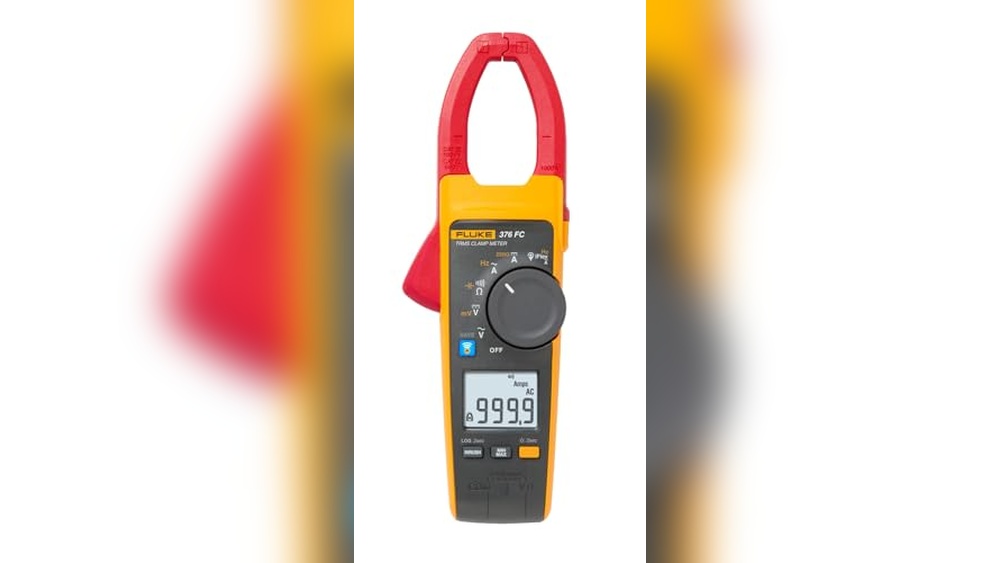
Yes, the Fluke 376 FC is designed for detailed electrical troubleshooting.
It offers wireless connectivity and can log and trend measurements to spot intermittent faults. I found it handy when working outside the arc flash zone, using Bluetooth to check data on my phone. The ability to transmit results wirelessly via the Fluke Connect app makes sharing data straightforward. Its Iflex accessory helps measure in tight or awkward spots, which is useful on many job sites. Overall, it fits technicians needing detailed analysis beyond basic readings.

Key features for detailed electrical work
- Wireless data logging and trending to catch intermittent faults
- Bluetooth connectivity with Apple and Android devices
- Iflex flexible current probe for hard-to-reach conductors
- 1000A AC/DC True RMS current measurement
- Remote monitoring outside arc flash zones
Situations where Fluke 376 FC excels
- Logging data over time for troubleshooting
- Working safely away from energized equipment
- Measuring current in confined spaces
- Sharing measurement results with team via app
- Handling high current applications up to 1000A
Considerations when using the 376 FC
- Higher price point compared to simpler meters
- Larger size due to added features and accessories
- More features may be unnecessary for basic HVAC tasks
When the Fluke 376 FC fits best in your toolkit
This clamp meter is ideal for electricians or technicians who need detailed current analysis and wireless data sharing. It makes life easier by reducing the need to return to the panel for readings, especially when working near high voltage. Beginners can use it, but experienced users will get the most from its logging features. In my experience, connecting to the Fluke Connect app saved time and improved troubleshooting accuracy. A practical tip is to use the Iflex probe for measurements in tight spots to avoid disconnecting wires. It provides peace of mind knowing you can monitor intermittent faults remotely.
What Makes The Fluke 902 Fc Suitable For Hvac Professionals?
It depends on your HVAC measurement needs, but the Fluke 902 FC focuses on specific HVAC diagnostics.
This meter measures low current for flame rods and thermistor resistance, which is useful in heating systems. Capturing flue gas temperature helps with combustion analysis. The True RMS readings ensure accuracy on non-linear signals common in HVAC equipment. Bluetooth connectivity to your phone supports faster data access. I found it reliable for typical HVAC troubleshooting without extra bulky features.

Important HVAC-specific features of the 902 FC
- 200 microamp DC current measurement for flame rods
- Extended resistance range for thermistor checks up to 60 kΩ
- Flue gas temperature capture for combustion analysis
- Bluetooth connection to Fluke Connect app
- True RMS voltage and current for accurate HVAC signals
Where the 902 FC works well in HVAC tasks
- Testing flame sensors and ignition systems
- Measuring thermistor resistance in temperature controls
- Monitoring flue gas temperature during service
- Getting accurate True RMS readings on HVAC equipment
- Wireless data access for quicker troubleshooting
Trade-offs to consider with the 902 FC
- Lower current range compared to more general clamp meters
- Limited logging and trending features
- Less suited for heavy electrical work outside HVAC
Who benefits most from the Fluke 902 FC clamp meter
This meter is best for HVAC technicians who need precise measurements related to heating and cooling systems. It simplifies checking flame rods and thermistor sensors, making routine service faster. Beginners can easily use it for common HVAC tasks, while experienced users appreciate the accurate True RMS readings. In my experience, capturing flue gas temperature saved diagnostic guesswork. A practical tip is to use its Bluetooth features to log data remotely, improving safety and efficiency. It gives peace of mind knowing your HVAC diagnostics are accurate and reliable.
How Fluke 376 Fc And 902 Fc Compare In Everyday Electrical And Hvac Work
I used both meters on different jobs to see how they handle real-world tasks. The 376 FC felt more versatile for electrical troubleshooting with its logging and wireless capabilities. The 902 FC was focused on HVAC specifics like flame rod current and flue gas temperature. Both connected well to phones, but the 376 FC’s Iflex probe added flexibility. Size and price differences also influenced which meter suited the task. Here is a detailed look at key comparison points.
Which meter offers better measurement versatility?
The Fluke 376 FC supports higher current ranges and flexible probes, while the 902 FC focuses on HVAC-specific parameters.
| Metric | Fluke 376 FC | Fluke 902 FC |
|---|---|---|
| Max AC/DC Current | 1000A with Iflex | Limited, focused on flame rod microamps |
| Resistance Range | Standard range | Up to 60 kΩ thermistors |
| Temperature Measurement | No flue gas temp | Flue gas temperature capture |
| Wireless Data Logging | Yes, with trending | Basic Bluetooth connection |
Rating: 376 FC suits electrical pros needing broad ranges; 902 FC fits HVAC tasks.
Edge: The 376 FC is better for varied electrical measurements; the 902 FC is more HVAC-tailored.
How do the meters differ in connectivity and data sharing?
Both meters connect to phones via Bluetooth, but the 376 FC offers more advanced data logging features.
| Metric | Fluke 376 FC | Fluke 902 FC |
|---|---|---|
| Bluetooth Connectivity | Yes, with Fluke Connect app | Yes, with Fluke Connect app |
| Data Logging | Logs and trends measurements | Limited logging capabilities |
| Remote Monitoring | Monitor outside arc flash zone | No specific remote zone monitoring |
Rating: 376 FC leads in connectivity features.
Edge: Choose 376 FC for advanced data tracking; 902 FC covers basic wireless needs.
What about size and portability for field use?
The 902 FC is more compact, making it easier to carry for HVAC technicians on the go.
| Metric | Fluke 376 FC | Fluke 902 FC |
|---|---|---|
| Dimensions (H×W×L) | 3.74 × 13.0 × 10.63 inches | 2.36 × 11.0 × 11.02 inches |
| Weight | 0.87 lbs | 0.92 lbs |
| Accessories | Iflex flexible probe | Standard clamp only |
Rating: 902 FC is slightly more portable.
Edge: HVAC techs may prefer the smaller 902 FC; electricians might value the 376 FC’s flexibility despite size.
How do prices compare for value?
The 902 FC is more affordable, reflecting its HVAC focus, while the 376 FC costs more due to added features.
| Metric | Fluke 376 FC | Fluke 902 FC |
|---|---|---|
| Current Price | $479.00 | $306.59 |
| Discount | 32% off original price | 25% off original price |
| Value Focus | Advanced electrical troubleshooting | HVAC service and diagnostics |
Rating: 902 FC offers good value for HVAC users; 376 FC justifies cost with features.
Edge: Budget-conscious HVAC pros lean toward 902 FC; electrical troubleshooters may invest in 376 FC.
Which meter suits beginners versus experienced users?
The 902 FC’s simpler interface aids beginners in HVAC work, while the 376 FC’s features are better for experienced electricians.
| Metric | Fluke 376 FC | Fluke 902 FC |
|---|---|---|
| User Complexity | Advanced features may require experience | More straightforward for HVAC beginners |
| Training Needed | Recommended for experienced users | Suitable for entry-level HVAC techs |
| Support Materials | Detailed manuals and app help | Focused HVAC guidance |
Rating: 902 FC is beginner-friendly; 376 FC suits skilled users.
Edge: Beginners in HVAC choose 902 FC; electricians with experience benefit from 376 FC.
Which Clamp Meter Fits Your Work Between Fluke 376 Fc And 902 Fc?
If your work involves varied electrical troubleshooting with a need for wireless data logging and high current measurement, the Fluke 376 FC is a solid choice. It fits electricians or technicians who want detailed analysis and remote monitoring capabilities. Its flexibility and app integration make complex tasks easier.
For HVAC technicians focusing on flame sensors, thermistors, and combustion measurements, the Fluke 902 FC covers essential diagnostics with good accuracy and portability. It supports beginners and pros with a straightforward interface and Bluetooth data access. The 902 FC streamlines HVAC service tasks effectively.
Both meters serve different needs well, so your choice depends on your specific job requirements and workflow preferences.
Common Questions About Fluke 376 Fc Vs 902 Fc Clamp Meters
Can the Fluke 376 FC measure flame rod current like the 902 FC?
No, the 376 FC does not have the microamp DC current range needed for flame rod testing. The 902 FC specializes in this measurement for HVAC work.
Is Bluetooth connectivity reliable on both meters?
Yes, both meters use Bluetooth to connect with the Fluke Connect app. However, the 376 FC offers more advanced data logging and trending features through the app.
Which meter is better for measuring high current loads?
The Fluke 376 FC can handle up to 1000A AC/DC with its Iflex probe, making it suitable for heavy electrical work. The 902 FC is limited to lower ranges focused on HVAC signals.
Are these clamp meters suitable for beginners?
The 902 FC is more beginner-friendly for HVAC tasks with a simpler interface. The 376 FC’s advanced features may require more experience to use effectively.
Can I use the Fluke 902 FC for general electrical troubleshooting?
While the 902 FC provides True RMS measurements and some basic functions, it is designed mainly for HVAC diagnostics. For broader electrical troubleshooting, the 376 FC is more suitable.

I’m Asif Ur Rahman Adib, an Electrical Engineer and lecturer. My journey began in the lab, watching students struggle with instruments they used every day without fully understanding them. Over time, I’ve combined teaching, research, and hands-on experience to help others grasp electrical concepts clearly, safely, and practically—whether it’s understanding a circuit or mastering a multimeter.