Comparing two reliable infrared thermometers helps pick the right tool for your needs.
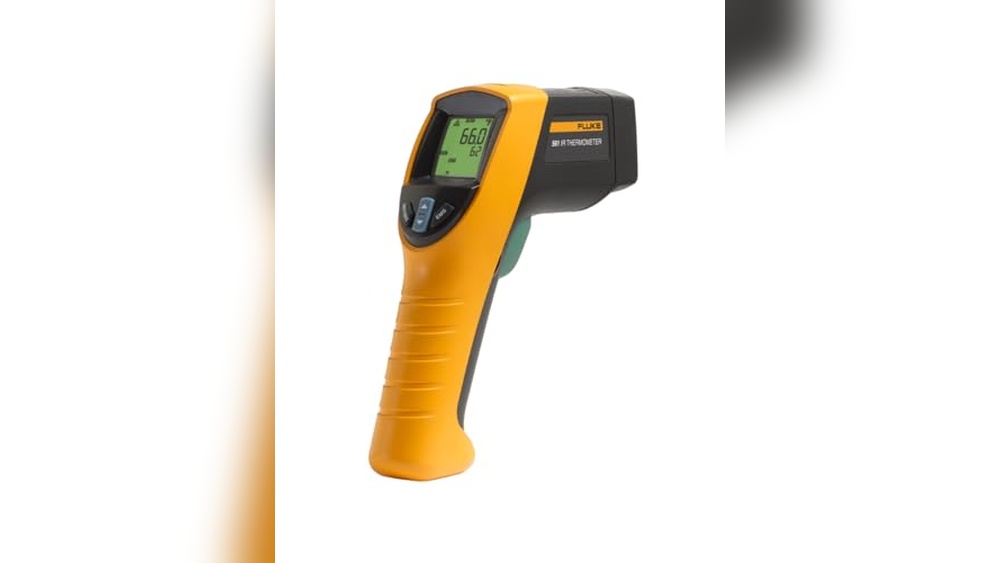
The Fluke 561 HVAC Pro Infrared Thermometer offers dual contact and noncontact temperature readings, while the Fluke 62 Max Industrial Infrared Thermometer focuses on non-contact surface temperatures with a robust design.
Imagine checking HVAC systems on a busy day, needing accurate readings quickly. Sometimes you need to measure pipes directly, other times you want to scan surfaces from a distance. Both tools promise practical features, but your tasks might demand specific capabilities. Choosing the right thermometer can save time and reduce guesswork.
In this article, you will learn how these two models differ in real use, their strengths, and which fits your daily needs better.
How Practical Is The Fluke 561 Hvac Pro For Hvac And Industrial Tasks?
Yes, it covers a wide temperature range and offers dual measurement modes.
The Fluke 561 HVAC Pro combines infrared and thermocouple readings. I found it helpful when I needed to verify pipe temperatures and surface temps without switching tools. The laser sighting and 12:1 distance-to-spot ratio made aiming easy. Its flexible pipe probe is useful for contact measurements in tight spots. Overall, it fits well for HVAC technicians who deal with both surface and pipe diagnostics.

Key features that stand out in HVAC and industrial use
- Dual infrared and type K thermocouple measurement modes
- Wide temperature range from -40 to +1022°F
- 12:1 distance to spot ratio with laser sighting
- Flexible pipe probe included for direct contact readings
- CE mark compliance for safety standards
What makes the Fluke 561 HVAC Pro effective in daily tasks
- Accurate infrared sensor with ±2°F tolerance
- Robust design suitable for industrial environments
- Easy switching between contact and non-contact modes
- Comfortable grip and clear display for quick readings
- Useful for HVAC system troubleshooting and manufacturing checks
Considerations when choosing this model
- Thermocouple probe limited to 0 to 212°F contact range
- Larger size and weight compared to simpler infrared-only models
- Higher price point reflecting advanced features
Who benefits most from the Fluke 561 HVAC Pro Infrared Thermometer?
This tool suits HVAC technicians and industrial users who need both surface and pipe temperature measurements in one device. It streamlines work by reducing the need to carry multiple thermometers. Beginners will find it accessible due to its straightforward interface, while experienced users appreciate the expanded measurement range. A practical tip is to keep the pipe probe cable untangled for quick switching during inspections. In my experience, having both contact and non-contact options in one unit brings peace of mind by covering more measurement scenarios efficiently.
What Does The Fluke 62 Max Industrial Infrared Thermometer Offer For Surface Temperature Monitoring?
It depends on your need for a rugged, straightforward infrared thermometer.
The Fluke 62 Max focuses solely on non-contact temperature readings with a durable design. I found it reliable when scanning electrical panels and automotive parts where quick surface temps matter. The 10:1 distance-to-spot ratio and single laser help target small areas effectively. Its IP54 rating means it can handle dusty or damp work environments well. This model suits users who want a tough and simple infrared tool without extra contact probes.

Standout benefits for industrial surface temperature checks
- Non-contact infrared readings with 10:1 distance to spot ratio
- IP54 rating for dust and splash protection
- Single laser targeting for precise aiming
- Displays min, max, difference, and average temperatures
- 3-year warranty included
What users appreciate about the Fluke 62 Max
- Compact and lightweight design for easy handling
- Accurate temperature readings from -22 to 932°F
- Simple interface without complicated settings
- Durability suited for industrial environments
Potential downsides to consider
- Not designed for contact temperature measurements
- Temperature range narrower than some dual-mode devices
- Not suitable for human temperature readings
Who is the Fluke 62 Max best suited for?
This thermometer fits professionals needing quick, reliable surface temperature measurements in challenging environments. It makes life easier by being tough and straightforward, so you can focus on your work without fuss. Beginners will find it easy to use, while experienced users will value its ruggedness. A tip is to keep the lens clean to maintain accuracy. In my experience, this tool offers peace of mind when working in dusty or moist conditions where other devices might fail.
How Do The Fluke 561 Hvac Pro And Fluke 62 Max Compare In Real-world Temperature Checks?
I used both thermometers in HVAC maintenance and industrial inspections. The 561’s dual contact and infrared modes allowed me to check pipes and surfaces without swapping tools. The 62 Max was quicker for straightforward surface scans and stood up well to rough conditions. Both models have clear displays and laser targeting, but their design and features suit different tasks. Comparing them side by side helped clarify which fits specific daily uses.
Which model better suits versatile HVAC temperature measurements?
The Fluke 561 HVAC Pro offers both contact and non-contact modes, making it more versatile for HVAC pros who deal with pipes and surfaces. The 62 Max focuses on non-contact only.
| Metric | Fluke 561 HVAC Pro | Fluke 62 Max |
|---|---|---|
| Measurement modes | Infrared + Thermocouple (contact) | Infrared only |
| Temperature range (°F) | -40 to +1022 | -22 to +932 |
| Distance to spot ratio | 12:1 | 10:1 |
| Included contact probe | Yes, type K thermocouple pipe probe | No |
Rating: Versatile and comprehensive vs. focused and simple.
Edge: Fluke 561 HVAC Pro suits users needing contact and infrared options.
How do durability and environmental resistance compare?
The 62 Max has an IP54 rating that protects against dust and splashes, while the 561 does not specify such protection. This makes the 62 Max more suitable for harsh environments.
| Metric | Fluke 561 HVAC Pro | Fluke 62 Max |
|---|---|---|
| Ingress protection | No specific rating | IP54 dust and splash resistant |
| Build weight (lbs) | 0.66 | 0.56 |
| Dimensions (inches H×W×L) | 2.99×7.99×10.98 | 3.0×7.75×9.5 |
Rating: Moderate protection vs. stronger environmental resistance.
Edge: Fluke 62 Max for tough job sites and outdoor use.
Which device offers better accuracy and measurement detail?
The 561 provides ±2°F accuracy for infrared and ±4°F for contact probe readings, while the 62 Max offers ±1.5°C or 1.5% accuracy for infrared. The 561’s thermocouple adds contact precision.
| Metric | Fluke 561 HVAC Pro | Fluke 62 Max |
|---|---|---|
| Infrared accuracy | ±2°F | ±1.5°C or 1.5% |
| Contact accuracy | ±4°F (type K probe) | Not available |
| Temperature min/max display | No detailed min/max stats | Displays min, max, difference, average |
Rating: Detailed contact and infrared vs. infrared with advanced stats.
Edge: Fluke 561 for combined measurement accuracy.
How do price and value compare for typical users?
The 62 Max is notably more affordable while offering solid infrared performance. The 561 costs more but includes added features and contact probe.
| Metric | Fluke 561 HVAC Pro | Fluke 62 Max |
|---|---|---|
| Current price | $220.03 | $108.00 |
| Warranty | Standard manufacturer | 3 years |
| Included accessories | Pipe probe | None |
Rating: Higher cost for more features vs. budget-friendly with key functions.
Edge: Fluke 62 Max for cost-conscious buyers focused on infrared scanning.
Choosing The Right Infrared Thermometer Between Fluke 561 Hvac Pro And Fluke 62 Max
If you need a flexible tool for HVAC work that handles both surface and pipe temperatures, the Fluke 561 HVAC Pro is a practical choice. Its dual measurement modes and included pipe probe simplify inspections. It fits both beginners and experienced users who want a comprehensive solution. The investment brings confidence in tackling a wider range of tasks.
For those focused mainly on quick, rugged surface temperature checks in industrial or automotive settings, the Fluke 62 Max offers dependable performance at a lower cost. Its durability and simple interface make it ideal for fieldwork. It is user-friendly for newcomers and reliable for seasoned professionals. This model provides peace of mind in tough environments.
Both tools serve their purposes well, so your choice depends on what temperature measurements you prioritize most.
Common Questions About Fluke 561 Vs 62 Max Infrared Thermometers
Can the Fluke 62 Max measure pipe temperatures like the Fluke 561?
No, the Fluke 62 Max only measures surface temperatures using infrared. The Fluke 561 includes a thermocouple pipe probe for contact measurements, which the 62 Max lacks.
Is the Fluke 561 suitable for outdoor or harsh environments?
While the Fluke 561 is robust, it does not have a specific IP rating for dust or water resistance. The Fluke 62 Max has an IP54 rating, making it more protected against dust and splashes.
Which thermometer is better for beginners?
Both devices have user-friendly interfaces. The Fluke 62 Max is simpler with infrared-only readings, while the Fluke 561 offers more features that might benefit users ready to handle contact probes.
Can either thermometer be used for measuring human body temperature?
No, neither model is designed or recommended for human temperature measurement. They are intended for industrial, HVAC, and mechanical use only.
How important is the distance-to-spot ratio when choosing between these models?
The Fluke 561 has a 12:1 ratio, allowing more precise readings at a greater distance compared to the Fluke 62 Max’s 10:1 ratio. This can help when measuring smaller targets from farther away.

I’m Asif Ur Rahman Adib, an Electrical Engineer and lecturer. My journey began in the lab, watching students struggle with instruments they used every day without fully understanding them. Over time, I’ve combined teaching, research, and hands-on experience to help others grasp electrical concepts clearly, safely, and practically—whether it’s understanding a circuit or mastering a multimeter.