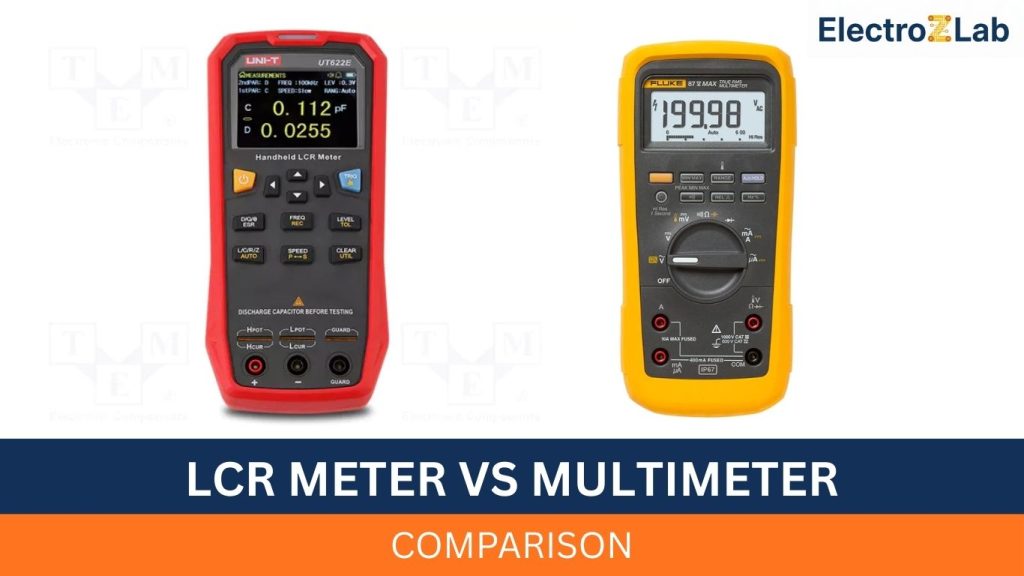
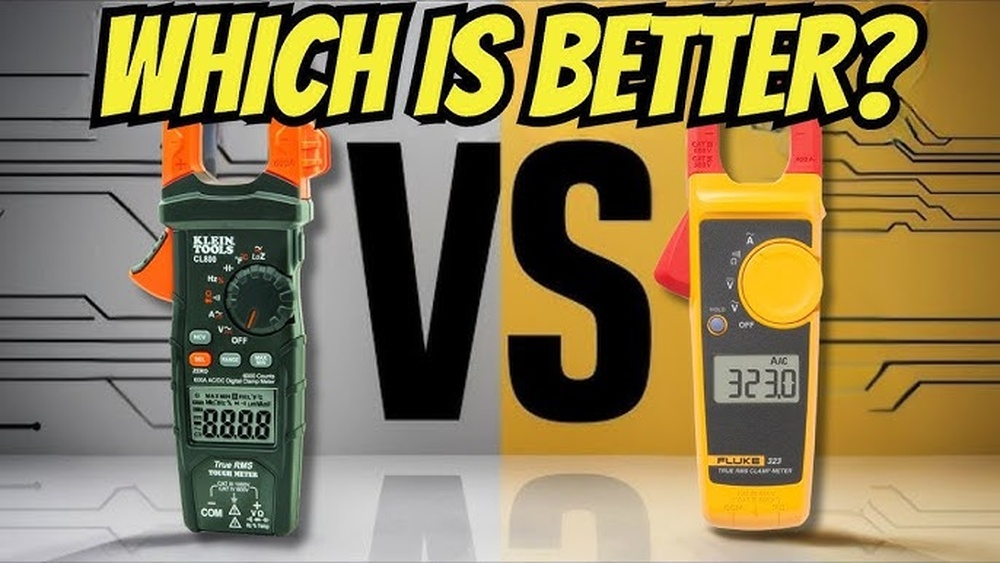
Choosing the right multimeter can make a huge difference in how quickly and accurately you get your job done. When it comes to Fluke vs Klein multimeters, you might wonder which one truly fits your needs.
Are you looking for durability, precision, or maybe ease of use? This comparison will help you see exactly how these two popular brands stack up, so you can pick the perfect tool for your projects. Keep reading—you’re about to discover what sets Fluke and Klein apart and which one will become your go-to device.
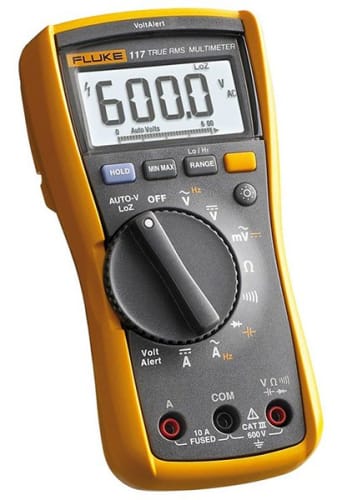
Credit: www.tequipment.net
Brand Reputation
Brand reputation plays a big role in choosing the right multimeter. It shows how much users trust and rely on a brand. A strong reputation often means better quality and support. Both Fluke and Klein have built their names over many years. Their reputations reflect their history, product quality, and customer service.
Fluke’s Industry Standing
Fluke is known worldwide for its reliable test tools. It serves professionals in electrical, industrial, and HVAC fields. Fluke products are praised for accuracy and durability. Many electricians prefer Fluke for tough job sites. The brand invests in innovation and strict quality checks. Fluke’s strong reputation makes it a top choice in many industries.
Klein’s Market Presence
Klein Tools has a long history in hand tools and testing devices. It is popular among electricians and contractors in North America. Klein multimeters are known for user-friendly design and solid build. The brand focuses on practical tools for everyday use. Klein has earned respect for balancing quality and price. It holds a trusted place in the tools market.
Design And Build Quality
The design and build quality of a multimeter affect its performance and user experience. Both Fluke and Klein offer tools built for tough environments. Each brand focuses on strength and ease of use but in slightly different ways. Understanding these differences helps choose the right multimeter for your needs.
Durability And Materials
Fluke multimeters use strong, high-quality plastic that resists drops and rough handling. Their models often have rubber bumpers for extra protection. Klein tools also use durable plastic but add thicker rubber around the edges. This design helps absorb shocks from falls. Both brands offer water and dust resistance, making them fit for outdoor and workshop use. Fluke tends to focus more on industrial standards, while Klein balances durability with cost.
Ergonomics And Portability
Fluke multimeters have a compact shape that fits comfortably in the hand. Their buttons and dial are easy to reach, even with gloves. Klein multimeters are slightly larger but offer better grip with textured sides. Both brands provide clear, bright displays for easy reading. Klein models often include a built-in stand for hands-free use. Fluke designs focus on one-handed operation and lightweight feel. Portability is strong in both, but Klein leans toward added features for convenience.
Measurement Accuracy
Measurement accuracy is a key factor in choosing a multimeter. It ensures the readings you get are close to the real values. Accurate measurements help avoid errors in electrical work. Both Fluke and Klein offer tools designed for precise readings. Comparing their accuracy can guide you to the right choice for your tasks.
Voltage And Current Precision
Fluke multimeters are known for steady and reliable voltage readings. They maintain accuracy across a wide range of voltages. Klein models also provide good precision, but may have slight variations at high voltages. For current measurement, Fluke often outperforms in low current ranges. Klein is suitable for general use but may lack some fine detail. Both brands measure AC and DC currents well. Fluke’s precision is preferred for critical or professional use.
Resistance And Continuity Testing
Fluke multimeters give clear and exact resistance values. Their continuity testers respond quickly and clearly. Klein offers accurate resistance readings, good for most home and light industrial jobs. Continuity beeps from Klein meters are loud and easy to hear. Fluke meters may detect smaller resistance changes better. Both brands work well for checking wires and circuits. Fluke’s slight edge in detail helps in complex troubleshooting.
Features And Functions
Choosing the right multimeter depends on its features and functions. Both Fluke and Klein offer tools with strong capabilities. Understanding these features helps pick the best device for your tasks. Below, we explore key functions that set these multimeters apart.
Advanced Testing Modes
Fluke multimeters come with multiple advanced modes. These include true RMS for accurate AC measurements. They also support frequency, capacitance, and diode testing. Klein multimeters offer similar modes but fewer options.
Fluke models often feature temperature measurement and low input impedance. Klein devices focus on basic testing modes and ease of use. Fluke’s advanced modes suit professionals with complex needs. Klein’s simpler modes work well for beginners and general tasks.
Safety Ratings And Certifications
Safety is vital in electrical testing tools. Fluke multimeters meet high safety standards like CAT III and CAT IV ratings. These ratings ensure protection against voltage spikes in industrial environments.
Klein multimeters also have good safety ratings but usually lower than Fluke. They comply with CAT II and CAT III standards, suitable for household and light commercial use. Both brands include overload protection and sturdy design to reduce risks.
User Interface
The user interface of a multimeter affects how easily you can read and use it. A clear interface saves time and reduces mistakes. Both Fluke and Klein offer strong designs, but their approaches differ. Understanding their user interface helps pick the right tool.
Display Quality
Fluke multimeters have bright, clear screens. The numbers and symbols are large and easy to read. Some models include backlights for dark places. The display updates quickly, showing accurate values without delay.
Klein multimeters also feature sharp displays. Their screens show essential information clearly. Some units have color coding to separate functions. The contrast is good, but not as bright as Fluke’s backlight.
Ease Of Use
Fluke meters use simple buttons and a rotary dial. The layout feels natural and intuitive. Even beginners can learn to operate them fast. The menus are straightforward, with minimal steps to change settings.
Klein meters have a similar button layout. Their dials are easy to turn with a firm grip. Some models include extra function buttons. This can make them slightly more complex for new users.
Battery Life And Power Options
Battery life and power options are key factors in choosing a multimeter. They affect how long the device runs and how convenient it is to use. Both Fluke and Klein offer reliable options, but they differ in battery type and performance.
Fluke Multimeter Battery Life
Fluke multimeters often use long-lasting alkaline or lithium batteries. They can last hundreds of hours on a single set. Some models also have an auto-off feature to save power. This helps extend battery life during breaks in use.
Klein Multimeter Battery Life
Klein multimeters usually run on standard AAA or AA batteries. These batteries are easy to find and replace. Battery life varies by model but is generally shorter than Fluke’s. Klein devices may also include power-saving modes.
Power Options And Charging
Fluke offers some models with rechargeable batteries. These can be charged via USB or a charging dock. Klein mostly relies on replaceable batteries, with fewer rechargeable options. Rechargeable power adds convenience but may increase cost.
Price And Value
Price and value play a big role when choosing between Fluke and Klein multimeters. Both brands offer reliable tools, but their cost and what you get for that cost differ. Understanding these differences helps you pick the best meter for your needs and budget.
Cost Comparison
Fluke multimeters usually cost more than Klein models. Fluke focuses on high precision and durability. This makes their meters popular for professional use. Klein multimeters are often cheaper. They still offer good features but target hobbyists and basic users. The price gap can be significant, but it reflects the meter’s build quality and accuracy.
Warranty And Support
Fluke offers a strong warranty, often lasting up to three years. Their customer support is known for quick and helpful service. Klein provides a decent warranty, usually one to two years. Their support is reliable but may not be as fast as Fluke’s. Good warranty and support add value and peace of mind to your purchase.
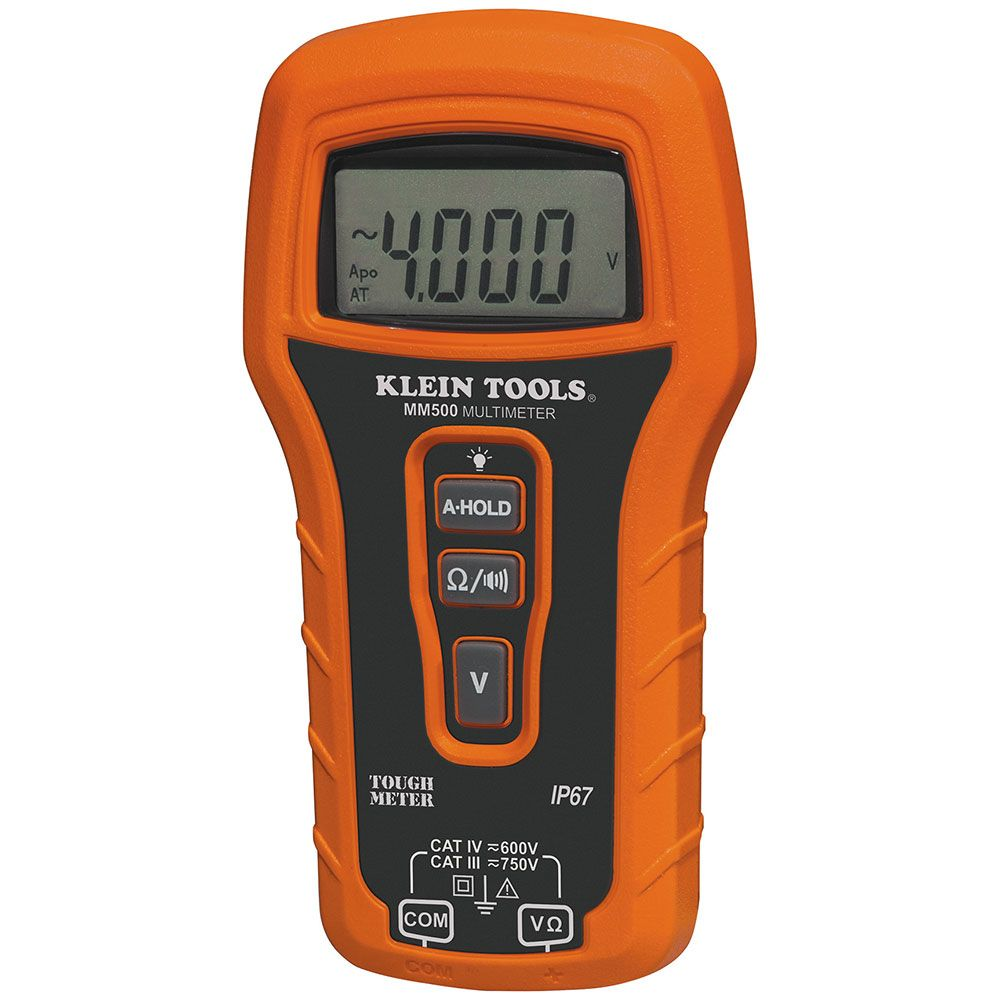
Credit: www.techtownforum.com
Best Use Cases
The best use cases for Fluke and Klein multimeters vary based on their features and design. Choosing the right multimeter depends on the task and user skill level. Both brands offer reliable tools but suit different needs. Understanding where each excels helps pick the perfect meter for the job.
Professional Applications
Fluke multimeters are ideal for professional electricians and technicians. They provide high accuracy and durability for daily use. These meters handle complex electrical systems in industries and commercial buildings. Fluke models include advanced features like True RMS and temperature measurement. They ensure precise readings for troubleshooting and maintenance. Their rugged design resists drops and harsh environments. Professionals benefit from clear displays and easy data logging.
Diy And Hobbyist Scenarios
Klein multimeters suit DIY enthusiasts and hobbyists well. They offer good accuracy with user-friendly interfaces. Klein meters cover most home and automotive electrical tasks. Their compact size fits small toolboxes and workbenches. These meters are cost-effective without sacrificing essential functions. Hobbyists appreciate simple range selection and clear readings. Klein tools help diagnose circuits, test batteries, and check continuity easily.

Credit: www.youtube.com
Frequently Asked Questions
What Are The Key Differences Between Fluke And Klein Multimeters?
Fluke multimeters offer higher accuracy and durability. Klein tools focus on affordability and user-friendly features. Fluke is preferred by professionals, while Klein suits DIYers and electricians.
Which Brand Is Better For Professional Electricians?
Fluke is the top choice for professionals due to its precision and rugged build. Klein is suitable for light to medium electrical tasks.
Are Klein Multimeters More Affordable Than Fluke?
Yes, Klein multimeters generally cost less than Fluke models. They offer good value for budget-conscious users without sacrificing essential features.
Do Fluke Multimeters Provide More Accurate Readings?
Fluke multimeters are known for their superior accuracy and reliability. They use advanced technology to ensure precise measurements in various conditions.
Conclusion
Choosing between Fluke and Klein multimeters depends on your needs. Fluke offers strong accuracy and durability for tough jobs. Klein provides good value with easy-to-use features. Both brands deliver reliable results for electrical testing. Think about your budget and how often you will use the tool.
Small tasks may suit Klein, while heavy work fits Fluke better. Either way, you get a solid multimeter that helps you work safely and well. Trust your choice based on what matters most to you.

I’m Asif Ur Rahman Adib, an Electrical Engineer and lecturer. My journey began in the lab, watching students struggle with instruments they used every day without fully understanding them. Over time, I’ve combined teaching, research, and hands-on experience to help others grasp electrical concepts clearly, safely, and practically—whether it’s understanding a circuit or mastering a multimeter.