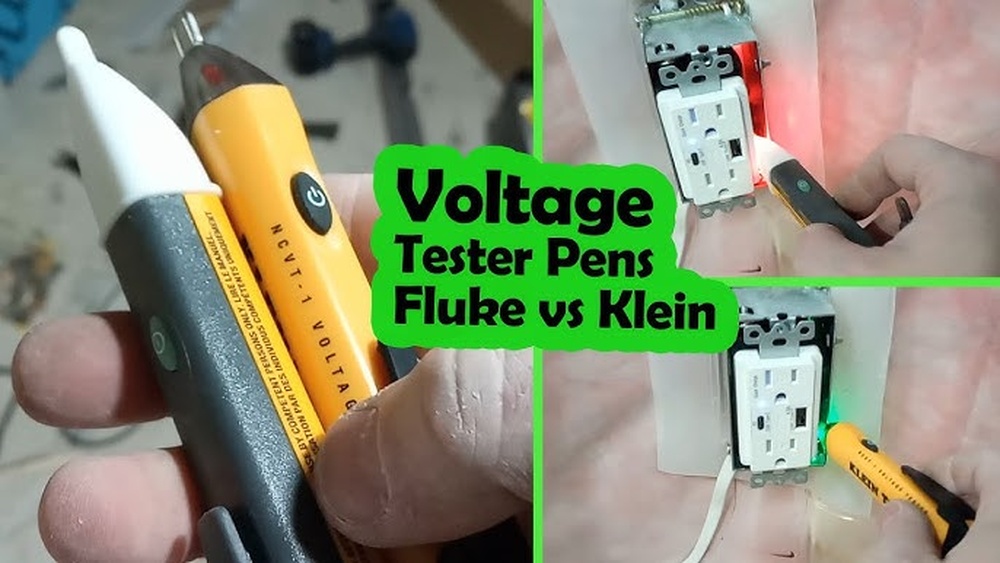
Are you searching for the best non-contact voltage tester to keep your work safe and efficient? Choosing between Fluke and Klein can feel overwhelming.
Both brands promise reliability, but which one truly fits your needs? You’ll discover the key differences that matter most to you—accuracy, ease of use, and durability. By the end, you’ll have the confidence to pick the tester that works best for your tasks and protects you every step of the way.
Keep reading to find out which one wins in real-world use.
Key Features
Understanding the key features helps choose the right non-contact voltage tester. Both Fluke and Klein offer reliable tools. Each has unique strengths. Let’s explore their main features.
Design And Build
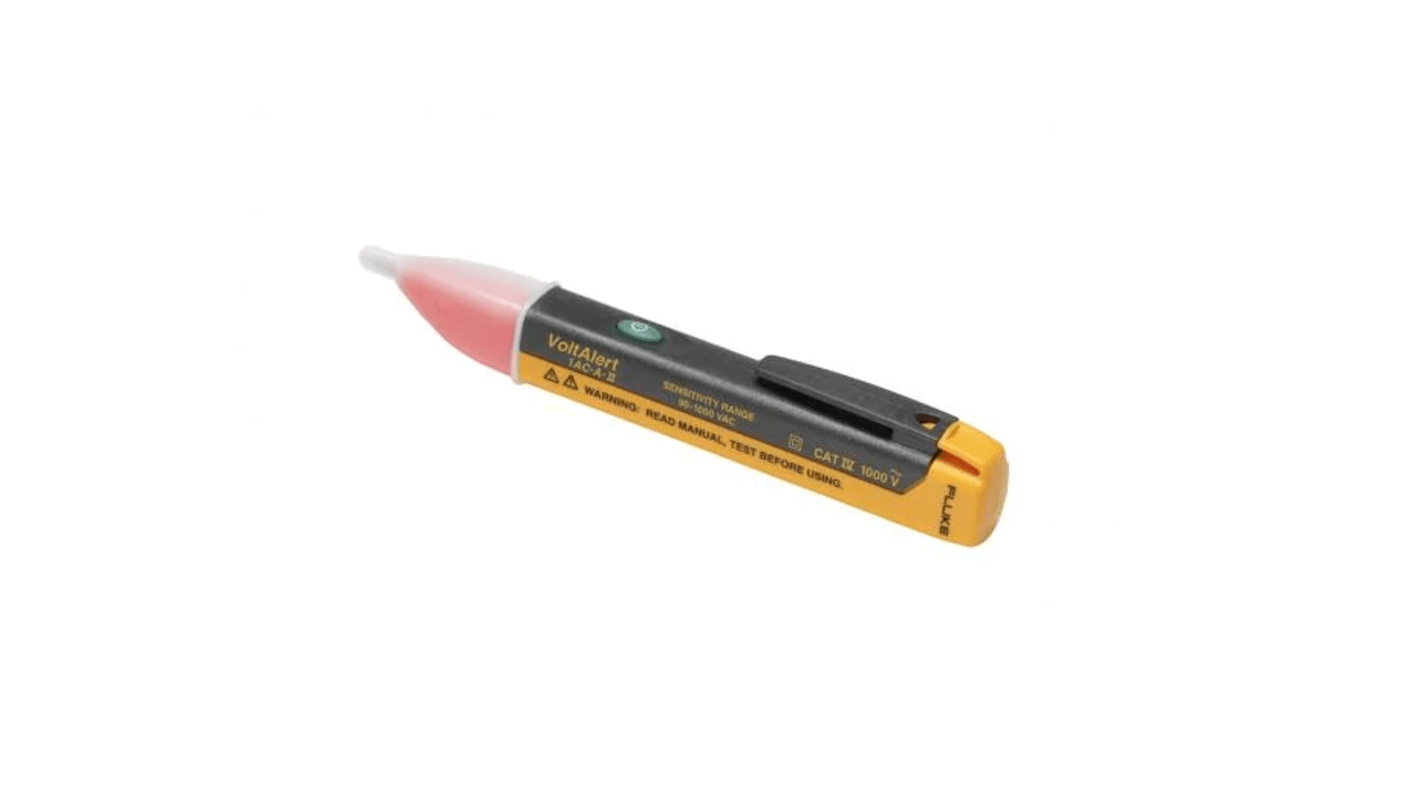
Fluke testers have a sturdy, ergonomic design. They fit well in hand and feel balanced. Klein models are compact and lightweight. Both brands use durable materials for long life.
Detection Range
Fluke testers detect voltage from a safe distance. They sense live wires quickly. Klein testers have a similar range but may vary slightly. Both provide clear detection for safety.
Voltage Range
Fluke covers a wide voltage range, suitable for many tasks. Klein testers handle common household and industrial voltages. Both meet standard requirements for voltage detection.
Display And Indicators
Fluke uses bright LEDs and clear beeps for alerts. Some models include a digital display. Klein testers feature strong visual and sound signals. Both brands ensure easy reading in different conditions.
Battery Life
Fluke testers have long battery life for continuous use. Klein models also offer reliable battery performance. Both allow extended work without frequent changes.
Performance And Accuracy
The performance and accuracy of non-contact voltage testers are crucial for safety and efficiency. Both Fluke and Klein offer reliable tools, but their sensitivity, response time, and false positive rates differ. These factors help decide which tester fits best for your needs.
Sensitivity Levels
Sensitivity shows how well a tester detects voltage. Fluke testers have adjustable sensitivity, allowing fine-tuning for different wires. Klein testers offer a good sensitivity level but with fewer adjustment options. Higher sensitivity means better detection of weak voltage signals.
Response Time
Response time measures how fast the tester reacts to voltage. Fluke models typically respond instantly, reducing wait time. Klein testers respond quickly as well but may lag slightly on low voltage. Fast response helps avoid mistakes and speeds up work.
False Positive Rates
False positives occur when the tester signals voltage, but none exists. Fluke testers have low false positive rates due to advanced filtering technology. Klein testers can show false positives more often, especially near strong electromagnetic fields. A low false positive rate improves trust in the tester’s readings.
Safety And Compliance
Safety and compliance are critical when choosing a non-contact voltage tester. These tools must protect users from electric shock and meet strict industry standards. Both Fluke and Klein design their testers to be safe and reliable for daily use.
Understanding the safety features and certifications helps make the right choice. Durability also plays a key role in long-term safety and compliance.
Certifications
Fluke and Klein testers carry important safety certifications. These include UL and CE marks. Such certifications prove the tools meet global safety rules. Certified testers reduce risks during electrical work. They assure users the tester is tested and approved for safe use.
Safety Features
Both brands include features to protect users. Non-contact voltage testers detect live wires without touching them. Fluke models often have bright LED indicators and audible alarms. Klein testers offer similar alerts with vibration options. These features warn users of danger quickly. Insulated housings and over-voltage protection add extra safety layers.
Durability
Durability supports safety by ensuring the tester works well over time. Fluke testers use rugged cases resistant to drops and impacts. Klein tools also offer strong construction with shock-resistant designs. Durable testers maintain accuracy and safety even after heavy use. This helps prevent accidents caused by faulty equipment.
Ease Of Use
Ease of use matters a lot in non-contact voltage testers. Both Fluke and Klein design their tools for quick and simple testing. Users can check for live wires safely and fast. Let’s look at how easy these testers are to handle daily.
User Interface
Fluke testers show clear, bright indicators. The lights and sounds are easy to understand. Klein also offers simple signals but with fewer lights. Fluke’s screen helps users see voltage levels better. Klein focuses on a basic approach for quick checks. Both are user-friendly but Fluke gives more info on the display.
Portability
Both testers are small and light. They fit well in a pocket or tool belt. Fluke models often have a clip for easy carrying. Klein testers are slim and easy to hold. Users can carry either tester all day without strain. Portability is strong in both brands for fieldwork.
Maintenance
Fluke testers need battery changes but last long. Klein testers also use common batteries and are easy to open. Cleaning either device is simple with a dry cloth. Both brands build durable testers that resist dust and drops. Maintenance is low effort, keeping tools ready for work.
Price And Value
Price and value play a big role in choosing between the Fluke and Klein non-contact voltage testers. Both brands offer quality tools, but their costs and benefits differ. Understanding these differences helps you pick the best tester for your needs and budget.
Cost Comparison
Fluke testers usually cost more than Klein models. The price difference can be noticeable. Klein offers budget-friendly options that still work well. Fluke tools often come with extra features, which adds to the cost. Your choice depends on how much you want to spend and what features matter most.
Warranty And Support
Fluke provides a strong warranty and reliable customer support. Their service covers repairs and replacements for a good time. Klein also offers warranties but they are often shorter. Support quality can vary more with Klein. A good warranty adds value by protecting your investment.
Long-term Investment
Choosing a tester is about more than just price. Fluke’s durability and accuracy may save money over time. Fewer repairs and longer life add value. Klein testers suit those who need a simple tool for light use. Consider how often you will use the tester before buying.
Credit: my.rs-online.com
User Feedback
User feedback gives real insight into the Fluke and Klein non-contact voltage testers. It shows how these tools perform in daily use. Feedback helps buyers choose the right tester for their needs. Both professionals and everyday users share their thoughts. This section highlights their reviews, ratings, and common problems.
Professional Reviews
Experts praise the Fluke tester for its accuracy and build quality. It often scores high for safety features and reliability. Klein testers receive good marks for ease of use and clear signals. Some pros say Fluke offers more advanced functions. Others like Klein for its simple design and solid performance.
Customer Ratings
Customers rate both testers well. Fluke gets high scores for durability and consistent results. Many users find Klein affordable and effective. Some report that Klein is lighter and easier to carry. Both brands have loyal users who trust their testers for daily jobs.
Common Issues
Few users mention Fluke’s higher price as a downside. Some Klein testers have reports of false alarms in certain conditions. A few customers say the Fluke model can be sensitive to interference. Battery life is a minor complaint with both testers but not frequent. Overall, issues are rare and do not affect most users.
Best Use Cases
Choosing the right non-contact voltage tester depends on where and how you will use it. Both Fluke and Klein offer reliable tools, but their strengths fit different tasks. Understanding the best use cases helps you pick the perfect tester for your needs.
Residential Applications
In homes, safety is key. Fluke testers provide clear readings and strong sensitivity. They detect low voltage easily, which is good for home wiring and outlets. Klein testers are often lighter and simpler, ideal for quick checks. Both work well for DIY repairs and routine electrical checks.
Commercial Applications
Commercial buildings have more complex wiring. Fluke testers handle higher voltage and offer advanced features. They help electricians find faults quickly in offices and stores. Klein testers suit smaller commercial jobs, like checking lighting circuits. Both brands help prevent downtime and maintain safety.
Industrial Applications
Industrial sites need rugged and reliable tools. Fluke testers are built tough for harsh environments. They can detect voltage in heavy machinery and control panels. Klein testers also offer durability but focus on ease of use. Both are essential for electricians working in factories and plants.

Credit: www.youtube.com

Credit: linearcollider.org
Frequently Asked Questions
What Are The Main Differences Between Fluke And Klein Testers?
Fluke testers offer higher sensitivity and durability. Klein testers focus on affordability and ease of use. Both detect voltage without contact but vary in features and price.
Which Tester Is More Accurate For Non-contact Voltage Detection?
Fluke testers provide more precise voltage detection due to advanced sensors. Klein testers are accurate but better suited for basic tasks.
Are Fluke Testers More Expensive Than Klein Testers?
Yes, Fluke testers generally cost more. They target professionals needing reliable, durable tools. Klein offers budget-friendly options for casual users.
Can Both Testers Detect Voltage In Live Wires Safely?
Yes, both Fluke and Klein testers detect live voltage safely without contact. Always follow safety guidelines when using either tester.
Conclusion
Both Fluke and Klein offer reliable non-contact voltage testers. Fluke testers often provide more features and higher accuracy. Klein devices focus on simplicity and ease of use. Choose based on your needs and budget. Safety and ease matter most when testing voltage.
Both brands help prevent electrical accidents effectively. Trust the tool that fits your work style best. This comparison makes your choice clearer and smarter.

I’m Asif Ur Rahman Adib, an Electrical Engineer and lecturer. My journey began in the lab, watching students struggle with instruments they used every day without fully understanding them. Over time, I’ve combined teaching, research, and hands-on experience to help others grasp electrical concepts clearly, safely, and practically—whether it’s understanding a circuit or mastering a multimeter.