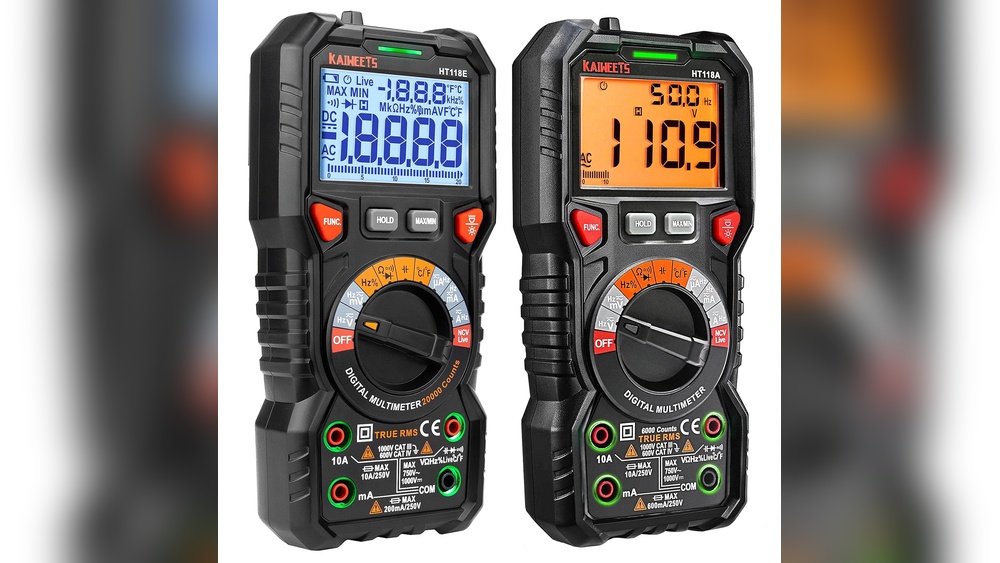
When you’re choosing a multimeter, the number of counts can make a big difference in what you can measure and how accurate your readings will be. You might wonder, should you go for a 6000 counts multimeter or invest in a 20000 counts model?
This decision can affect your work, whether you’re fixing electronics at home or handling professional projects. You’ll discover what these numbers really mean, how they impact your measurements, and which one suits your needs best. Keep reading to make sure you pick the right tool that saves you time and frustration.

Credit: www.habotest.com
Basic Multimeter Counts Explained
Understanding multimeter counts helps you choose the right tool. Counts show how detailed your multimeter’s readings can be. This detail matters when measuring voltage, current, or resistance. Basic multimeters come with different counts, like 6000 or 20000. These numbers tell you about the multimeter’s resolution and accuracy.
What Counts Mean
Counts refer to the maximum number a multimeter can show. A 6000-count multimeter displays numbers up to 5999. A 20000-count multimeter can show numbers up to 19999. Higher counts mean the meter can measure smaller changes. This helps detect small differences in electrical values. Counts define how many steps the meter can divide a range into. More steps mean more precise readings.
Impact On Measurements
Higher counts improve measurement accuracy and detail. A 20000-count meter shows finer changes in voltage or resistance. This makes it easier to spot small problems in circuits. A 6000-count meter works well for general use. It suits basic home or hobby projects. For professional or detailed work, a higher count is better. It reduces errors and gives clearer results. Counts affect the smallest value the meter can detect. Lower counts may miss tiny but important changes.
6000 Counts Multimeter Features
The 6000 counts multimeter is a popular choice for many users. It offers a good balance of features and affordability. This type of multimeter provides reliable measurements for various electrical tasks. It suits hobbyists, students, and basic troubleshooting jobs.
Understanding its features helps to decide if it fits your needs. The 6000 counts multimeter offers enough precision for most common measurements. Let’s explore its accuracy, uses, and limits.
Typical Accuracy Levels
6000 counts multimeters usually have an accuracy of about ±(0.5% to 1.0%). This level is good for many electrical and electronic tasks. It can measure voltage, current, and resistance with reasonable precision. This accuracy helps ensure safe and effective troubleshooting. For basic home or school projects, it is more than enough.
Common Use Cases
These multimeters work well for household electrical repairs. They help check batteries, outlets, and wiring. Many use them for automotive work or simple electronics projects. They can measure AC and DC voltage, current, and resistance. Some models also test continuity and diodes. Their ease of use makes them great for beginners.
Limitations To Consider
6000 counts multimeters are not for high-precision tasks. Their lower resolution limits detailed measurements on complex electronics. They may struggle with very low voltage or current readings. Professionals often prefer higher counts multimeters for advanced work. Also, some models lack advanced features like data logging or frequency measurement.
Battery life and build quality can vary by brand. Always check reviews before buying. Knowing these limits helps avoid frustration during use.
20000 Counts Multimeter Features
The 20000 counts multimeter offers features that improve measurement quality and detail. It provides higher resolution than lower count models. This means it shows more digits on the screen. Users get precise readings, which are crucial in many tasks. Such precision helps detect small changes in electrical values.
This multimeter suits professionals and hobbyists who need exact data. It often includes advanced functions that support complex measurements. These features make it a versatile tool for diverse electrical projects. Its design focuses on accuracy and reliability.
Enhanced Accuracy Benefits
The 20000 counts multimeter delivers more accurate results than 6000 counts models. It can detect finer differences in voltage, current, and resistance. This accuracy reduces errors in testing and troubleshooting. It ensures better quality control in electrical work. Accurate measurements help avoid damage to sensitive components. This level of precision supports detailed diagnostics and repairs.
Advanced Measurement Capabilities
This multimeter includes functions like frequency, capacitance, and temperature measurement. It can measure very low and high values with ease. Some models offer data hold, min/max recording, and auto-ranging features. These capabilities simplify complex testing tasks. They save time by reducing manual adjustments. Users can rely on the tool for a wide range of jobs.
Ideal Applications
The 20000 counts multimeter is perfect for electronics, automotive, and industrial work. It suits engineers, technicians, and serious hobbyists. It handles tasks that require detailed analysis and fine measurements. This tool works well in labs and field environments. It fits projects needing high precision and reliability. Users benefit from its wide application range.

Credit: www.ubuy.mq
Comparing Accuracy Between 6000 And 20000 Counts
Comparing the accuracy of 6000 counts and 20000 counts multimeters helps in choosing the right tool. Accuracy matters a lot in measurements for electronics, repairs, and testing. Higher counts often suggest better precision, but the real impact depends on several factors. Understanding these differences is key for effective use.
Resolution Differences
Resolution means the smallest change a multimeter can show. A 6000 counts meter shows up to 5999 units. A 20000 counts meter can display up to 19999 units. More counts mean finer measurement steps. This allows better detection of small changes. For example, a 20000 counts meter can detect 0.01 volts, while a 6000 counts meter shows 0.1 volts. Higher resolution gives clearer readings.
Real-world Accuracy Impact
Higher resolution does not always mean better real-world accuracy. Other factors like sensor quality and calibration affect results. Both meters can show close values if well-made. For simple tasks, 6000 counts is often enough. For detailed work or sensitive electronics, 20000 counts can provide more confidence. The difference appears mostly in tight tolerance environments.
Error Margins
Error margin is the possible deviation from the true value. A 6000 counts meter usually has a higher error margin than a 20000 counts meter. For example, a 6000 counts meter might have ±0.5% error. A 20000 counts meter could have ±0.2% error. Smaller error margins mean more reliable measurements. This is important in precision testing and engineering tasks.
Cost Vs Performance Analysis
Choosing between a 6000 counts and a 20000 counts multimeter depends on balancing cost and performance. Understanding how these two options differ helps buyers pick the right tool for their needs. This analysis breaks down price differences, value for hobbyists, and why professionals might invest more.
Price Differences
6000 counts multimeters cost less than 20000 counts models. The price gap can be significant, sometimes doubling the cost. The higher count multimeter offers finer measurement details. This precision adds to the manufacturing cost and complexity. Buyers get advanced features but pay more upfront. Budget matters most for casual users or beginners.
Value For Hobbyists
Hobbyists often find 6000 counts multimeters enough for their projects. These models measure common electrical parameters with good accuracy. They handle most home and DIY tasks without extra cost. For simple circuit tests, 20000 counts may be more than needed. Spending less saves money without losing useful functions. Hobbyists focus on ease and reliability rather than extreme precision.
Professional Investment
Professionals demand high accuracy and detailed readings. A 20000 counts multimeter meets strict industry standards. It reveals small changes in voltage, current, and resistance. This precision helps in troubleshooting and quality control. Investing in a higher count tool improves work quality. The higher cost pays off in long-term efficiency and trust. Professionals rely on better tools to avoid costly errors.

Credit: www.youtube.com
Choosing The Right Multimeter For Your Needs
Choosing the right multimeter is important for accurate and reliable measurements. Different tasks need different tools. Picking the right multimeter helps you work faster and avoid mistakes. This section breaks down how to choose between a 6000 counts and 20000 counts multimeter. It covers your measurement needs, budget, and future use.
Assessing Measurement Requirements
Check what measurements you need to make. A 6000 counts multimeter works well for basic tasks. It can measure voltage, current, and resistance with decent accuracy. For simple home repairs or beginner electronics, it is enough.
A 20000 counts multimeter offers higher resolution. It shows more digits and finer details. This is useful for advanced electronics and precise testing. Professionals often prefer this for troubleshooting and design.
Think about the range of values you will measure. A higher count multimeter shows small changes better. It helps avoid errors in sensitive circuits. Match the multimeter counts to the detail your work demands.
Balancing Budget And Precision
Higher counts usually mean a higher price. A 6000 counts multimeter is more affordable. It fits well for casual users and hobbyists. You get good performance without spending too much.
A 20000 counts multimeter costs more but gives better accuracy. It suits users who need exact readings. Think about how often you will use it. Choose a model that fits your budget and precision needs.
Focus on value rather than just specs. A basic multimeter with good reviews can be better than a costly one with extra features you won’t use.
Future-proofing Your Tool
Consider how your projects might change. A 20000 counts multimeter offers room to grow. It handles more complex tasks as your skills improve.
A 6000 counts multimeter may limit you in advanced work. Upgrading later costs more money and time. Think about buying a tool that lasts longer.
Choose a multimeter with features that match future needs. Look for durability, ease of use, and support. This saves hassle and expense down the line.
Frequently Asked Questions
What Is The Difference Between 6000 And 20000 Counts Multimeters?
A 6000 counts multimeter displays up to 5999 readings, while a 20000 counts model shows up to 19999 readings. The higher count offers better resolution and accuracy, ideal for detailed measurements in electronics and electrical testing.
Which Multimeter Is Better For High-precision Measurements?
A 20000 counts multimeter is better for high-precision tasks. It provides finer resolution and more accurate readings, making it suitable for professionals and advanced electronics work compared to a 6000 counts model.
Are 6000 Counts Multimeters Sufficient For Basic Electrical Tasks?
Yes, 6000 counts multimeters are sufficient for most basic electrical measurements. They offer good accuracy for home use, automotive repairs, and general troubleshooting without the extra cost of higher counts.
How Does Multimeter Count Affect Measurement Accuracy?
Higher counts mean better resolution and more precise readings. A 20000 counts multimeter reduces rounding errors, improving accuracy over a 6000 counts meter, especially when measuring low voltage or current.
Conclusion
Choosing between a 6000 and 20000 counts multimeter depends on your needs. A 6000 counts meter works well for basic tasks and everyday use. The 20000 counts meter offers higher accuracy and more detailed readings. It suits professionals or those who need precise measurements.
Think about your budget and the type of work you do. Both types have their place. The right choice helps you measure with confidence and ease. Simple tools, clear results.

I’m Asif Ur Rahman Adib, an Electrical Engineer and lecturer. My journey began in the lab, watching students struggle with instruments they used every day without fully understanding them. Over time, I’ve combined teaching, research, and hands-on experience to help others grasp electrical concepts clearly, safely, and practically—whether it’s understanding a circuit or mastering a multimeter.