How To Choose Between Two Popular Multimeters
- Pick Klein MM700 if you need a rugged device with a wide range of measurements.
- Choose Fluke 117 when non-contact voltage detection and compact size matter most.
- Go with Klein MM700 for higher voltage and current testing up to 1000V and 10A.
- Prefer Fluke 117 if you want a bright backlight for working in low-light conditions.
- Klein MM700 makes more sense for those who value drop resistance and job site durability.
- Fluke 117 is the safer bet for straightforward, everyday electrical troubleshooting.
Is The Klein Mm700 Suitable For Demanding Electrical Jobs?
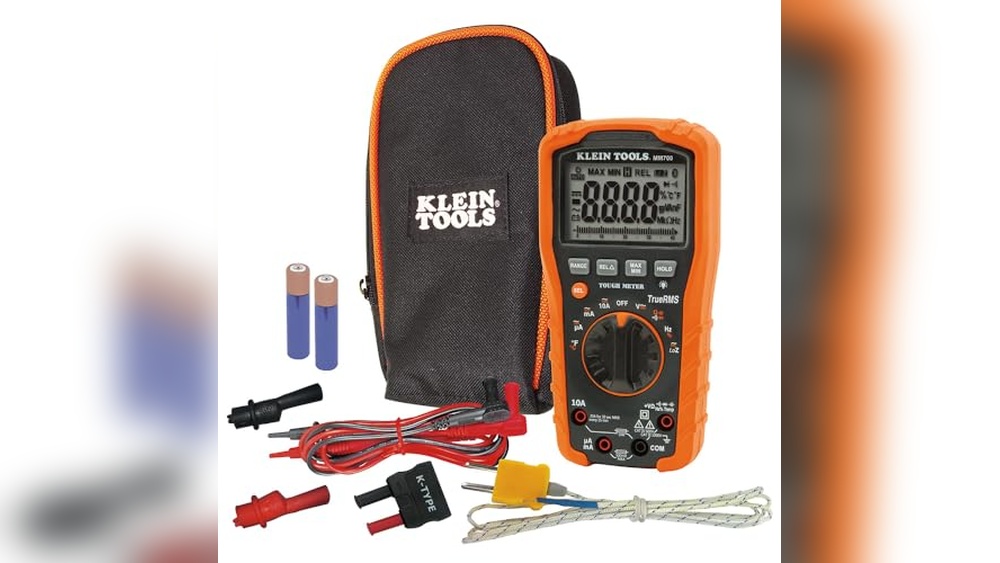
Yes, the Klein MM700 is built for tough job site conditions and offers a broad range of measurements. It supports testing up to 1000V AC/DC, 10A current, and includes temperature and capacitance readings. Its CAT IV 600V safety rating ensures protection in high-energy environments. The low impedance mode helps eliminate false voltage readings.
I find the Klein MM700 comfortable to use during extended work periods. Its robust design feels solid in hand, and the auto-ranging TRMS technology gives confidence in readings. The device’s drop resistance adds peace of mind when working in rugged settings. It handles diverse testing needs, so I don’t have to switch tools often.

What Klein MM700 excels at in electrical testing
- Measures high AC/DC voltage up to 1000V
- Supports current testing up to 10A AC/DC
- Includes temperature, capacitance, frequency, and resistance tests
- Low impedance mode to detect ghost voltages
- Durable build with 6.6-foot drop resistance
- CAT IV 600V safety rating for harsh environments
Considerations before choosing Klein MM700
- Larger size and weight compared to some handheld models
- May be more than needed for simple household electrical work
- Learning curve for accessing all advanced features
A practical take on the Klein MM700
The Klein MM700 suits electricians and technicians who need a robust, versatile multimeter. It removes worries about tool damage or safety when working in demanding environments. Beginners may find it packed with features but manageable with some practice. A practical tip is to familiarize yourself with the low impedance mode to avoid false readings. In my experience, this tool offers reliability and confidence on the job. After buying, you gain peace of mind knowing your device can handle varied electrical tasks without fail.
Does The Fluke 117 Offer Advantages For Everyday Electrical Troubleshooting?
It depends on your priorities. The Fluke 117 shines with its non-contact AC voltage detection and compact design. AutoVolt technology simplifies switching between AC and DC measurements, and the bright LED backlight is useful in dim spaces. It offers true RMS measurements and low input impedance to reduce false readings.
I appreciate how the Fluke 117 feels lightweight and easy to carry around. The non-contact voltage feature adds convenience by quickly checking live wires without probes. Its size fits well in tight spaces and tool belts. For routine electrical checks and maintenance, it balances functionality and portability well.

What makes the Fluke 117 stand out in daily electrical use
- Non-contact AC voltage detection with VoltAlert technology
- AutoVolt automatic AC/DC voltage selection
- Low input impedance to avoid false ghost voltage readings
- Large white LED backlight for working in dim areas
- True RMS for accurate measurements on non-linear loads
- Compact and lightweight design
Important points to know about Fluke 117
- Voltage range is lower compared to some heavy-duty multimeters
- Limited current measurement capability (not specified for high amperage)
- Battery life depends on LED backlight usage
Everyday practicality of the Fluke 117
The Fluke 117 is ideal for electricians and hobbyists who value ease of use and portability. It reduces stress by quickly identifying live circuits without contact. Beginners will find it user-friendly, while experienced users appreciate the accuracy and convenience. A useful tip is to use the backlight in poorly lit conditions for safer readings. In my experience, this multimeter delivers reliable results with minimal fuss. It offers peace of mind for regular electrical maintenance and troubleshooting.
Key Questions For Selecting Your Electrical Tester
Do I need a multimeter that can handle very high voltages and currents? Is non-contact voltage detection a must-have feature for my work? Will I be using this meter in low-light or harsh environments? How important is the device’s durability and drop resistance? Do I prefer a compact, lightweight design or a more rugged build? What level of measurement accuracy and features do I require for daily tasks?
Practical Comparison Of Klein Mm700 And Fluke 117 Multimeters
This comparison focuses on how each multimeter performs in typical electrical work settings. We considered measurement range, ease of use, safety features, and durability. The goal was to see which tool better suits specific job demands rather than technical specs alone.
Which multimeter handles higher voltage and current tests better?
The Klein MM700 supports up to 1000V AC/DC and 10A current, making it suitable for demanding electrical jobs. The Fluke 117 offers reliable voltage detection but with a lower maximum range, fitting lighter tasks.
| Metric | Klein MM700 | Fluke 117 |
|---|---|---|
| Maximum Voltage | 1000V AC/DC | 600V AC/DC (AutoVolt) |
| Maximum Current | 10A AC/DC | Not specified for high current |
| Safety Rating | CAT IV 600V | CAT III (typical for Fluke 117) |
| Low Impedance Mode | Yes | Yes |
Ratings: Klein MM700 – 8/10 | Fluke 117 – 7/10
So what? Choose Klein MM700 if you often test high-voltage or high-current circuits.
Which device is easier to use in low-light or tight spaces?
The Fluke 117 offers a large white LED backlight and a smaller footprint, ideal for cramped or dark environments. The Klein MM700 is larger but has robust controls suitable for rough handling.
| Decision point | Klein MM700 | Fluke 117 |
|---|---|---|
| Backlight | No | Large white LED |
| Size | 9.9 x 5.7 x 2.7 inches | 6.67 x 3.31 x 1.82 inches |
| Weight | 0.9 pounds | 1.21 pounds |
| Non-contact Voltage | No | Yes |
Ratings: Klein MM700 – 6/10 | Fluke 117 – 9/10
So what? Fluke 117 suits users needing a compact, illuminated meter for quick checks.
How do these multimeters handle durability and job site conditions?
Klein MM700 is designed to survive drops up to 6.6 feet and daily wear. The Fluke 117 is sturdy but focuses more on portability than ruggedness.
| Use case | Klein MM700 | Fluke 117 |
|---|---|---|
| Drop Resistance | Up to 6.6 feet | Not specified |
| Build | Rugged, job site ready | Compact, lightweight |
| Safety | CAT IV 600V | CAT III 600V |
| Daily Wear | Withstands harsh use | Good for light use |
Ratings: Klein MM700 – 9/10 | Fluke 117 – 7/10
So what? Klein MM700 is better for users needing a tough multimeter for challenging environments.
Which multimeter offers more measurement functions?
Klein MM700 covers a wider range, including temperature, capacitance, frequency, and duty-cycle. Fluke 117 focuses on essential electrical measurements with added non-contact voltage detection.
| Metric | Klein MM700 | Fluke 117 |
|---|---|---|
| Temperature Measurement | Yes | No |
| Capacitance | Yes | Yes |
| Frequency | Yes | Yes |
| Non-contact Voltage | No | Yes |
| Duty-cycle Test | Yes | No |
Ratings: Klein MM700 – 8/10 | Fluke 117 – 7/10
So what? Klein MM700 is preferable for users needing broader testing capabilities.
Choosing The Right Multimeter For Your Electrical Work
The Klein MM700 is best for professionals or serious hobbyists who require a wide range of functions and a durable, high-voltage capable tool. It fits well for those working in demanding environments with safety as a priority.
The Fluke 117 suits those who want a compact, user-friendly multimeter with non-contact voltage detection and easy handling for everyday electrical tasks. It’s ideal for quick checks and troubleshooting in various lighting conditions.
If you need ruggedness and extended measurement options, Klein MM700 is your pick; if portability and convenience top your list, go for Fluke 117. Both offer reliable readings, so your choice depends on which features match your daily needs best.
Faqs About Klein Mm700 Vs Fluke 117 Multimeters
Can the Klein MM700 detect live wires without contact?
No, the Klein MM700 does not have non-contact voltage detection. It requires probe contact to measure voltage, unlike the Fluke 117 which includes this feature.
Is the Fluke 117 suitable for testing high current circuits?
The Fluke 117 does not specify high current measurement capability like the Klein MM700, so it may not be ideal for heavy current testing.
How durable is the Klein MM700 compared to Fluke 117?
The Klein MM700 is designed to withstand drops up to 6.6 feet and has a higher safety rating, making it more durable for tough work conditions than the Fluke 117.
Which multimeter is easier for beginners to use?
The Fluke 117’s simple interface and non-contact voltage detection make it more beginner-friendly, while the Klein MM700 offers more advanced features that may require some learning.
Can the Fluke 117 work well in dark or cramped spaces?
Yes, the Fluke 117 has a large white LED backlight and a compact design, which helps when working in low-light or confined areas.
Does the Klein MM700 measure temperature?
Yes, the Klein MM700 includes temperature measurement, which the Fluke 117 does not offer.
What safety ratings do these multimeters have?
The Klein MM700 has a CAT IV 600V rating, suitable for high-energy environments. The Fluke 117 typically carries a CAT III 600V rating, more common for general electrical work.

I’m Asif Ur Rahman Adib, an Electrical Engineer and lecturer. My journey began in the lab, watching students struggle with instruments they used every day without fully understanding them. Over time, I’ve combined teaching, research, and hands-on experience to help others grasp electrical concepts clearly, safely, and practically—whether it’s understanding a circuit or mastering a multimeter.