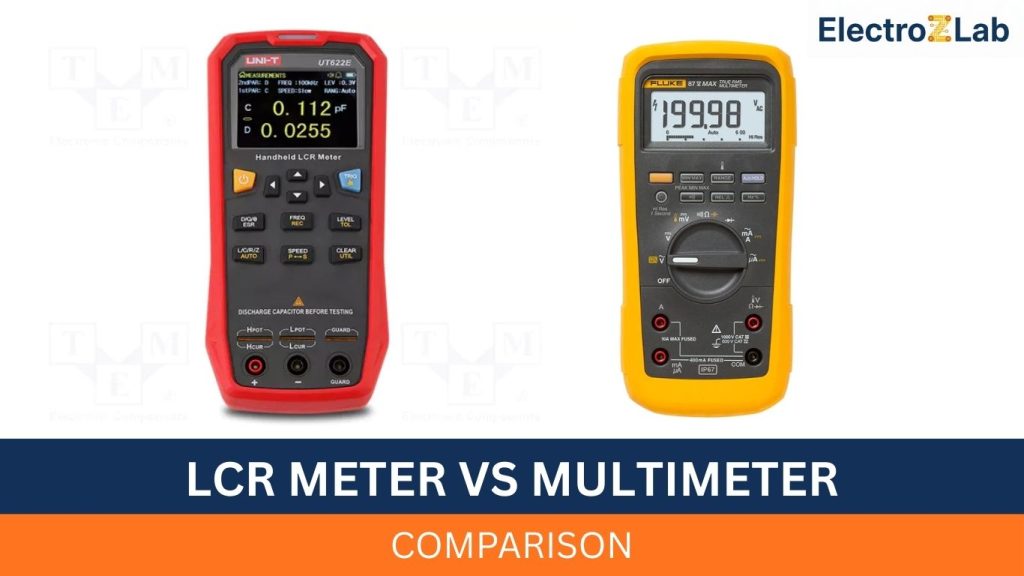
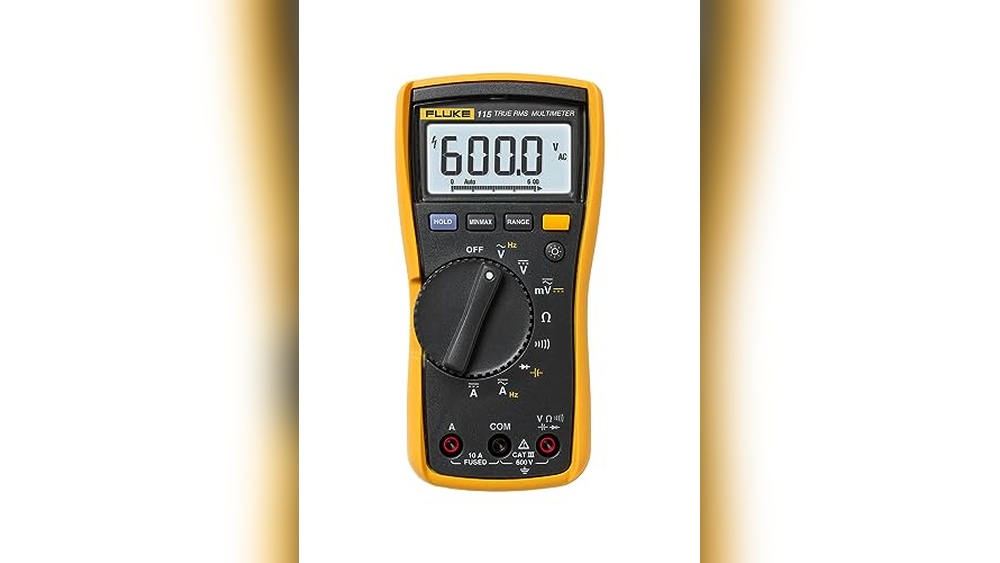
The Fluke 115 and Fluke 87V are both digital multimeters designed for electrical testing. Each offers distinct features suited to different levels of troubleshooting and measurement needs. Understanding their differences helps in choosing the right tool for specific tasks.
The core difference between the two lies in their measurement range and specialized functions.
After reading, you will be able to decide which multimeter fits your daily work better.
Quick Guide To Choosing Between Fluke 115 And Fluke 87v
- Choose the Fluke 115 if you need a compact multimeter for general field measurements up to 600 V and 10 A.
- Pick the Fluke 87V when working with higher voltages, up to 1000 V, and require advanced troubleshooting features.
- Fluke 115 is suitable for users who prioritize portability and basic True-RMS measurements.
- Fluke 87V fits well for industrial environments needing precise frequency and peak capture functions.
- Select Fluke 87V if you often measure signals with variable speeds or need enhanced display resolution.
How These Multimeters Perform In Everyday Tasks
The Fluke 115 is easy to handle with one hand and works well in tight spaces. It’s my go-to tool for quick checks of voltage, current, and resistance on site. The backlight helps when working in dim areas.
The Fluke 87V feels robust and reliable for more complex diagnostics. It handles higher voltages with ease and lets you catch fast signal changes with its peak capture. It fits well in industrial setups where detailed measurements are needed.
Fluke 115 At A Glance For Field Technicians

Where Fluke 115 Excels
- Compact and portable for field use
- True-RMS measurements for accurate voltage and current
- Backlight for working in low-light conditions
- Safety rated for CAT III 600V environments
Limitations of Fluke 115
- Voltage measurement limited to 600 V
- Lacks advanced features like peak capture
- Not designed for heavy industrial troubleshooting
Fluke 87v At A Glance For Industrial Use

Where Fluke 87V Stands Out
- Measures up to 1000 V AC/DC for industrial needs
- Peak capture to catch fast signal changes
- Low-pass filter for accurate frequency on adjustable speed drives
- Switchable high display resolution for detailed readings
Areas Where Fluke 87V May Lag
- Heavier and less compact than Fluke 115
- Higher price point
- More complex for beginners to operate
Comparing Practical Features For Electrical Testing
In daily use, I focused on how each multimeter handles common measurements and specialized troubleshooting. The comparison includes ease of use, measurement capabilities, and suitability for different environments.
Which Multimeter Handles Voltage and Current Better?
Both multimeters measure AC/DC voltage and current, but their ranges differ. The Fluke 87V covers higher voltage levels, which is essential for industrial tasks.
| Aspect | Fluke 115 | Fluke 87V |
|---|---|---|
| Maximum Voltage | 600 V | 1000 V |
| Maximum Current | 10 A | 10 A |
| Safety Rating | CAT III 600V | CAT III 1000V, CAT IV 600V |
| True RMS Measurement | Yes | Yes |
Ratings: Fluke 115 – 7/10 | Fluke 87V – 9/10
Edge: Fluke 87V suits higher voltage work better, while Fluke 115 is practical for standard field measurements.
How Do They Compare in Frequency and Signal Capture?
The Fluke 87V offers specialized features like a low-pass filter and peak capture, which the Fluke 115 lacks. These are useful for complex signals.
| Aspect | Fluke 115 | Fluke 87V |
|---|---|---|
| Frequency Measurement | Yes | Yes, with low-pass filter |
| Peak Capture | No | Yes |
| Signal Resolution | Standard | Switchable high resolution |
| Use on Adjustable Speed Drives | Limited | Accurate with low-pass filter |
Ratings: Fluke 115 – 6/10 | Fluke 87V – 9/10
Edge: Fluke 87V is better for advanced signal analysis.
Which Device Offers Better Portability and Ease of Use?
The Fluke 115 is smaller and lighter, making it easier to carry around. The Fluke 87V is heavier and more complex.
| Aspect | Fluke 115 | Fluke 87V |
|---|---|---|
| Weight | 1.32 pounds | 1.3 pounds |
| Dimensions | 167 x 84 x 46 mm | 3.5 x 6.5 x 9.49 inches |
| Handling | Compact, one-handed use | Bulkier, two-handed preferred |
| Backlight | Large white LED | Standard display backlight |
Ratings: Fluke 115 – 9/10 | Fluke 87V – 7/10
Edge: Fluke 115 is better for portability and quick checks.
How Do They Compare in Price and Value?
The Fluke 115 is more affordable and targets basic to intermediate users. The Fluke 87V comes at a higher price with advanced features.
| Aspect | Fluke 115 | Fluke 87V |
|---|---|---|
| Price | $197.99 | $485.99 |
| Included Accessories | Battery, holster, 4mm test leads | TL75 test leads, alligator clips, temp probe |
| Savings | 29% off original price | 14% off original price |
Ratings: Fluke 115 – 8/10 | Fluke 87V – 6/10
Edge: Fluke 115 offers better value for general use.
What To Expect Long-term With These Multimeters
The Fluke 115 has a gentle learning curve, making it easy to trust for everyday tasks. Its consistency and simplicity provide peace of mind for routine measurements.
The Fluke 87V requires more time to master due to its advanced features. Once familiar, it offers reliable performance for complex troubleshooting and industrial use.
Choosing The Right Fluke Multimeter For Your Needs
The Fluke 115 suits technicians who need a reliable, portable multimeter for basic to intermediate electrical testing. Its compact design and True-RMS capabilities cover most field applications.
The Fluke 87V is better for professionals working in industrial settings who require high voltage measurement and advanced functions like peak capture and low-pass filtering. It handles detailed diagnostics with more precision.
Both are solid tools, but your choice depends on the complexity of your work and measurement range requirements.
Common Questions About Fluke 115 Vs 87v Multimeters
Can the Fluke 115 measure the same voltage range as the Fluke 87V?
No, the Fluke 115 measures up to 600 V, while the Fluke 87V can handle up to 1000 V AC/DC, making it better for higher voltage tasks.
Is the Fluke 87V suitable for beginners?
The Fluke 87V has more advanced features and a steeper learning curve. Beginners might find the Fluke 115 easier to use initially.
Do both multimeters provide True RMS measurements?
Yes, both Fluke 115 and Fluke 87V provide True RMS readings for accurate voltage and current measurement.
Which multimeter is better for fieldwork in tight spaces?
The Fluke 115 is more compact and portable, making it easier to handle in confined areas compared to the bulkier Fluke 87V.
Does the Fluke 87V include accessories for temperature measurement?
Yes, the Fluke 87V includes an 80BK temperature probe along with test leads and alligator clips, supporting more comprehensive testing.
Are both multimeters safe to use in industrial environments?
Both have safety ratings, but the Fluke 87V has a higher CAT rating (CAT III 1000V, CAT IV 600V), making it more suitable for industrial settings.
Is the price difference justified between the two models?
The Fluke 87V costs more due to its advanced features and higher voltage capability. The Fluke 115 offers good value for general measurements at a lower price.

I’m Asif Ur Rahman Adib, an Electrical Engineer and lecturer. My journey began in the lab, watching students struggle with instruments they used every day without fully understanding them. Over time, I’ve combined teaching, research, and hands-on experience to help others grasp electrical concepts clearly, safely, and practically—whether it’s understanding a circuit or mastering a multimeter.