How To Decide Between Two Fluke Clamp Meters
- Pick Fluke 324 if you need basic temperature and capacitance measurements on a budget.
- Choose Fluke 325 when frequency measurement is essential for your tasks.
- Go with Fluke 324 for straightforward AC/DC voltage and current readings with solid safety ratings.
- Prefer Fluke 325 if prime shipping and a slight discount matter to you.
- Fluke 324 makes more sense for users focused on clamp meters without extra multi-tester features.
- Fluke 325 is the safer bet for those needing a versatile clamp meter with frequency capabilities.
Does The Fluke 324 Cover Essential Clamp Meter Needs?
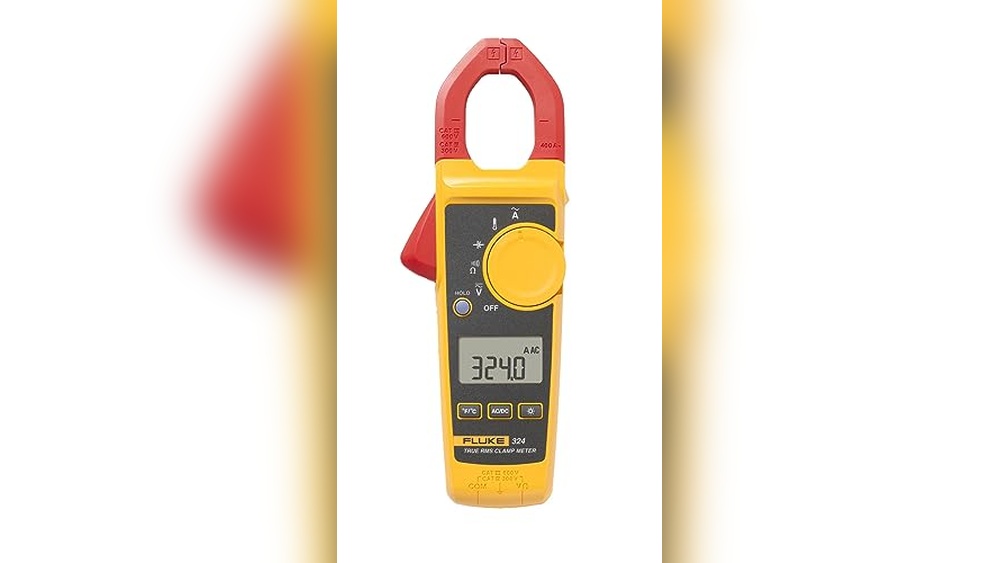
Yes, the Fluke 324 covers fundamental clamp meter functions well. It measures AC current up to 400 amps, AC/DC voltage up to 600 volts, and resistance to 4000 ohms. It also includes temperature and capacitance measurements, adding useful versatility. True RMS sensing ensures readings remain accurate regardless of waveform shape.
In everyday use, I find the Fluke 324 comfortable to hold and easy to operate. The jaw opening fits most conductors without interrupting circuits. The backlit display helps in low-light areas, and the audible continuity sensor is handy for quick checks. It feels reliable and built with safety standards that matter in residential and light commercial settings.

What it does best in clamp meter functions
- Measures AC current to 400 amps with True RMS accuracy
- Measures AC/DC voltage up to 600 volts
- Includes temperature and capacitance measurements
- Audible continuity sensor for quick circuit checks
- Jaw opening fits conductors up to 30 mm without circuit interruption
- Meets IEC safety standard 61010-1 for CAT IV 300V and CAT III 600V
What to know before you buy this clamp meter
- Does not measure frequency unlike some multi-testers
- Backlit display is helpful but not as bright as higher-end models
- Shipping is standard, not prime eligible
- Weight is around 0.66 pounds, comfortable but slightly heavier than some alternatives
Practical thoughts on the Fluke 324 clamp meter
This meter suits technicians needing reliable clamp measurements without extra complexity. It removes stress by giving consistent True RMS readings and safety compliance. Beginners find it straightforward; experienced users appreciate its focus on core functions. In my experience, simple meters like this reduce mistakes by limiting unnecessary options. A practical tip is to regularly check the jaw opening fit before measurement. Overall, it offers peace of mind for everyday electrical troubleshooting.
Is The Fluke 325 Worth Choosing For Added Measurement Features?
It depends on your measurement needs. The Fluke 325 includes all functions of the 324 and adds frequency measurement. This can be important for diagnosing more complex electrical systems. Like the 324, it has True RMS sensing and measures AC current up to 400 amps, AC/DC voltage to 600 volts, and resistance to 4000 ohms. It also measures temperature and capacitance, making it a more versatile tool overall.
I find the Fluke 325 handy when working with systems where frequency matters. The device feels slightly lighter and benefits from faster shipping with prime availability. It has a familiar user interface and jaw opening size, making it easy to switch between meters. The discount compared to original price adds value without sacrificing performance. For daily tasks, it handles both simple and slightly advanced measurements comfortably.

What it excels at in multi-tester capabilities
- Includes frequency measurement alongside other clamp meter functions
- True RMS sensing for accurate readings on complex waveforms
- Measures temperature and capacitance for broader applications
- Smaller weight improves handling during extended use
- Prime shipping and a slight price discount available
- Safety ratings support CAT IV 300V and CAT III 600V installations
Important considerations before selecting this multi-tester
- Price is slightly higher than basic clamp meters but justified by extra features
- May be more than needed for simple current and voltage checks
- Size and interface similar to Fluke 324, so no learning curve
- Offers better value when frequency measurement is routinely required
Insights on the Fluke 325’s practical use
The Fluke 325 fits users who need a bit more from their clamp meter without adding bulk. It reduces stress by consolidating frequency and other measurements in one device. Beginners might find it slightly more complex, but experienced users benefit from its wider scope. I recommend keeping the manual handy when measuring frequency for the first time. In my experience, this meter provides reliable results with minimal fuss. It offers confidence for diverse electrical tasks.
Key Questions To Help You Choose The Right Clamp Meter
Do you need to measure electrical frequency regularly, or just current and voltage? Is having temperature and capacitance readings important for your typical tasks? How important is safety rating for your work environment? Do you prefer faster shipping and slight price savings? Are you comfortable with a slightly more complex device or want something straightforward? Will you benefit from a meter focused on clamp functions alone or a multi-tester style tool?Comparing Two Fluke Clamp Meters In Everyday Electrical Use
Both models offer accurate True RMS measurements and strong safety compliance. The 324 focuses on core clamp meter features with added temperature and capacitance. The 325 extends those with frequency measurement and prime shipping availability. Handling and dimensions remain nearly identical. Value perception varies based on feature needs and buying preferences.Which model provides the best measurement range and accuracy?
Both models measure AC current to 400 amps and AC/DC voltage to 600 volts. True RMS sensing is present on both, ensuring accuracy on non-linear loads. Their resistance and temperature measurement ranges also match closely.| Metric | Fluke 324 | Fluke 325 |
|---|---|---|
| AC Current | Up to 400 amps | Up to 400 amps |
| AC/DC Voltage | Up to 600 V | Up to 600 V |
| Resistance | Up to 4000 ohms | Up to 4000 ohms |
| Temperature | Included | Included |
| Frequency | Not available | Included |
How do the safety and build standards compare?
Both units meet IEC 61010-1 safety standards. They are rated for CAT IV 300V and CAT III 600V environments. Build dimensions and weight are nearly the same, offering comfortable handling.| Decision point | Fluke 324 | Fluke 325 |
|---|---|---|
| Safety Rating | CAT IV 300V, CAT III 600V | CAT IV 300V, CAT III 600V |
| Weight | 0.66 pounds | 0.65 pounds |
| Dimensions | 3.15x11x9.45 inches | 3.15x11x9.45 inches |
| Durability | Standard robust build | Standard robust build |
What about ease of use and interface?
Both meters have similar interfaces with clear displays and audible continuity sensors. The 324 includes a backlit display, and the 325 maintains familiar controls with a slightly lighter weight.| Use case | Fluke 324 | Fluke 325 |
|---|---|---|
| Display | Backlit LCD | Backlit LCD |
| Continuity Sensor | Audible | Audible |
| Weight for handheld use | 0.66 pounds | 0.65 pounds |
| User Complexity | Basic clamp functions | Includes frequency, slightly more complex |
How do price and availability influence the decision?
The 324 is priced slightly lower but does not offer prime shipping. The 325 has a small discount from original price and is prime eligible, making it more accessible for faster delivery.| Metric | Fluke 324 | Fluke 325 |
|---|---|---|
| Current Price | $299.00 | $300.00 (discounted from $329.99) |
| Shipping | Standard, 2-3 days | Prime eligible, faster delivery |
| Discount | None | $29.99 (9%) |
| Merchant Rating | 4.84 (29 feedback) | 4.93 (169 feedback) |
Making The Final Call Between Fluke Clamp Meters
Choose the Fluke 324 if you want a straightforward clamp meter with temperature and capacitance measurements. It fits those who value simplicity and solid safety features without extra bells and whistles.
The Fluke 325 is better for users who need frequency measurement and prefer faster shipping. It suits professionals who want a versatile multi-tester that covers more diagnostic needs.
When in doubt, consider how often you need frequency readings; this usually breaks the tie. Both are reliable instruments, so your choice should reflect your specific measurement priorities.
Common Questions About Fluke 324 Vs 325 Clamp Meters
Can the Fluke 324 measure frequency?
No, the Fluke 324 does not include frequency measurement. If this feature is important, the Fluke 325 is the better option.
Are these meters safe for residential electrical work?
Yes, both meters meet IEC 61010-1 safety standards. They are rated for CAT IV 300V and CAT III 600V, suitable for most residential and commercial jobs.
Is there much difference in handling between the two models?
Handling and size are very similar. The Fluke 325 is slightly lighter but both feel comfortable and well-balanced for handheld use.
Will I notice a difference in accuracy between these meters?
Both use True RMS sensing for accurate readings. Accuracy differences are negligible for typical electrical troubleshooting.
Does the Fluke 325’s extra features complicate use for beginners?
The 325 adds frequency measurement, which may require reading the manual initially. However, its interface remains user-friendly, suitable for most skill levels.
What is the warranty or merchant reputation for these products?
Both come from reputable sellers with high ratings. Warranty details are standard for Fluke products and can vary by merchant.
How important is the jaw opening size?
Both meters have a jaw opening that fits conductors up to 30 mm. This size covers most common wires without disconnecting circuits.

I’m Asif Ur Rahman Adib, an Electrical Engineer and lecturer. My journey began in the lab, watching students struggle with instruments they used every day without fully understanding them. Over time, I’ve combined teaching, research, and hands-on experience to help others grasp electrical concepts clearly, safely, and practically—whether it’s understanding a circuit or mastering a multimeter.