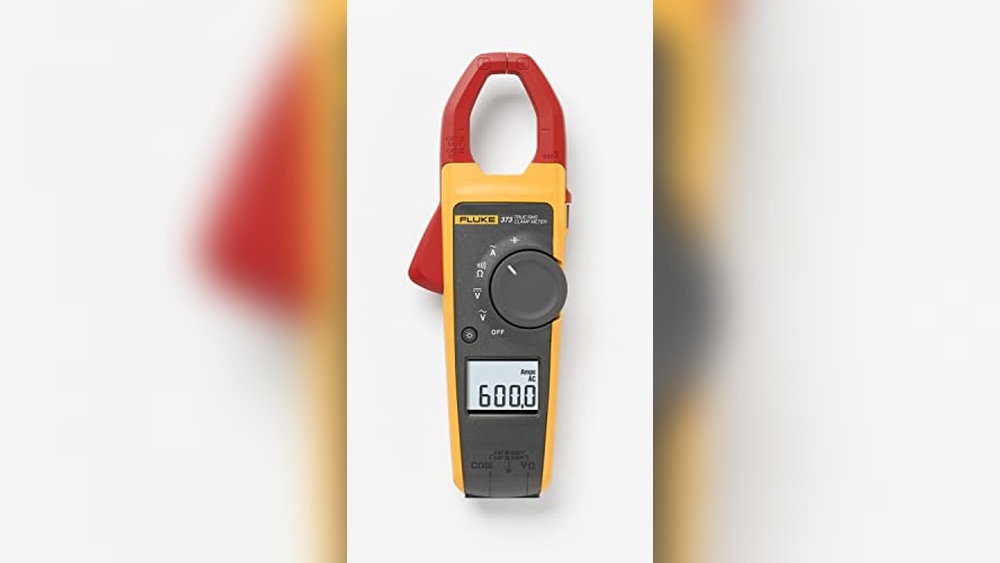
The Fluke 373 True-RMS AC Clamp Meter and the Fluke 323 Clamp Meter are two popular tools for measuring electrical current and voltage.
The 373 offers True-RMS for both AC and DC current, while the 323 focuses on AC current and AC/DC voltage measurements with continuity checks.
Imagine working on a noisy electrical site where you need stable readings without switching ranges constantly. Or maybe you’re troubleshooting home wiring and want a reliable meter that’s easy to carry. You might need to measure both AC and DC accurately or just check basic circuit continuity. Choosing the right clamp meter can make your daily tasks smoother and safer.
This article will help you understand the differences and decide which meter fits your needs better.
How Does The Fluke 373 True-rms Ac Clamp Meter Handle Challenging Electrical Environments?
Yes, the Fluke 373 is designed to perform well even in noisy electrical environments. It automatically sets the correct measurement range, so you don’t have to adjust the switch while working.
I found that its large backlit display makes it easy to read measurements in dim lighting. The True-RMS capability for both AC and DC voltage and current means it handles non-linear signals accurately. The stable readings give confidence when working around fluctuating electrical loads. Its soft carrying case helps protect it during transport. Overall, it feels like a reliable tool for professionals dealing with complex electrical systems.

Key technical strengths of the Fluke 373 clamp meter
- True-RMS measurement for both AC and DC current and voltage
- Automatic range selection for ease of use
- Large backlit display for clear readings
- Stable readings in noisy electrical environments
- Soft carrying case included for protection
What users appreciate about this clamp meter
- Reliable performance on non-linear signals
- Easy to read display even in low light
- Comfortable handling and lightweight design
- Good for professionals working with complex electrical systems
- Minimal need to change settings during measurements
Considerations when using the Fluke 373
- Higher price compared to simpler meters
- May be more advanced than needed for basic tasks
- Only clamps up to 1.26 conductor size
When the Fluke 373 is the right choice for your work
This clamp meter is best for electricians and technicians who need accurate True-RMS readings on both AC and DC currents. It makes life easier by reducing measurement errors and eliminating the need to adjust ranges manually. Beginners can use it with some familiarization, but it’s especially suited for experienced users handling complex loads. A practical tip is to keep the backlight enabled when working in dim environments for quick readability. In my experience, the 373 provides peace of mind with consistent, stable measurements that help avoid troubleshooting errors.
What Does The Fluke 323 Clamp Meter Offer For Everyday Electrical Tasks?
It depends on your measurement needs, but the Fluke 323 is a solid choice for general electrical work. It measures AC current to 400 amps and AC/DC voltage to 600 volts, plus resistance and continuity.
This meter is straightforward and practical. I liked its audible continuity sensor, which helped confirm circuit connections quickly. The jaw opening fits conductors up to 30 millimeters, which covers most residential and commercial wiring. It meets important safety standards, so you can feel secure using it on various installations. The included soft case and 2-year warranty add value for everyday use without overwhelming complexity.

Important features that define the Fluke 323 clamp meter
- Measures AC current up to 400 amps, but no DC current measurement
- True RMS sensing for accurate readings on various load types
- Resistance measurement up to 4 kilo ohms with continuity detection
- Jaw opening fits conductors up to 30 millimeters
- Meets IEC safety standards for CAT III and IV installations
What this clamp meter handles well in practical use
- Quick continuity checks with audible alert
- Compact and lightweight for easy handling
- Good accuracy on AC current and voltage readings
- Simple operation suitable for many electricians
- Reliable build quality with a decent warranty
Limitations to keep in mind with the Fluke 323
- Does not measure DC current
- Lower maximum current range compared to some advanced meters
- Display size is smaller than some higher-end models
Ideal scenarios to consider the Fluke 323 clamp meter
The 323 is best for electricians who primarily work with AC current and need basic voltage, resistance, and continuity checks. It simplifies daily electrical troubleshooting without extra features that might confuse beginners. Experienced users will appreciate its reliability for routine tasks. My tip is to use the audible continuity function often to quickly verify wiring without checking the display. In my experience, this meter offers peace of mind through straightforward operation and solid safety compliance.
How The Fluke 373 And Fluke 323 Compare In Everyday Electrical Measurements
I tested both meters in typical electrical work scenarios, like checking circuits in residential and commercial settings. I looked at ease of use, accuracy, and versatility in measuring current, voltage, and continuity. Handling and display clarity were also important, as was safety rating. These tests gave a practical view of how each meter performs under real conditions.
Which meter offers more accurate current readings?
The Fluke 373 supports True-RMS measurement for both AC and DC current, while the Fluke 323 measures only AC current with True RMS sensing. This makes the 373 more versatile for mixed current types.
| Metric | Fluke 373 True-RMS AC Clamp Meter | Fluke 323 Clamp Meter |
|---|---|---|
| AC Current Measurement | Yes, True RMS | Yes, True RMS |
| DC Current Measurement | Yes | No |
| Max Current Range | 1.26 conductor size clamp | 400 A clamp |
Rating: The 373 is stronger for mixed AC/DC current measurement. The 323 is sufficient for AC only.
Edge: Choose the 373 for more comprehensive current sensing needs.
How do the meters compare on voltage and resistance checks?
Both meters measure AC and DC voltage well, but the 323 includes resistance measurement up to 4 kΩ with audible continuity detection, a useful feature for basic troubleshooting.
| Metric | Fluke 373 True-RMS AC Clamp Meter | Fluke 323 Clamp Meter |
|---|---|---|
| AC/DC Voltage Measurement | Yes, True RMS | Yes, True RMS |
| Resistance Measurement | Not specified | Up to 4 kΩ with continuity |
| Continuity Detection | No mention | Audible sensor included |
Rating: The 323 covers resistance and continuity clearly, aiding troubleshooting. The 373 focuses more on current and voltage.
Edge: The 323 suits users needing resistance and continuity tests.
What are the differences in display and ease of use?
The 373 features a large backlit display with automatic range setting, reducing manual adjustments. The 323 has a smaller display but offers simple controls and audible continuity alerts.
| Metric | Fluke 373 True-RMS AC Clamp Meter | Fluke 323 Clamp Meter |
|---|---|---|
| Display Size | Large backlit | Smaller, no backlight mention |
| Range Setting | Automatic | Manual |
| Audible Alerts | No | Yes, continuity |
Rating: The 373 is easier to read and use in varied lighting. The 323 offers audible feedback for continuity.
Edge: For clear display and auto-ranging, the 373 is better. For audible cues, the 323 leads.
How do safety ratings and build quality compare?
Both meters meet important safety standards. The 323 is rated for CAT IV 300V and CAT III 600V. The 373’s specs indicate it’s designed for stable readings in noisy environments, implying robust build quality.
| Metric | Fluke 373 True-RMS AC Clamp Meter | Fluke 323 Clamp Meter |
|---|---|---|
| Safety Rating | Designed for noisy environments | CAT IV 300V, CAT III 600V |
| Carrying Case | Soft case included | Soft case included |
| Weight | 0.82 pounds | 0.66 pounds |
Rating: Both are safe and portable. The 323 has a clear CAT rating. The 373 focuses on measurement stability.
Edge: The 323 may appeal more to safety-conscious users in defined installation categories.
Which clamp meter fits better for fieldwork and portability?
The Fluke 323 is slightly lighter and smaller, making it easier to carry around. The 373 is larger but still manageable with its soft case.
| Metric | Fluke 373 True-RMS AC Clamp Meter | Fluke 323 Clamp Meter |
|---|---|---|
| Dimensions (H x W x L) | 5.91 x 11.02 x 12.99 inches | 3.15 x 11.0 x 9.45 inches |
| Weight | 0.82 pounds | 0.66 pounds |
| Jaw Opening | 1.26 conductor size | 30 mm conductor |
Rating: The 323 is more compact and lighter, ideal for portability. The 373 offers a larger clamp size.
Edge: Choose the 323 for easier transport and handling during fieldwork.
Choosing The Right Clamp Meter Between Fluke 373 And 323
If you need a clamp meter that handles both AC and DC current with True-RMS accuracy and stable readings in complex electrical environments, the Fluke 373 is the better fit. It suits electricians who often work with mixed current types and require automatic range adjustments to speed up their tasks. This meter brings confidence through its clear display and robust signal processing.
On the other hand, the Fluke 323 is ideal for those focused on AC current measurement with added resistance and continuity testing. It’s simpler, lighter, and meets strong safety standards, making it a practical choice for residential and commercial electricians who want reliable performance without extra complexity. Beginners will find it easier to operate.
Both meters serve different needs well, so your choice should match the type of electrical work you do.
Common Questions About Fluke 373 Vs 323 Clamp Meters
Can the Fluke 323 measure DC current like the 373?
No, the Fluke 323 does not measure DC current. The 373 offers True-RMS measurement for both AC and DC currents, which is useful if you need to test DC circuits.
Is the display on the Fluke 373 easier to read in low light compared to the 323?
Yes, the Fluke 373 has a large backlit display that improves readability in dim environments. The 323’s display is smaller and does not mention backlighting, so it may be harder to see in poor light.
Which meter is better for checking circuit continuity?
The Fluke 323 includes an audible continuity sensor, making it quick and easy to confirm if a circuit conducts electricity. The Fluke 373 does not specifically mention a continuity feature.
Are both meters safe to use on commercial electrical installations?
Yes, both meters meet safety standards suitable for commercial use. The Fluke 323 is rated for CAT IV 300V and CAT III 600V installations, while the 373 is designed for noisy environments with stable readings, indicating strong build quality.
Which clamp meter is more portable for fieldwork?
The Fluke 323 is lighter and smaller, making it more portable and easier to carry around during fieldwork. The Fluke 373 is larger but still manageable with its soft carrying case.

I’m Asif Ur Rahman Adib, an Electrical Engineer and lecturer. My journey began in the lab, watching students struggle with instruments they used every day without fully understanding them. Over time, I’ve combined teaching, research, and hands-on experience to help others grasp electrical concepts clearly, safely, and practically—whether it’s understanding a circuit or mastering a multimeter.