When working with electrical systems, having the right clamp meter is crucial for accurate and safe measurements. Many buyers confuse wireless clamp meters with non-contact voltage testers, leading to unsuitable purchases. Often, the choice boils down to features like Bluetooth connectivity, measurement capabilities, and safety technologies. Some expect all-in-one tools without considering specific daily tasks. Understanding these differences can simplify the selection process. By the end of this review, you will know which meter fits your work style and needs best.
Which Clamp Meter Fits Your Electrical Testing Needs?
- Pick Fluke 376 FC if you want reliable wireless logging and app connectivity.
- Choose Fluke 378 FC when you need non-contact voltage detection and power quality checks.
- Go with Fluke 376 FC for basic current measurement and trend analysis outside hazard zones.
- Prefer Fluke 378 FC if you want advanced FieldSense technology for safer testing.
- Fluke 376 FC makes more sense for users who want a lighter, compact clamp meter.
- Fluke 378 FC is the safer bet for thorough three-phase voltage and current diagnostics.
Is The Fluke 376 Fc Wireless Clamp Meter Suitable For Everyday Electrical Work?
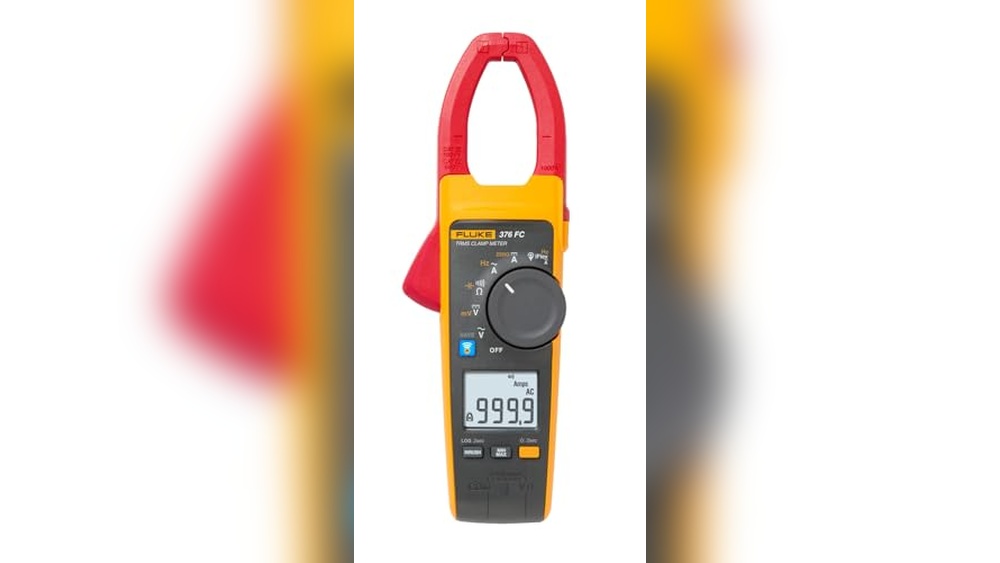
Yes, the Fluke 376 FC is well-suited for daily electrical measurements because it offers wireless data logging and Bluetooth connectivity. Its ability to trend measurements and locate intermittent faults makes it practical for maintenance tasks. The Bluetooth feature allows you to stay clear of arc flash zones while monitoring readings on your device.
In daily use, I found the Fluke 376 FC easy to carry and comfortable to handle due to its compact size and lightweight design. The wireless transmission to the Fluke Connect app simplifies data sharing without interrupting work. It performs well in capturing AC/DC current measurements, which covers most routine tasks. This clamp meter fits well in situations where safety and convenience are priorities.

What the Fluke 376 FC Excels at in Clamp Meter Use
- Wireless data logging and trending of measurements
- Bluetooth connection for remote monitoring via mobile app
- Pinpointing intermittent faults safely outside arc flash zones
- Accurate AC/DC current measurement up to 1000A
What to Consider Before Choosing Fluke 376 FC
- Lacks non-contact voltage detection found in some advanced models
- No power quality indicator for diagnosing electrical supply issues
- Not equipped with FieldSense technology for contactless voltage measurement
A Practical Take on the Fluke 376 FC
This model suits technicians who prioritize wireless data sharing and safe measurement logging. It removes the stress of manually recording readings and keeps you away from live voltage dangers. Beginners will find it straightforward, while experienced users appreciate its practical features. In my experience, its compactness and app connectivity improve workflow efficiency. A useful tip is to pair it with your smartphone for instant data access. It offers peace of mind through reliable measurements and safety features.
Does The Fluke 378 Fc Offer Advantages For Complex Electrical Testing?
It depends on your testing needs. The Fluke 378 FC adds non-contact voltage measurement and a power quality indicator, which are valuable for diagnosing equipment and supply issues. Its FieldSense technology allows voltage and current measurements without touching live wires, enhancing safety. This makes it suitable for more advanced and thorough electrical troubleshooting.
Using the Fluke 378 FC feels more comprehensive due to its multi-function capabilities. I noticed it is bulkier and heavier but offers faster testing with fewer steps, especially for three-phase systems. The power quality indicator helps detect faults that typical clamp meters might miss. This model suits users who require detailed diagnostics and prioritize safety with non-contact measurements.

Key Strengths of the Fluke 378 FC in Electrical Diagnostics
- Non-contact voltage detection with FieldSense technology
- Power quality indicator for identifying faulty equipment or power lines
- Efficient three-phase voltage and current tests
- Wireless data transmission for convenience
- Enhanced safety by avoiding direct contact with live circuits
Important Points About the Fluke 378 FC Before Buying
- Heavier and larger compared to simpler clamp meters
- Higher price point reflecting advanced features
- May offer more functions than necessary for basic tasks
An Experienced View on the Fluke 378 FC
This clamp meter is best for professionals needing advanced diagnostics and safer testing methods. It removes the stress of uncertainty in power quality and voltage presence. Beginners might find it complex, but it rewards experienced users with efficiency and detailed insights. I recommend using it alongside the app for full benefit. The extra features provide peace of mind when working on critical electrical systems. In my experience, it’s a reliable tool for demanding electrical troubleshooting.
Questions That Help Decide Between These Clamp Meters
Do you need non-contact voltage detection for safer testing? Is wireless data logging important for your workflow? Are you often testing three-phase electrical systems? How much do you value a power quality indicator? Will the size and weight affect your daily use? What level of complexity are you comfortable managing in a clamp meter?
Comparing Wireless Clamp Meters For Practical Electrical Use
This comparison focuses on how each meter performs in regular tasks like current measurement, voltage detection, and data sharing. We looked at safety features, ease of use, and the convenience of wireless connectivity. Each meter suits different user needs depending on the complexity of the electrical systems they handle. The goal is to highlight which tool simplifies daily work best.
Which Model Provides Safer Voltage Measurement?
The Fluke 378 FC offers non-contact voltage measurement through FieldSense technology, improving safety by avoiding direct contact. The Fluke 376 FC requires contact but allows you to stay outside arc flash zones thanks to Bluetooth monitoring.
| Metric | Fluke 376 FC | Fluke 378 FC |
|---|---|---|
| Voltage Detection | Contact required | Non-contact with FieldSense |
| Safety Level | Good with Bluetooth distancing | Higher due to non-contact tech |
| Power Quality Indicator | No | Yes |
| Use in Live Systems | Possible with care | Safer and faster |
Ratings: Fluke 376 FC – 7/10 | Fluke 378 FC – 9/10
So what? Professionals prioritizing safety in voltage detection should prefer the Fluke 378 FC.
How Do They Compare in Wireless Connectivity and Data Logging?
Both models support wireless data transmission, but the Fluke 376 FC focuses more on logging and trending measurements via the app. The Fluke 378 FC also transmits data but emphasizes real-time power quality diagnostics.
| Decision point | Fluke 376 FC | Fluke 378 FC |
|---|---|---|
| Bluetooth Connectivity | Yes, for remote monitoring | Yes, with app support |
| Data Logging | Strong with trending features | Available, less focused |
| App Integration | Fluke Connect Measurements app | Fluke Connect Measurements app |
| Real-time Analysis | Basic current trends | Power quality and voltage checks |
Ratings: Fluke 376 FC – 8/10 | Fluke 378 FC – 8/10
So what? Choose based on whether you need detailed trend logging or power quality focus.
Which Clamp Meter Is Easier to Handle Daily?
The Fluke 376 FC is lighter and more compact, making it easier to carry and manipulate during routine checks. The Fluke 378 FC is bulkier but offers more functions, which might affect ease of use for some users.
| Use case | Fluke 376 FC | Fluke 378 FC |
|---|---|---|
| Weight | 0.87 pounds | 3.28 pounds |
| Dimensions (HxWxL) | 3.74″x13″x10.63″ | 12.47″x17.78″x4.06″ |
| Portability | High | Moderate |
| Ease of Use | Simple interface | More complex |
Ratings: Fluke 376 FC – 9/10 | Fluke 378 FC – 7/10
So what? If portability and simplicity matter most, the Fluke 376 FC is preferable.
How Do They Compare on Pricing and Value?
The Fluke 376 FC is more affordable with a 32% discount, offering good value for wireless logging needs. The Fluke 378 FC is pricier but includes advanced features that justify the cost for specialized tasks.
| Metric | Fluke 376 FC | Fluke 378 FC |
|---|---|---|
| Current Price | $479.00 | $768.75 |
| Original Price | $699.99 | $1,009.99 |
| Savings Percentage | 32% | 24% |
| Value for Features | Good for logging | Better for advanced testing |
Ratings: Fluke 376 FC – 8/10 | Fluke 378 FC – 7/10
So what? Budget-conscious users should consider the Fluke 376 FC, while advanced users may invest more in the 378 FC.
Making The Right Choice For Electrical Clamp Meters
Choose the Fluke 376 FC if you want a lightweight, user-friendly clamp meter focused on wireless measurement logging and safe current monitoring. It suits technicians performing routine electrical maintenance who prefer compact tools with app support.
Pick the Fluke 378 FC if your work involves complex diagnostics, non-contact voltage detection, and power quality analysis. It fits professionals handling three-phase systems and those prioritizing safer, faster testing methods.
If you need a balance between portability and advanced features, consider how often you require non-contact voltage detection. Both meters are reliable, so your daily tasks and safety preferences should guide your decision.
Common Questions About Fluke 376 Fc Vs 378 Fc Clamp Meters
Can the Fluke 376 FC detect voltage without contact?
No, the Fluke 376 FC requires contact for voltage and current measurements but uses Bluetooth to keep you safely away from live parts.
Does the Fluke 378 FC support three-phase electrical testing?
Yes, it can perform complete three-phase voltage and current tests more efficiently than simpler clamp meters.
How important is the power quality indicator on the Fluke 378 FC?
It helps identify faulty equipment or poor power supply conditions, which is useful for preventive maintenance and troubleshooting.
Is the Fluke 376 FC suitable for beginners?
Yes, its simpler interface and focus on logging make it accessible for those new to clamp meters.
What are common mistakes when using these clamp meters?
One mistake is assuming all features are the same; users should match the meter’s capabilities to their specific needs to avoid overpaying or missing critical functions.
Can both meters transmit data wirelessly to smartphones?
Yes, both use Bluetooth to send measurement data to the Fluke Connect app for convenient remote monitoring and recording.
How does the weight difference affect daily use?
The Fluke 376 FC is lighter and easier to handle for extended periods, while the Fluke 378 FC’s weight reflects its more advanced features but may cause fatigue during long use.

I’m Asif Ur Rahman Adib, an Electrical Engineer and lecturer. My journey began in the lab, watching students struggle with instruments they used every day without fully understanding them. Over time, I’ve combined teaching, research, and hands-on experience to help others grasp electrical concepts clearly, safely, and practically—whether it’s understanding a circuit or mastering a multimeter.