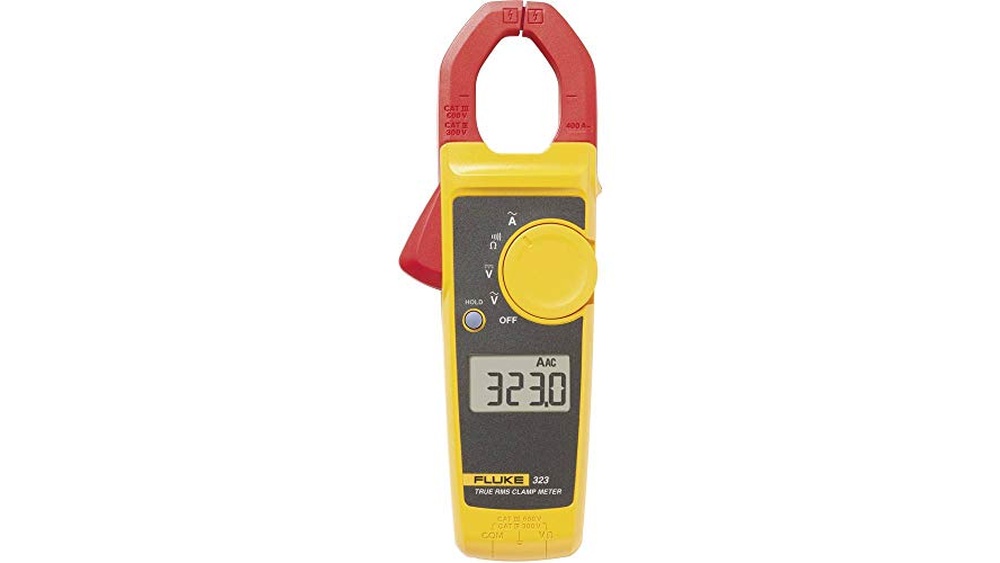
Choosing between the Fluke 323 clamp multimeter and the Fluke 324 True-RMS clamp meter can be challenging.
They differ mainly in measurement features and accuracy, suited for slightly different user needs.
Imagine working on household electrical repairs or checking automotive circuits. You want reliable readings without fuss. Sometimes you need to measure AC current precisely, and other times you want to check resistance or voltage quickly. Having the right tool can save time and reduce errors.
In this article, you’ll learn how these two clamp meters compare in daily use, helping you pick the one that fits your work style.
How Practical Is The Fluke 323 Clamp Multimeter For Basic Electrical Tasks?
Yes, it handles basic electrical measurements well for most home or light industrial work. It covers AC current, AC and DC voltage up to 600 volts, and resistance with continuity checks.
I found the Fluke 323 handy for quick checks without complicated setups. Its True RMS capability means it gives reliable readings on tricky waveforms. The clamp design lets me measure current without disconnecting wires, which is convenient. Its size feels balanced in hand, making it easy to carry around. It’s not overloaded with extra features, which helps keep things simple.
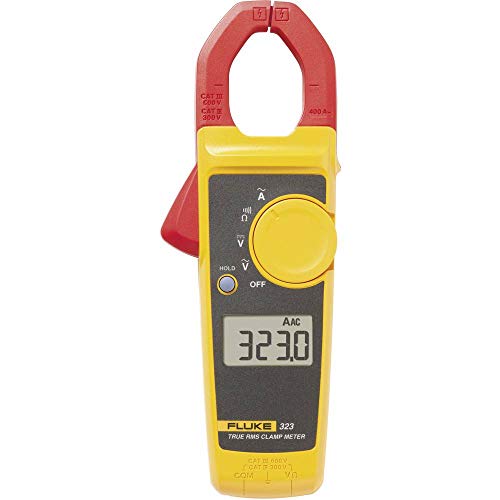
Key measurement features of the Fluke 323 clamp meter
- Measures AC current up to 400 A
- AC and DC voltage measurements up to 600 V
- Resistance measurement with continuity detection
- True RMS for accurate readings on non-linear signals
- Compact 8-inch pliers design
What users appreciate about the Fluke 323 clamp multimeter
- Easy to handle and operate with one hand
- Reliable True RMS measurements in various conditions
- Continuity beep helps quickly identify circuit issues
- Good for basic electrical troubleshooting and maintenance
Considerations before choosing the Fluke 323
- Lacks temperature and capacitance measurement features
- Not designed for heavy industrial or complex electrical systems
Who benefits most from the Fluke 323 clamp meter?
This clamp meter is ideal for electricians and DIYers who need a straightforward tool for everyday electrical tasks. It simplifies current and voltage checks without overwhelming with extra functions. In my experience, beginners find it accessible, while experienced users appreciate its reliability for routine use. A practical tip is to keep the meter handy for quick diagnostics to avoid delays. It offers peace of mind knowing your readings are accurate enough for most non-specialized jobs.
What Advantages Does The Fluke 324 True-rms Clamp Meter Offer For Detailed Electrical Work?
It depends on the complexity of your tasks, but the Fluke 324 adds useful features like temperature and capacitance measurement. It also maintains True RMS accuracy for reliable readings on all load types.
Using the Fluke 324, I noticed it’s designed for more comprehensive diagnostics. The backlit display is helpful in low-light conditions, and the jaw opening fits around larger conductors without disconnecting them. It meets higher safety standards, which suits more demanding environments. The extra functions like temperature sensing can be handy for HVAC or appliance repairs. Overall, it feels like a step up for users needing more than basic measurements.

Important features that define the Fluke 324 clamp meter
- Measures AC current up to 400 A and AC/DC voltage to 600 V
- Includes temperature and capacitance measurements
- True RMS sensing for accurate readings on any waveform
- Backlit display for visibility in dim environments
- Jaw opening fits conductors up to 30 mm without circuit interruption
- Meets IEC safety standards for CAT IV and CAT III ratings
Strengths experienced users notice with the Fluke 324
- Versatile functions support HVAC and appliance troubleshooting
- Improved safety ratings for tougher electrical environments
- Clear display with backlight aids use in various conditions
- Audible continuity sensor for quick checks
Trade-offs to consider with the Fluke 324 clamp meter
- Heavier and slightly bulkier than simpler models
- Higher price point may not suit casual users
When the Fluke 324 clamp meter makes sense for your toolkit
This meter fits professionals or serious hobbyists who need more than basic readings. It makes life easier by combining multiple measurement types in one device. Beginners might find it has a learning curve, but for experienced users, it offers a solid upgrade. In my experience, it’s helpful to familiarize yourself with the extra features gradually. Using this meter brings peace of mind when working in demanding or complex electrical environments.
How Do The Fluke 323 Clamp Multimeter And Fluke 324 Clamp Meter Compare In Everyday Electrical Troubleshooting?
I tested both meters on home wiring tasks, automotive circuits, and small appliance checks. I paid attention to how each meter handled current, voltage, resistance, and additional features like temperature sensing. Comfort and ease of use during quick diagnostics were key factors. Both offered True RMS accuracy, but the extra functions of the Fluke 324 stood out in specific situations. This comparison reflects practical use rather than technical lab data.
Which meter provides more accurate and versatile current and voltage readings?
Both meters offer True RMS measurements for AC current up to 400 A and voltage up to 600 V. The Fluke 324 adds DC voltage measurement with high safety ratings and better sensor capabilities.
| Metric | Fluke 323 clamp multimeter | Fluke 324 clamp meter |
|---|---|---|
| AC current max | 400 A | 400 A |
| AC voltage max | 600 V | 600 V |
| DC voltage max | 600 V | 600 V |
| True RMS | Yes | Yes |
| Resistance range | Up to 4 kΩ | Up to 4 kΩ |
Ratings: Both provide reliable electrical measurements suitable for general tasks.
Edge: Fluke 324 better suits users who need DC voltage and enhanced accuracy in tougher environments.
How do the meters differ in extra measurement functions like temperature and capacitance?
The Fluke 324 offers temperature and capacitance measurement, which the Fluke 323 does not. This makes it more versatile for HVAC or appliance work.
| Metric | Fluke 323 clamp multimeter | Fluke 324 clamp meter |
|---|---|---|
| Temperature measurement | No | Yes |
| Capacitance measurement | No | Yes |
| Continuity sensor | Yes | Yes |
Ratings: Fluke 324 leads with extra testing options.
Edge: Fluke 324 is preferable for users needing multi-function diagnostics.
What about ease of use and physical handling?
The Fluke 323 is lighter and simpler, while the Fluke 324 is heavier but includes a backlit display and larger jaw opening.
| Metric | Fluke 323 clamp multimeter | Fluke 324 clamp meter |
|---|---|---|
| Weight | 0.44 lbs | 0.66 lbs |
| Jaw opening size | Standard clamp size | Up to 30 mm conductor |
| Display | No backlight | Backlit |
Ratings: Fluke 323 is more compact; Fluke 324 offers better visibility and clamp size.
Edge: Fluke 323 suits quick, simple jobs; Fluke 324 fits detailed inspections in varied conditions.
How do safety standards compare between the two meters?
The Fluke 324 meets IEC 61010-1 CAT IV 300V and CAT III 600V safety standards, while the Fluke 323 has standard safety ratings appropriate for lighter tasks.
| Metric | Fluke 323 clamp multimeter | Fluke 324 clamp meter |
|---|---|---|
| Safety rating | Standard | IEC 61010-1 CAT IV 300V, CAT III 600V |
| Use environment | Home, light industrial | Industrial, commercial, home |
Ratings: Fluke 324 offers higher safety for demanding environments.
Edge: Fluke 324 is safer for industrial or commercial use; Fluke 323 fits lighter settings.
Which Clamp Meter Suits Your Electrical Work Better: Fluke 323 Or Fluke 324?
The Fluke 323 is a solid choice for users who want a simple, reliable clamp multimeter for everyday electrical tasks. It’s lighter, easier to use, and covers most basic measurements well. If you mainly do home repairs, automotive work, or simple troubleshooting, this meter offers practical value without overwhelming features.
The Fluke 324 works best for those needing more from their clamp meter. It’s suited to professionals or serious DIYers who require temperature and capacitance measurements, better safety ratings, and improved display visibility. If you often work in tougher environments or with more complex systems, this model offers greater versatility and peace of mind.
Both are dependable, but your choice depends on the complexity of your work and the features you need.
Common Questions About Fluke 323 Vs 324 For Everyday Use
Can I measure DC voltage with both the Fluke 323 and Fluke 324?
The Fluke 324 measures both AC and DC voltage up to 600 V, while the Fluke 323 primarily measures AC voltage and offers limited DC voltage measurement. For tasks needing reliable DC voltage readings, the Fluke 324 is the better option.
Is the Fluke 324 suitable for beginners compared to the Fluke 323?
The Fluke 323 is simpler and may be easier for beginners to use. The Fluke 324 has more features, which might require some time to learn. However, both have straightforward controls, so beginners can manage either with some practice.
How important is the True RMS feature in these meters?
True RMS ensures accurate readings on non-linear loads or complex waveforms, common in modern electronics. Both meters include this feature, which is valuable for reliable measurements in many situations.
Does the Fluke 324’s backlit display make a big difference?
Yes, the backlit display on the Fluke 324 helps when working in low-light or tight spaces. The Fluke 323 lacks this feature, which can make reading measurements harder in dim conditions.
Are these meters safe to use on household electrical systems?
Both meters are designed with safety in mind for household systems. The Fluke 324 meets higher IEC safety standards, making it more suitable for industrial or commercial use. The Fluke 323 is fine for typical home and light industrial tasks.

I’m Asif Ur Rahman Adib, an Electrical Engineer and lecturer. My journey began in the lab, watching students struggle with instruments they used every day without fully understanding them. Over time, I’ve combined teaching, research, and hands-on experience to help others grasp electrical concepts clearly, safely, and practically—whether it’s understanding a circuit or mastering a multimeter.