Deciding Between Power Probe 3 And 4 For Automotive Diagnostics
Choosing between these two testers depends on what you need from an electrical diagnostic tool. The Power Probe 3 offers a solid all-around set of features for automotive electrical systems. The Power Probe 4 adds more advanced measurement options and a color display. Consider how often you test components and the complexity of your tasks. Also, think about the device size and weight for your work style. The right choice will make your diagnostics smoother without extra hassle.
Who Typically Chooses Power Probe 3 Or 4?
- DIY car owners needing reliable basic circuit testing.
- Professional mechanics who test a variety of electrical components.
- Technicians requiring advanced signal measurement features.
- Users preferring compact and lightweight tools for easy handling.
- Those who want a clear display for quick data interpretation.
- Shoppers balancing budget with essential diagnostic functions.
Where Power Probe 3 Circuit Tester Fits Best
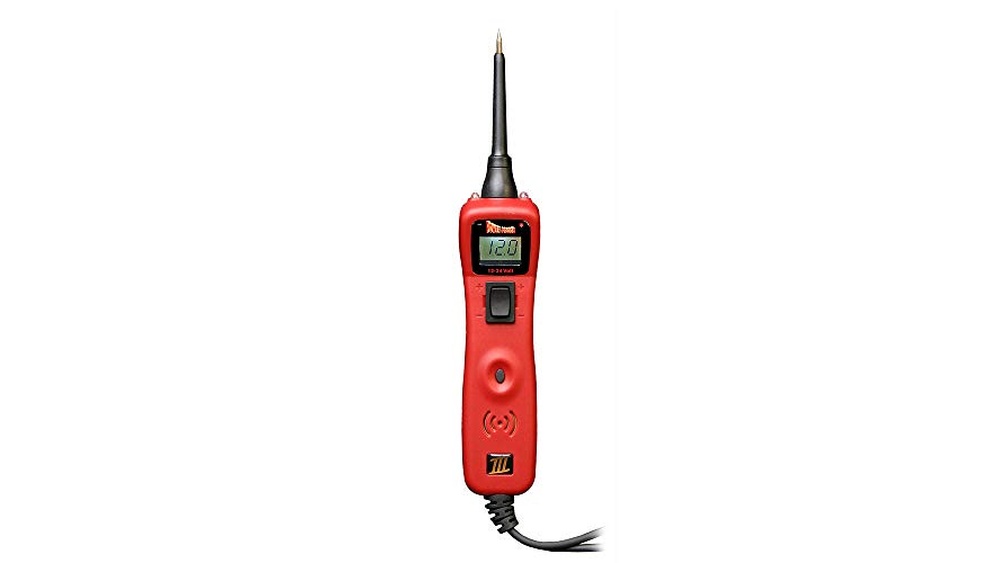
This tester works well for straightforward electrical diagnostics. I find its versatility helpful for quick checks without extra complexity. It suits those who want a dependable tool for everyday automotive electrical issues.

Features That Make Power Probe 3 Reliable
- Multi-functional tester for quick automotive electrical checks.
- Digital voltmeter with min/max and audible monitoring.
- Includes long 20-foot cord and battery hookup clips for flexibility.
- Compatible with 12-24 VDC systems for varied vehicle types.
- Compact size and lightweight for ease of use.
Limitations to Keep in Mind
- Lacks advanced signal measurements like frequency or pulse width.
- No color display for easier data reading in different light conditions.
When Power Probe 4 Offers More Value
If you need detailed signal testing or prefer a larger display, this model fits well. I appreciate its color LCD and additional functions for complex diagnostics. It’s suited for those who want a more feature-rich tester and don’t mind a bigger tool.

Advantages That Support Confident Testing
- Supplies power and ground for functional component testing.
- Includes digital volt and ohmmeter functions.
- Large color LCD for clear, easy-to-navigate menus.
- Measures AC-RMS, frequency, and pulse width signals.
- Good for detailed diagnostics beyond basic voltage checks.
Possible Drawbacks to Consider
- Heavier and larger, which might be less convenient for some users.
- More complex features may have a learning curve.
Key Questions That Help Decide Between These Tools
Do you need advanced signal measurements or just basic voltage and resistance tests? If basic checks suffice, the simpler tool might be best. How important is having a clear color screen for you during testing? Size and weight also matter if you handle your tester frequently.
Consider whether you want a tool that powers components for functional testing or just checks circuits. Lastly, think about your comfort with using more advanced features versus a straightforward device. The answers will guide you to a choice you won’t regret.
Comparing Power Probe 3 And 4 For Practical Use
How easy is it to use each tester?
The simpler design of the Power Probe 3 makes it quick to operate for common tests. The Power Probe 4’s menu and display offer more options but require some familiarity.
| Decision factor | Power Probe 3 Circuit Tester | Power Probe 4 Diagnostic Tool |
|---|---|---|
| User interface | Basic digital readout, audible signals | Large color LCD, menu-driven |
| Complexity | Simple, straightforward | Feature-rich, more settings |
| Learning curve | Minimal | Moderate |
This matters for users who want a quick startup versus those ready to learn deeper diagnostics.
What about portability and handling?
The Power Probe 3 is lighter and slimmer, fitting easily into a toolbox. The Power Probe 4 is bulkier and heavier, which may be less convenient on the go.
| Decision factor | Power Probe 3 Circuit Tester | Power Probe 4 Diagnostic Tool |
|---|---|---|
| Weight | 1.36 pounds | 3 pounds |
| Size | 2 x 12 x 7.5 inches | 4 x 8 x 4 inches |
| Portability | Compact and easy to carry | Larger, less convenient |
Portability is important if you move around a lot during diagnostics.
Which tool offers better diagnostic features?
The Power Probe 4 supports detailed signal testing and functional power supply. The Power Probe 3 covers essential voltage and resistance checks without signal analysis.
| Decision factor | Power Probe 3 Circuit Tester | Power Probe 4 Diagnostic Tool |
|---|---|---|
| Signal testing | Basic voltage and resistance | AC-RMS, frequency, pulse width |
| Power supply output | No | Yes |
| Component testing | Basic circuit checks | Functional component testing |
This difference matters for users needing advanced diagnostics or component function tests.
What Could Cause Regret With These Choices?
Choosing the Power Probe 3 might lead to regret if you later need advanced signal testing not supported by it. On the other hand, buying the Power Probe 4 could feel like overkill if you only do basic checks, adding unnecessary complexity.
Size and weight could also be a source of frustration if portability is a priority. Consider how much time you will spend learning the more complex interface of the Power Probe 4.
Thinking through these points helps avoid surprises and ensures the tool matches your real needs.
Finding Peace With Your Power Probe Decision
Both testers serve their purposes well. If you want straightforward, reliable circuit testing with minimal fuss, the Power Probe 3 is a solid choice. It covers most automotive electrical needs for quick diagnostics.
If you want expanded capabilities and don’t mind a bigger tool or learning curve, the Power Probe 4 gives you more diagnostic power. Your choice should reflect how you use the tool and what features truly matter.
Whichever you pick, you’re equipped to handle automotive electrical diagnostics confidently.
Common Questions About Power Probe 3 Vs 4
Can the Power Probe 3 perform advanced signal tests?
No, it focuses on basic voltage, resistance, and circuit checks. Advanced signal functions are available on the Power Probe 4.
Is the Power Probe 4 more difficult to use?
It has more features and a color display, which may require some time to learn. The Power Probe 3 is simpler and more straightforward.
Which tool is better for portability?
The Power Probe 3 is lighter and more compact, making it easier to carry around. The Power Probe 4 is larger and heavier.
Do both testers supply power for component testing?
Only the Power Probe 4 can supply power and ground for functional testing. The Power Probe 3 does not have this feature.
Are these tools compatible with all vehicle types?
Both are designed for 12-24 VDC automotive electrical systems, covering most cars and light trucks.
Which tester includes more accessories?
The Power Probe 3 package includes a 20-foot cord and battery hookup clips. The Power Probe 4 focuses more on feature set than bundled accessories.
Is there a big price difference between the two?
Typically, the Power Probe 4 costs more due to its advanced features. Consider your needs to determine if the extra cost is justified.

I’m Asif Ur Rahman Adib, an Electrical Engineer and lecturer. My journey began in the lab, watching students struggle with instruments they used every day without fully understanding them. Over time, I’ve combined teaching, research, and hands-on experience to help others grasp electrical concepts clearly, safely, and practically—whether it’s understanding a circuit or mastering a multimeter.