Choosing The Right Digital Multimeter For Everyday Electrical Tasks
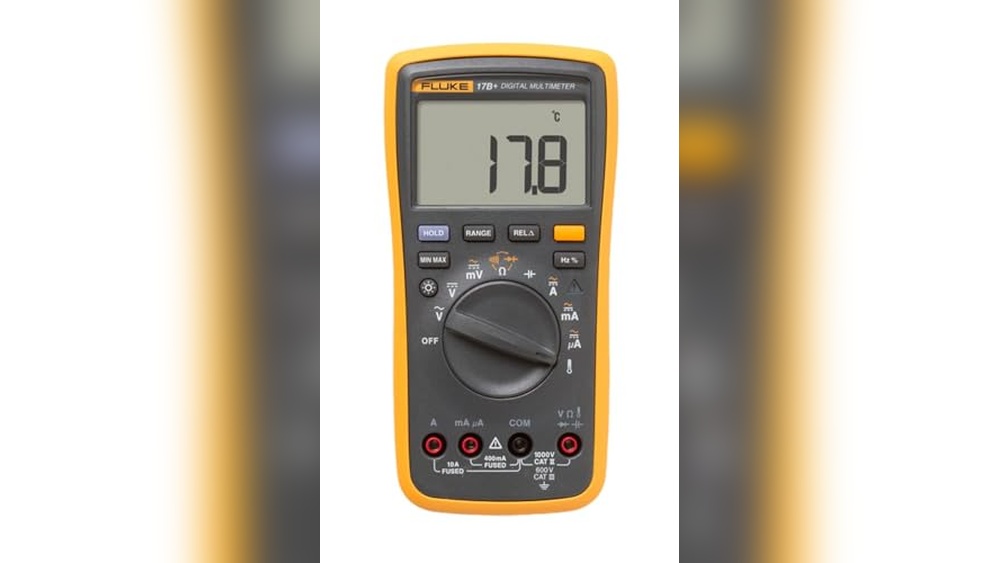
- Choose Fluke 17B+ if you need temperature measurement with a thermocouple included.
- Pick Fluke 115 when you want a compact and easy-to-handle multimeter for basic voltage and current checks.
- Opt for Fluke 17B+ when working in environments requiring CAT III 600V safety rating.
- Select Fluke 115 for straightforward AC/DC voltage and resistance measurements.
- Pick Fluke 17B+ if you require additional functions like capacitance and frequency testing.
Daily Use Experiences With Two Fluke Multimeters
The Fluke 115 is simple to use on the job site. It fits well in my hand and handles voltage and continuity checks quickly. Its straightforward interface helps me get readings without extra steps.
The Fluke 17B+ offers more measurement options, including temperature and capacitance. It feels solid and safe for tougher environments. This multimeter covers more scenarios when I need to test different components beyond basic voltage.
At A Glance: Fluke 115 For Basic Electrical Measurements

Where Fluke 115 Fits
- Routine voltage and current checks up to standard limits.
- Basic resistance and continuity testing for home or light commercial use.
- Users who prefer a straightforward and compact multimeter.
Where Fluke 115 Struggles
- Lacks temperature measurement capabilities.
- No capacitance or frequency testing functions.
- Lower safety rating compared to some industrial models.
At A Glance: Fluke 17b+ For Extended Measurement Needs
Where Fluke 17B+ Fits
- Tasks requiring temperature measurement with a type K thermocouple.
- Environments demanding CAT III 600V safety rating.
- Users needing capacitance, frequency, and diode testing options.
- Situations where a robust multimeter is preferred for industrial or commercial use.
Where Fluke 17B+ Struggles
- Heavier and slightly larger than simpler models.
- More complex for users needing only basic measurements.
Comparing Practical Features Of Fluke 115 Vs 17b+
When using these multimeters daily, I focused on how each handles common electrical tasks. I compared ease of use, measurement options, safety features, and portability. Both perform well but serve different needs depending on the user’s requirements.
Which Multimeter Offers Better Measurement Variety?
| Aspect | Fluke 17B+ | Fluke 115 |
|---|---|---|
| Voltage Measurement | AC/DC up to 1000V | AC/DC up to 600V |
| Current Measurement | Up to 10A | Up to 10A |
| Temperature Measurement | Included with thermocouple | Not available |
| Frequency & Capacitance | Yes | No |
Ratings: Fluke 17B+ – 8/10 | Fluke 115 – 6/10
Edge: Fluke 17B+ suits users needing broader measurement options.
How Do Safety Ratings Compare?
| Aspect | Fluke 17B+ | Fluke 115 |
|---|---|---|
| Safety Rating | CAT III 600V | CAT II 600V |
| Usage Environment | Residential, commercial, industrial | Residential and light commercial |
Ratings: Fluke 17B+ – 8/10 | Fluke 115 – 7/10
Edge: Fluke 17B+ is better for work requiring higher safety standards.
Which Device Is Easier to Handle Daily?
| Aspect | Fluke 115 | Fluke 17B+ |
|---|---|---|
| Weight | Lighter | Heavier |
| Size | Compact | Larger |
| User Interface | Simple | More functions, slightly complex |
Ratings: Fluke 115 – 8/10 | Fluke 17B+ – 7/10
Edge: Fluke 115 fits users valuing simplicity and portability.
How Does Price Affect Choice?
| Aspect | Fluke 115 | Fluke 17B+ |
|---|---|---|
| Price | Moderate | Higher |
| Value for Features | Good for basics | Better for advanced use |
Ratings: Fluke 115 – 7/10 | Fluke 17B+ – 7/10
Edge: Fluke 115 is more budget-friendly for basic tasks.
Long-term Use And Reliability Of Fluke Multimeters
Both multimeters offer consistent performance once you are familiar with their functions. The Fluke 115 has a short learning curve due to its simpler layout, which helps users quickly get reliable readings. The 17B+ may take some time to master because of its additional features but offers more versatility.
Trust in these devices comes from their build quality and safety certifications. They provide peace of mind during daily electrical work. Choosing either multimeter means investing in a tool that will serve well over time with regular use.
Deciding Between Fluke 115 And 17b+ For Your Electrical Work
Choose the Fluke 115 if you need a straightforward, lightweight multimeter for standard electrical measurements. It works well for general purpose use and is easy to handle for quick checks.
The Fluke 17B+ is better suited for users who require more measurement functions, such as temperature and capacitance, and need a higher safety rating. It is ideal for more demanding environments and varied applications.
Both multimeters are reliable tools; your choice depends on the scope of your electrical tasks.
Common Questions About Fluke 115 Vs 17b+ Multimeters
Can Fluke 115 measure temperature?
No, the Fluke 115 does not have temperature measurement capabilities. For temperature testing, the Fluke 17B+ is required as it includes a thermocouple.
Which multimeter is safer for industrial environments?
The Fluke 17B+ has a CAT III 600V safety rating, making it more suitable for industrial and commercial settings compared to the Fluke 115.
Is the Fluke 17B+ more difficult to use than the Fluke 115?
The 17B+ has more features, so it may take longer to learn. The Fluke 115 offers a simpler user interface that is easier for quick tasks.
Do both multimeters measure current up to 10A?
Yes, both the Fluke 115 and 17B+ can measure current up to 10 amps.
Which multimeter is better for basic home electrical work?
The Fluke 115 is well suited for basic home electrical work due to its simplicity and essential measurement functions.
Can I use the Fluke 17B+ for capacitance testing?
Yes, the Fluke 17B+ supports capacitance measurements, unlike the Fluke 115.
Are these multimeters portable for field use?
Both are portable, but the Fluke 115 is lighter and more compact, making it easier to carry around for field tasks.

I’m Asif Ur Rahman Adib, an Electrical Engineer and lecturer. My journey began in the lab, watching students struggle with instruments they used every day without fully understanding them. Over time, I’ve combined teaching, research, and hands-on experience to help others grasp electrical concepts clearly, safely, and practically—whether it’s understanding a circuit or mastering a multimeter.